Grains
Alfalfa
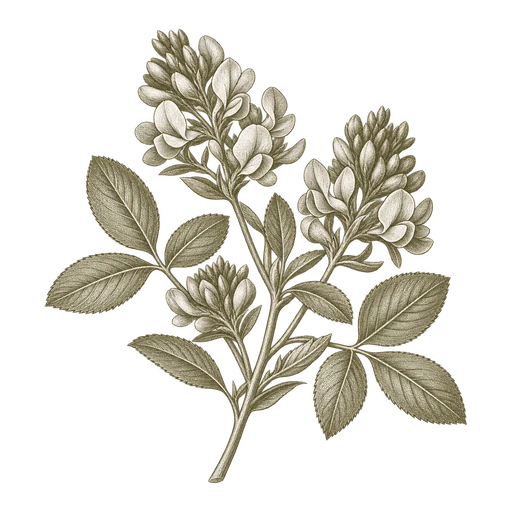
Alfalfa is a forage legume sourced as hay, silage, meal or pellets for livestock feed. Match the form to receiving and ration needs, then compare a lot-specific analysis on a consistent basis.
Explore ingredientA practical receiving and storage guide for bulk citrus pulp pellets, covering equipment compatibility, density-based capacity planning, moisture protection and the facility details to share before delivery.
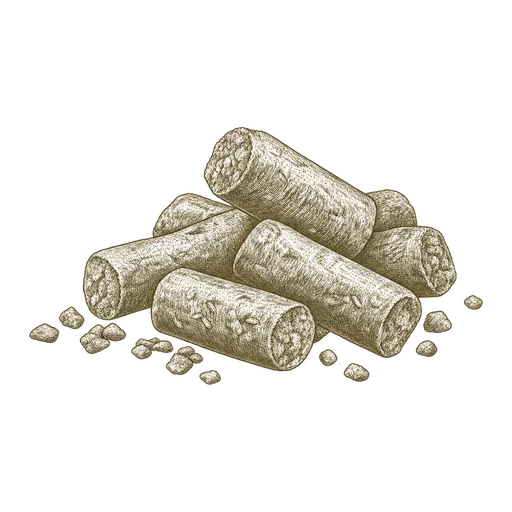
Citrus pulp pellets are a dried citrus-processing co-product formed into pellets for use as an ingredient, including in feed. Before arranging a bulk delivery, map how the product will move from the receiving point into storage and then to the place it is used. The pellet form is central to that plan: your equipment must be able to receive and convey the offered pellets without relying on assumptions about a different product form.
Start with the path through your facility: receiving connection or dump point, conveyor or other transfer equipment, storage bin, and discharge to the next operation. Confirm that each part can handle the product as offered. Equipment compatibility depends on your setup and the shipment arrangement, so describe your actual receiving system when requesting a quote rather than presuming a particular delivery mode.
Pellet appearance alone does not tell you how much space an order will occupy. Bulk density—the mass of product in a given volume—affects the space needed in storage and the amount your receiving system can accommodate at one time. Do not calculate a bin fill or receiving capacity using a generic value for citrus pulp pellets: obtain the value for the offered product, if available, and use it alongside the quantity and units in the proposed order.
Check both total storage capacity and usable capacity. A bin can have a nominal volume that is not fully available because of its shape, existing contents, operating limits or the need to leave headroom. Also compare the expected delivery quantity with the capacity available when it arrives. These checks help identify a mismatch before shipment planning is finalized.
The receiving method must match the facility, not just the ingredient. Identify the equipment that can unload the planned shipment, the connection or access points it needs, and any restrictions on vehicle access, operating hours or unloading time. If your site cannot receive the shipment as proposed, the issue is harder to solve after dispatch than during order planning.
Give the supplier or broker the delivery destination and a clear description of your unloading arrangement. Ask what packaging and delivery configuration is being offered, then compare it with your equipment and staffing. Do not assume bulk density, packaging, shipment mode, load quantity or unloading arrangement; these details determine whether the product can be received safely and stored without disrupting other operations.
Moisture protection is a practical priority for a dried, pelleted ingredient. Keep the storage area and transfer route protected from rain, leaks and standing water, and avoid introducing wet residue from equipment or bins. Moisture can compromise the condition and flow of dry pellets, so inspect receiving and storage areas for exposure points before the product arrives.
Use clean, suitable storage and handling equipment, and keep the product protected from contamination during transfer. Check the offered lot’s handling directions rather than applying an assumed storage-life or temperature limit. On receipt, review the product’s visible condition and note any moisture exposure, unusual breakage or other discrepancy promptly; compare concerns with the lot information and agreed product description.
A useful sourcing request connects the product to the realities of your site. Specify that you need citrus pulp pellets, the requested quantity and unit, destination, desired timing, and how the facility receives and stores the ingredient. Include relevant quality requirements and ask what product information is available for the offered lot, including bulk density where it is needed for capacity planning.
Before finalizing, reconcile the expected quantity with available storage and receiving capacity, verify that the proposed packaging or delivery arrangement works with your equipment, and agree how product condition will be assessed on arrival. When your facility details are ready, visit the Citrus Pulp Pellets page to begin a sourcing request. Commercial terms and lot-specific details depend on the offer.
Bulk density helps translate an order’s mass into the storage volume it may occupy. Ask for the value for the offered product when sizing storage or checking receiving capacity; do not assume a generic value.
Share the destination, receiving equipment and connection or access constraints, available storage capacity, and preferred timing. Also ask what packaging and delivery arrangement is offered so you can check compatibility before dispatch.
Keep them in clean, suitable storage protected from rain, leaks and other moisture exposure. Follow the handling directions supplied for the specific lot; do not assume a storage-life or temperature limit.
Focused guides to the specification, application, and delivery questions behind this ingredient.
Citrus pulp pellets contribute energy through digestible fiber and non-fiber carbohydrates, offering a different profile from primarily starch-based ingredients. Their role in a beef-cattle ration depends on the product analysis, the full diet, and the animal group.
Read this InsightCompare citrus pulp pellets on a consistent analysis basis. Understand how moisture affects as-fed and dry-matter values, and what to review across the nutrient panel before using figures in a ration.
Read this InsightAlfalfa is a forage legume sourced as hay, silage, meal or pellets for livestock feed. Match the form to receiving and ration needs, then compare a lot-specific analysis on a consistent basis.
Explore ingredientAlfalfa meal is ground forage used in animal feed, with sun-cured and dehydrated processing routes and meal or pellet forms. Compare the offered process, physical form and analysis against the needs of the species and feed formulation.
Explore ingredientAlfalfa pellets are ground, compressed forage used in livestock feeding and compound feeds. Compare the drying process, alfalfa material, forage analysis and pellet characteristics to choose a form that fits your ration and receiving setup.
Explore ingredientBeet pulp pellets are a dried, compacted sugar beet co-product used as a fibrous, energy-bearing ingredient in livestock feed. Compare molasses status, lot analysis and pellet handling needs to match the product to your ration and receiving setup.
Explore ingredient