Grains
Alfalfa
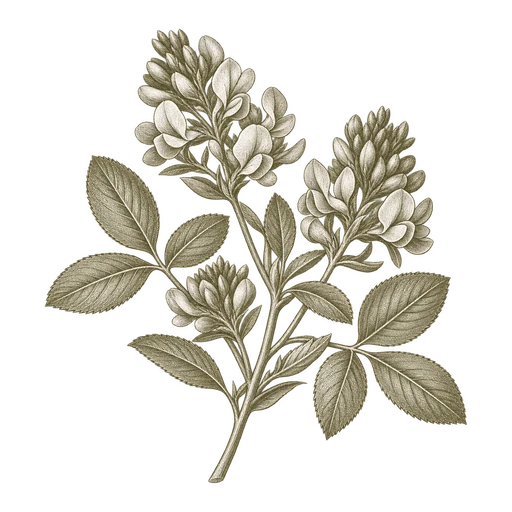
Alfalfa is a forage legume sourced as hay, silage, meal or pellets for livestock feed. Match the form to receiving and ration needs, then compare a lot-specific analysis on a consistent basis.
Explore ingredientCitrus pulp pellets contribute energy through digestible fiber and non-fiber carbohydrates, offering a different profile from primarily starch-based ingredients. Their role in a beef-cattle ration depends on the product analysis, the full diet, and the animal group.
Citrus pulp pellets can contribute energy to a beef-cattle ration through digestible fiber and non-fiber carbohydrates, rather than relying primarily on starch as many cereal grains do. Citrus pulp includes readily fermentable carbohydrates such as sugars and pectin, along with fiber. The precise contribution depends on the product’s composition, so the ingredient name alone is not enough to formulate with it.
That distinction matters because cattle diets are formulated around how the whole ration supplies energy and supports rumen function—not simply around a feed ingredient’s label or a single carbohydrate figure. Citrus pulp is not a direct, one-for-one substitute for a starch-based ingredient. The nutritionist needs to compare the ingredients’ analyzed nutrients and consider how each fits with the forage and other concentrates in the diet.
Rumen microbes ferment both starch and digestible fiber, but those carbohydrate sources do not behave identically. Grain starch can ferment rapidly, depending on the grain and how it is processed. Citrus pulp’s pectin and other fermentable carbohydrates offer a different energy source, while its fiber profile also distinguishes it from a grain-centered ingredient. These differences can affect ration design, but they do not establish a feeding result on their own.
Forage type and amount, other concentrates, and the diet’s overall nutrient balance all influence the role citrus pulp can play. A nutritionist should also consider the ration’s effective fiber and the physical characteristics of its forage; pelleted citrus pulp does not take the place of long forage material. Any formulation guidance should be evaluated for the particular diet and cattle group, rather than applied as a general rule.
A ration for growing or finishing cattle may have different energy and nutrient objectives from one for cows in another stage of production. Intake, forage base, management, and the rest of the feed program also matter. As a result, whether citrus pulp is useful—and what it might replace—depends on the animals and diet being evaluated.
The practical question is not simply whether citrus pulp has energy. It is whether its analyzed composition supplies the nutrients the target group needs, in a form that fits the complete ration. A nutritionist can use that comparison to assess the ingredient alongside the existing energy sources, forage, protein sources, and minerals.
Request an analysis that identifies the product and reports moisture or dry matter, crude protein, fiber measures, and the carbohydrate information relevant to the formulation. Depending on the analysis and the ration question, that may include neutral detergent fiber, acid detergent fiber, sugars, starch, and non-fiber carbohydrates. Fat and ash can also help describe the ingredient’s overall composition.
Ask whether results are reported on an as-fed or dry-matter basis. That distinction is essential when comparing feeds with different moisture levels or entering values into formulation software. The nutritionist should review the laboratory methods and how calculated values, including non-fiber carbohydrates, were derived; the same nutrient label can be calculated differently across analyses.
A useful evaluation compares the citrus pulp results with the other ingredients’ analyses and the ration’s nutrient targets. A product analysis is a tool for formulation, not a recommendation for a particular inclusion rate. The appropriate interpretation depends on the cattle, forage, and complete diet.
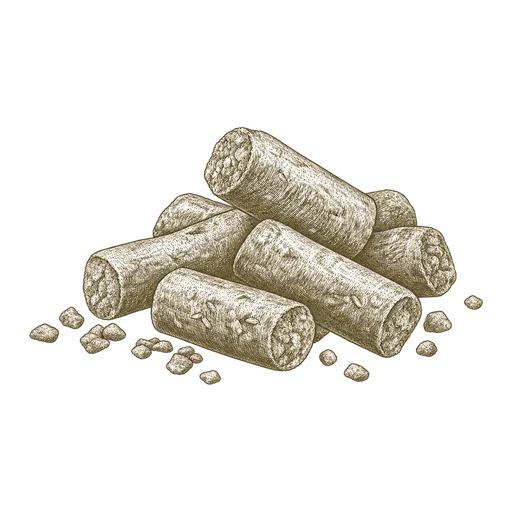
Pelleting gives citrus pulp a compact physical form that can be handled as a feed ingredient, but physical form does not replace nutrient evaluation. Before planning a ration change, establish which product and analysis are being considered, then have a qualified nutritionist assess its nutrient contribution and role in the full diet.
For an ingredient to evaluate, visit the Citrus Pulp Pellets page. Exact analysis and commercial terms depend on the product offered; share the intended cattle group, current ration context, and the analysis needed for the formulation when discussing a bulk order.
Not as a universal one-for-one substitution. Citrus pulp and starch-based grain differ in carbohydrate composition and fermentation characteristics. A nutritionist should compare their analyses and evaluate the change in the context of the cattle group, forage, and complete ration.
Request product identification and nutrient results relevant to the formulation, including moisture or dry matter, crude protein, fiber measures, and carbohydrate information such as sugars, starch, and non-fiber carbohydrates where available. Clarify whether values are as-fed or on a dry-matter basis and how calculated values were derived.
No. Their digestible fiber and fermentable carbohydrates do not make pelleted citrus pulp equivalent to long forage. The ration still needs to be evaluated for its forage and effective-fiber contribution, alongside its overall nutrient balance.
Focused guides to the specification, application, and delivery questions behind this ingredient.
A practical receiving and storage guide for bulk citrus pulp pellets, covering equipment compatibility, density-based capacity planning, moisture protection and the facility details to share before delivery.
Read this InsightCompare citrus pulp pellets on a consistent analysis basis. Understand how moisture affects as-fed and dry-matter values, and what to review across the nutrient panel before using figures in a ration.
Read this InsightAlfalfa is a forage legume sourced as hay, silage, meal or pellets for livestock feed. Match the form to receiving and ration needs, then compare a lot-specific analysis on a consistent basis.
Explore ingredientAlfalfa meal is ground forage used in animal feed, with sun-cured and dehydrated processing routes and meal or pellet forms. Compare the offered process, physical form and analysis against the needs of the species and feed formulation.
Explore ingredientAlfalfa pellets are ground, compressed forage used in livestock feeding and compound feeds. Compare the drying process, alfalfa material, forage analysis and pellet characteristics to choose a form that fits your ration and receiving setup.
Explore ingredientBeet pulp pellets are a dried, compacted sugar beet co-product used as a fibrous, energy-bearing ingredient in livestock feed. Compare molasses status, lot analysis and pellet handling needs to match the product to your ration and receiving setup.
Explore ingredient