Energy from fiber and carbohydrates
Citrus pulp contributes energy through digestible fiber and non-fiber carbohydrates. That profile differs from a starch-centered energy source, so its role should be evaluated within the complete ration.
Ingredient intelligence · quote-ready sourcing
Also searched as Citrus pulp, Dried citrus pulp
Citrus pulp pellets are a dried citrus-processing by-product used chiefly as an energy ingredient in ruminant feed. Compare pellet handling, current lot analysis and nutrient reporting basis with your ration and receiving requirements.
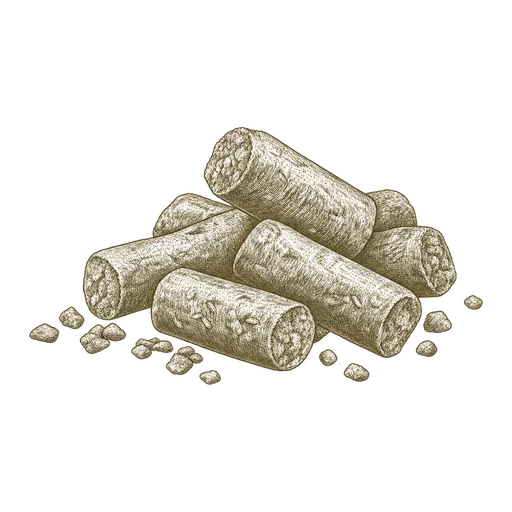
Citrus pulp is made from peel, pulp and seed residues left after citrus processing. The dried product is typically shredded, limed, pressed and dried; pelleting compacts it into a form that facilitates transport.
Citrus pulp pellets are an animal-feed ingredient used chiefly in ruminant diets. Their energy contribution includes digestible fiber and non-fiber carbohydrates, while their generally low protein content makes the full nutrient analysis important to ration formulation.
Citrus pulp contributes energy through digestible fiber and non-fiber carbohydrates. That profile differs from a starch-centered energy source, so its role should be evaluated within the complete ration.
Pelleting compacts dried pulp and increases bulk density compared with loose material. The physical form affects how the product is transported, unloaded and stored.
Moisture, energy, fiber, protein and mineral values help determine how the ingredient fits a ration. Results reported as-fed and on a dry-matter basis are not directly interchangeable.
| Characteristic | Why it matters |
|---|---|
| Moisture and reporting basis | Moisture affects interpretation of nutrient values; distinguish as-fed results from dry-matter results. |
| Energy and fiber | These help a nutritionist assess the pellet’s contribution to a ruminant ration. |
| Crude protein | Useful for balancing the ration, since citrus pulp is generally low in protein. |
| Calcium and phosphorus | These mineral values inform the balance of the complete diet. |
| Pellet form and bulk density | Physical characteristics affect storage, unloading and receiving plans. |
Composition varies. Use the current product specification and lot analysis for the offered material; reference values are not guaranteed lot specifications.
Dried citrus pulp is used as an energy supplement in beef-cattle feeding. Its digestible fiber and non-fiber carbohydrates distinguish it from ingredients whose energy contribution comes primarily from starch. The right role and amount depend on the complete ration, animal group and offered analysis; a nutritionist should determine inclusion for the specific feeding program.
Citrus-pulp products are also considered in dairy-cattle ration formulation, but results depend on the product and the rest of the diet. Avoid assuming the pellets can replace grain or deliver a particular production result. Compare their analysis with the ration’s energy, fiber and mineral requirements.
Pelleting increases bulk density compared with loose citrus pulp and helps with transport. It also gives buyers a distinct physical form to account for at the receiving facility: the order should match the unloading equipment and storage arrangement available. Actual bulk density and flow behavior can vary, so they are relevant details to establish for the offered product.
Keep the product dry during storage and handling. Darkening toward black can indicate overheating, making unusual color a reason to investigate product condition rather than treat it as a routine appearance difference. Use the handling guidance for the actual product and protect stored feed from moisture and contamination.
Specify citrus pulp pellets, required quantity and unit, destination and requested timing. Include the receiving method and any constraints on unloading or storage so the shipment can be evaluated against the facility’s setup.
State the quality measures your formulation or purchasing program requires, including analytical basis and any relevant testing. Delivered pricing depends on the offered product, quantity, destination, timing and freight; those terms are established for the specific inquiry.
Dried citrus pulp is used as an energy supplement in beef-cattle diets. Its digestible fiber and non-fiber carbohydrates give it a different profile from a primarily starch-based energy ingredient. A nutritionist should determine its role and amount for the animal group and complete ration.
Citrus-pulp products can be considered during dairy ration formulation, but their contribution depends on the specific product analysis and the rest of the diet. Compare energy, fiber and mineral values rather than assuming the pellets replace grain or produce a particular performance result.
For other ruminant feeding programs, assess the pellet’s composition and intended role with a qualified nutritionist. The evidence here does not establish suitability for other animal categories or a universal inclusion rate.
Identify citrus pulp pellets, the required quantity and unit, destination and requested timing. Include the quality measures and analytical basis needed for the ration so the offered product can be evaluated against the intended use.
Describe the facility’s unloading equipment, access and storage arrangement. Pellets are denser than loose citrus pulp, so physical form and actual bulk density matter when planning receiving capacity; establish those details for the offered product.
Keep the pellets dry during handling and storage, and protect them from contamination. Darkening toward black can indicate overheating, so product appearance and condition should be considered alongside the applicable handling guidance.
Alfalfa is a forage legume sourced as hay, silage, meal or pellets for livestock feed. Match the form to receiving and ration needs, then compare a lot-specific analysis on a consistent basis.
Explore ingredientAlfalfa meal is ground forage used in animal feed, with sun-cured and dehydrated processing routes and meal or pellet forms. Compare the offered process, physical form and analysis against the needs of the species and feed formulation.
Explore ingredientAlfalfa pellets are ground, compressed forage used in livestock feeding and compound feeds. Compare the drying process, alfalfa material, forage analysis and pellet characteristics to choose a form that fits your ration and receiving setup.
Explore ingredientBeet pulp pellets are a dried, compacted sugar beet co-product used as a fibrous, energy-bearing ingredient in livestock feed. Compare molasses status, lot analysis and pellet handling needs to match the product to your ration and receiving setup.
Explore ingredientThey are used chiefly as an energy feed ingredient in ruminant diets, especially beef-cattle feeding. A nutritionist should assess their role and amount alongside the full ration and the offered product analysis.
Moisture, crude protein, fiber, energy, calcium and phosphorus can all matter to ration formulation. Check whether the reported values are as-fed or on a dry-matter basis, and compare a current lot analysis with the specification.
The offered product, order quantity, destination, timing and freight affect delivered pricing. Include the receiving method and quality requirements in the request so the quote can address the actual order.
Send your volume, destination, and key specifications. A broker can follow up with availability and commercial terms.