Ruminant feed is a broad collection spanning processed co-products and fresh produce, not a single standardized feed class. Almond Hulls, Apple Pomace, Citrus Pulp Pellets and Soy Hull Pellets differ in form and processing, while Lettuce, Pears and Pomegranate do not by name alone specify a feed form. Compare exact material identity, moisture and lot analysis before evaluating an ingredient as part of a ruminant ration; membership in this collection does not establish suitability for every diet.
Almond hulls are the dried outer layer of the almond fruit, sourced for ruminant feed as hull-only material or as a hull-and-shell mixture. Compare the lot’s composition, physical form, and handling needs before arranging a bulk shipment.
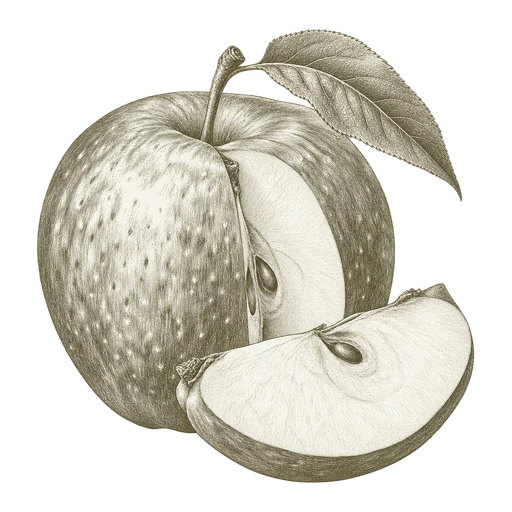
Apple pomace is an apple-pressing residue used in ruminant feed. Wet, dried and ensiled forms differ in moisture and preservation, so compare the actual form and lot analysis when assessing its role in a ration and planning bulk handling.
Citrus pulp pellets are a dried citrus-processing by-product used chiefly as an energy ingredient in ruminant feed. Compare pellet handling, current lot analysis and nutrient reporting basis with your ration and receiving requirements.
Lettuce is sourced as fresh heads or leaves, cut product, processing residue or dried waste. The type and form determine its food or potential by-product use, the quality details to compare and the handling needed for a bulk order.
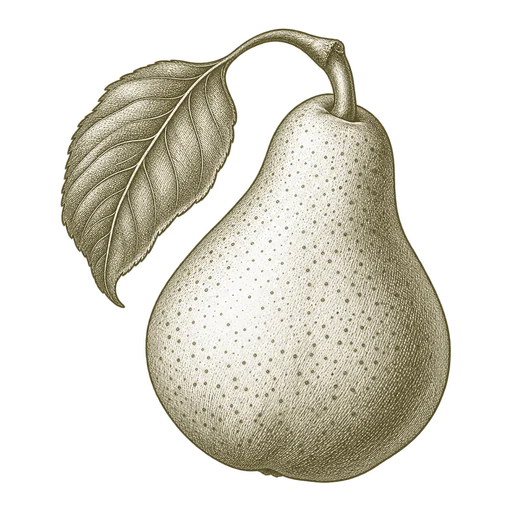
Pears are sourced as whole fresh fruit and as distinct processing products such as pulp, pomace and silage. Identify the form and intended use first: fresh-fruit maturity and handling requirements differ from feed-by-product analysis, receiving and storage needs.
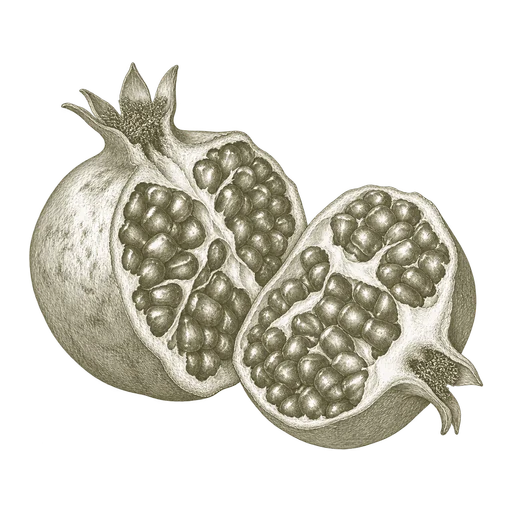
Pomegranate feed by-products can be fresh, dried or ensiled, with composition shaped by the fruit parts and processing. Identify the exact material and compare its moisture basis and analysis before evaluating it for a ruminant ration.
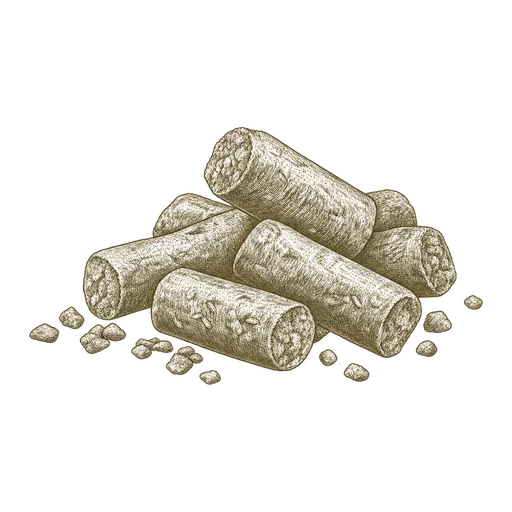
Soy hull pellets are a pelleted, fiber-rich soybean co-product used in ruminant feed programs. Compare the offered lot analysis, any pellet additions, and physical handling characteristics to match the product to the ration and receiving setup.
This collection brings together processed co-products and fresh produce, not one standardized feed class. Almond Hulls, Apple Pomace, Citrus Pulp Pellets and Soy Hull Pellets differ in processing and physical form; Lettuce, Pears and Pomegranate identify produce but do not specify whether a lot is whole, culled, pulped or otherwise processed. The tag does not mean every ingredient is suitable for every ruminant or as a complete ration.
Compare form and nutrients on a common basis
Moisture changes how much dry matter—and therefore how much nutrient—is supplied by an as-fed load. This is especially important when comparing fresh produce or wet pomace with dried or pelleted materials. Request the exact material description, form and recent lot analysis, then compare nutrient results on a dry-matter basis. Do not treat research on a specific fruit residue as a specification for unspecified whole fruit or another processed form.
Check fit, handling and delivered value
Processing can affect handling: pelleting increases the bulk density of soy hulls, while wet apple pomace is perishable and is commonly preserved by ensiling or drying. Almond hull offers also need a clear description of whether shell is present, since hull-shell mixtures are not equivalent to hull-only material. Evaluate ingredients as potential ration components, not automatic replacements for forage, grain or a balanced diet. Confirm species, production stage, storage needs and ration fit with a qualified ruminant nutritionist.
Common questions.
Why compare fresh produce and wet by-products on a dry-matter basis?+
Their water content can make equal as-fed weights supply different amounts of dry matter. A dry-matter comparison helps distinguish nutrient value from water weight.
What should I clarify about a bulk ingredient before comparing offers?+
Confirm the exact material and processing, its delivery form and moisture or dry matter, and request a recent lot-specific analysis. For almond hulls, establish whether the material includes shell.
Can an ingredient in this collection replace forage or a complete ration?+
The tag does not establish a universal substitution or feeding rate. Assess any ingredient within the full ration for the relevant species and production stage with a qualified ruminant nutritionist.
What should I consider when buying wet apple pomace?+
Confirm moisture, delivery form, storage or preservation plan, and the period in which it will be used. Fresh pomace is perishable and is commonly preserved by ensiling or drying.
Ruminant feed · BUYER INSIGHTS
Go deeper before you source.
Focused guides to the specification, application, and delivery questions behind this ingredient.