Grains
Alfalfa
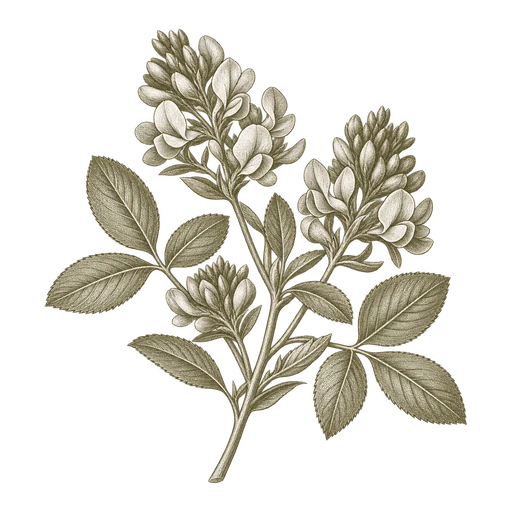
Alfalfa is a forage legume sourced as hay, silage, meal or pellets for livestock feed. Match the form to receiving and ration needs, then compare a lot-specific analysis on a consistent basis.
Explore ingredientCompare citrus pulp pellets on a consistent analysis basis. Understand how moisture affects as-fed and dry-matter values, and what to review across the nutrient panel before using figures in a ration.
An analysis for citrus pulp pellets can report nutrients on an as-fed basis or a dry-matter basis. These are different ways of expressing the same material: as-fed values describe the product as it is received, including its moisture, while dry-matter values exclude water. Comparing figures without checking the basis can make two analyses look different even when the underlying dry material is similar.
Moisture changes the amount of dry ingredient represented by a given weight of product. For ration calculations, this matters because the animal consumes the product as delivered, but nutritionists often compare ingredients on a dry-matter basis. Keep the basis consistent when comparing offers or entering values into a formulation.
To convert an as-fed nutrient value to a dry-matter value, divide the as-fed value by the dry-matter fraction. The dry-matter fraction is the portion of the product remaining after accounting for moisture. To convert a dry-matter value to an as-fed value, multiply by that fraction. Use moisture and nutrient results from the same analysis whenever possible.
For example, if an analysis reports a nutrient percentage as-fed alongside moisture, calculate the dry-matter fraction from that moisture result before converting. The reverse conversion is useful when a ration system expects values as-fed. Keep units and reporting conventions aligned, and avoid comparing one lot’s as-fed result directly with another lot’s dry-matter result.
Moisture is essential context for interpreting the rest of the panel. It affects how much dry matter is supplied per unit of delivered weight, so it can also affect the apparent concentration of other nutrients on an as-fed basis. It is not a substitute for the nutrient results themselves.
Crude protein helps characterize the ingredient’s protein contribution in a ration, but it should be read with the rest of the formulation in view. Fiber results need particular care: identify the exact measure reported rather than treating every value labeled “fiber” as interchangeable. Different fiber measures describe different aspects of the feed and should only be compared on the same basis and using the same method or definition.
Energy values are useful only when the reported energy measure and basis match the nutritionist’s comparison. Do not assume that energy figures from different analyses are directly comparable just because they share a general label. Calcium and phosphorus also matter to ration balance; compare each value on a consistent basis and use the analysis that applies to the specific product being considered.
A product specification describes the quality parameters used to define or evaluate the product. A lot analysis reports results for a particular lot. Review both when available: the specification clarifies which measures matter, while the lot analysis gives the measured values to use for that material. A reference value is not a guarantee that every shipment will match it.
For a meaningful comparison, note the analysis date or lot identification, the moisture result, the nutrient reporting basis, and the exact names of the fiber and energy measures. If a value is missing, reported on an unclear basis, or inconsistent with the formulation system, resolve that difference before using it in a ration. A nutritionist can determine which values and methods are appropriate for the intended ration.
Start by putting moisture and nutrient values on one consistent basis. Then compare the same measures across the analyses: crude protein with crude protein, the same fiber measure with itself, and energy values that use compatible definitions. Include calcium and phosphorus in the comparison when they are relevant to the ration. This approach separates genuine differences in the material from differences caused by moisture or reporting format.
Once you have defined the analysis you need, review the Citrus Pulp Pellets page to explore sourcing. For a specific order, the applicable product specification and lot analysis—not a general reference value—should guide the comparison.
As-fed analysis expresses nutrients in the product as received, including moisture. Dry-matter analysis removes the contribution of water so nutrient concentrations can be compared on the material’s dry portion. Check the basis before comparing values or entering them into a ration.
Moisture changes how much dry matter is present in a given weight of delivered product. It therefore affects as-fed nutrient concentrations and the dry matter supplied per unit of product. Use the moisture result that corresponds to the analysis you are converting.
Review moisture, crude protein, the exact fiber measure, energy, calcium, and phosphorus when they are relevant to the ration. Compare like measures on the same reporting basis, and make sure energy definitions are compatible. Check figures against the specific product specification and lot analysis.
Focused guides to the specification, application, and delivery questions behind this ingredient.
A practical receiving and storage guide for bulk citrus pulp pellets, covering equipment compatibility, density-based capacity planning, moisture protection and the facility details to share before delivery.
Read this InsightCitrus pulp pellets contribute energy through digestible fiber and non-fiber carbohydrates, offering a different profile from primarily starch-based ingredients. Their role in a beef-cattle ration depends on the product analysis, the full diet, and the animal group.
Read this InsightAlfalfa is a forage legume sourced as hay, silage, meal or pellets for livestock feed. Match the form to receiving and ration needs, then compare a lot-specific analysis on a consistent basis.
Explore ingredientAlfalfa meal is ground forage used in animal feed, with sun-cured and dehydrated processing routes and meal or pellet forms. Compare the offered process, physical form and analysis against the needs of the species and feed formulation.
Explore ingredientAlfalfa pellets are ground, compressed forage used in livestock feeding and compound feeds. Compare the drying process, alfalfa material, forage analysis and pellet characteristics to choose a form that fits your ration and receiving setup.
Explore ingredientBeet pulp pellets are a dried, compacted sugar beet co-product used as a fibrous, energy-bearing ingredient in livestock feed. Compare molasses status, lot analysis and pellet handling needs to match the product to your ration and receiving setup.
Explore ingredient