Grains
Alfalfa
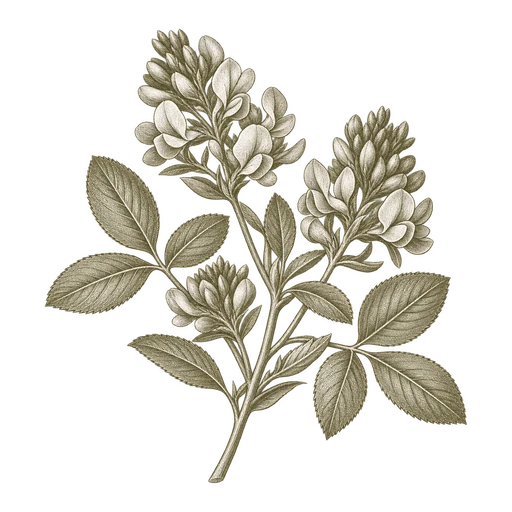
Alfalfa is a forage legume sourced as hay, silage, meal or pellets for livestock feed. Match the form to receiving and ration needs, then compare a lot-specific analysis on a consistent basis.
Explore ingredientA practical guide to discussing beet pulp pellets with an equine nutritionist, including their fiber and energy role, partial forage substitution, and calcium-phosphorus balance.
Beet pulp is the fibrous material left after sugar is extracted from sugar beets. In horse rations, it is used as a source of digestible fiber and energy. That can make it a useful ingredient to discuss when building a ration around a horse’s forage and other feeds—but it is not nutritionally identical to hay.
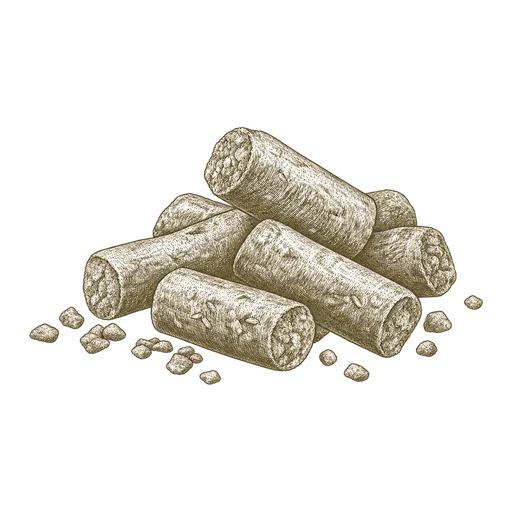
Pellets are a compact, processed form of beet pulp. Their shape can make them easier to handle and mix than loose material, but pellet form alone does not tell you the nutrient composition. Analysis can differ between products, so base ration calculations on information for the product being considered rather than a general description of beet pulp.
Beet pulp can contribute fiber while also supplying energy. Its role therefore depends on what the horse already eats and what the ration needs to provide. A nutritionist can compare its contribution with the horse’s hay or pasture, concentrates, and supplements, then decide whether it fits the intended feeding plan.
In some ration plans, beet pulp may replace part of the hay or other forage. Treat this as a partial substitution to evaluate, not as a one-for-one exchange: beet pulp does not provide the same long-stem structure as hay. The change may affect the physical character of the ration as well as its nutrient totals. The horse’s forage intake, chewing needs, condition, workload, and the rest of the diet all matter to that decision.
Beet pulp is relatively high in calcium, so adding it can change the ration’s mineral balance. Calcium should be considered alongside phosphorus—not judged in isolation—because the amounts supplied by the complete diet determine the overall balance.
Before making a substitution or adding beet pulp, include its calcium and phosphorus analysis in the same review as the hay, other feeds, and mineral supplements. A product’s ingredient name is not enough to establish its mineral contribution. If the analysis does not provide the values needed for the calculation, ask the supplier for product-specific information and have a qualified equine nutritionist assess the complete ration.
Start with the purpose for including beet pulp: adding a fiber and energy source, changing part of the forage component, or adjusting another part of the ration. That purpose helps a nutritionist determine which analytical measures are needed and whether the product fits the horse’s overall feeding plan.
Compare the product’s composition information for the measures relevant to that plan, including fiber, energy, calcium, and phosphorus where available. If molasses status matters to your formulation or feeding preferences, establish that separately rather than assuming all beet pulp pellets are the same. Also distinguish nutritional specifications from physical form: pellet dimensions or handling characteristics do not substitute for a nutrient analysis.
For bulk sourcing, communicate the intended use and the analysis or product details your nutritionist needs. Ask for the information tied to the product being offered, since a published or typical profile may not describe every lot. See the [Beet Pulp Pellets ingredient page](/ingredients/beet-pulp-pellets) for sourcing details.
The practical question is not simply whether beet pulp is a source of fiber. It is whether its fiber, energy, and mineral contribution fit the horse’s existing forage and feed program. A nutritionist can use product-specific composition to assess that fit and determine whether any other ration components need adjustment.
Avoid applying a universal feeding amount: requirements and the surrounding diet differ, and pellet products do not all have the same analysis. Keep the forage plan, all feed and supplement labels, and the beet pulp product information together for the review. That gives the nutritionist a clearer basis for deciding how the ingredient can be used and monitoring the resulting ration.
They may replace part of the forage in some ration plans, but they are not equivalent to hay and do not provide the same long-stem structure. Have a nutritionist assess the amount and the effect on the complete feeding plan.
Beet pulp is relatively high in calcium, so including it can affect the ration’s mineral balance. Review its product-specific calcium and phosphorus information alongside the rest of the diet, including supplements.
No. Pellet form does not establish a uniform nutrient profile. Use product-specific composition information for ration calculations, and confirm molasses status separately if it matters to the feeding plan.
Focused guides to the specification, application, and delivery questions behind this ingredient.
Prepare to receive bulk beet pulp pellets by matching the shipment format to your unloading equipment and storage setup. Agree on pellet-condition expectations, protect the product from moisture and contamination, and give suppliers the receiving details needed to discuss a workable order.
Read this InsightCompare beet pulp pellet offers by molasses status and lot-specific analysis. Moisture or dry matter, protein, fiber fractions, energy estimates and minerals are useful only when their basis and context are clear.
Read this InsightAlfalfa is a forage legume sourced as hay, silage, meal or pellets for livestock feed. Match the form to receiving and ration needs, then compare a lot-specific analysis on a consistent basis.
Explore ingredientAlfalfa meal is ground forage used in animal feed, with sun-cured and dehydrated processing routes and meal or pellet forms. Compare the offered process, physical form and analysis against the needs of the species and feed formulation.
Explore ingredientAlfalfa pellets are ground, compressed forage used in livestock feeding and compound feeds. Compare the drying process, alfalfa material, forage analysis and pellet characteristics to choose a form that fits your ration and receiving setup.
Explore ingredientApple pomace is an apple-pressing residue used in ruminant feed. Wet, dried and ensiled forms differ in moisture and preservation, so compare the actual form and lot analysis when assessing its role in a ration and planning bulk handling.
Explore ingredient