Independent sourcing. Better connections.Commercial buyers · Bulk ingredients
tag

Pellets

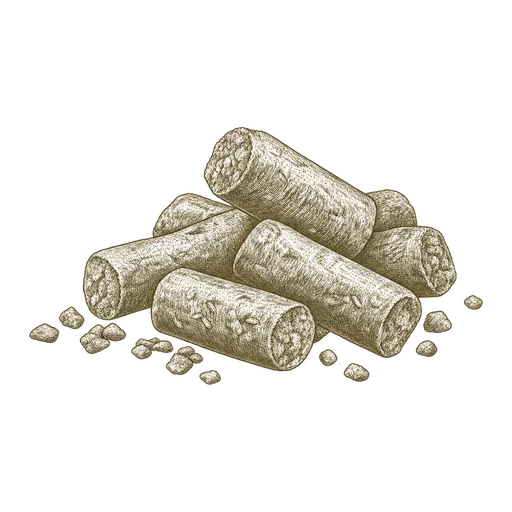
Pellets are a product form, not a nutritional category. This collection includes beet pulp pellets and tapioca pellets, which differ in source and formulation role. Buyers should verify ingredient identity, lot analysis and physical characteristics rather than infer suitability from pellet form.

2 ingredients6 published Insights
EXPLORE THE COLLECTION

Pellets ingredients

Starches/Fibers/Proteins

Beet Pulp Pellets

Beet pulp pellets are a dried, compacted sugar beet co-product used as a fibrous, energy-bearing ingredient in livestock feed. Compare molasses status, lot analysis and pellet handling needs to match the product to your ration and receiving setup.

Explore ingredient
Starches/Fibers/Proteins

Tapioca Pellets

Tapioca pellets are a dried cassava-root feed ingredient used primarily as a carbohydrate and energy source in livestock rations. Their low protein content, variable composition and pellet-handling characteristics make ingredient identity, lot analysis and receiving equipment important parts of a bulk purchase.

Explore ingredient

Pellets describe form, not nutrition

Pellets are a physical form, not a single ingredient category. Their appearance does not tell you the raw material, nutrient profile or intended use. This collection includes beet pulp pellets and tapioca pellets as examples of feed ingredients, but their shared form does not make them interchangeable or guarantee that either is suitable for a particular ration.

For bulk purchasing, start with the product’s full identity and source. Confirm what material was processed into the pellets and whether the offer is intended for your animal species and application.

Beet pulp and tapioca serve different formulation roles

Beet pulp pellets are made from sugar-beet processing residue and are generally valued for fiber with little starch. Tapioca pellets in animal-feed references are cassava-root products: dried cassava is starch-rich and relatively low in protein. These differences affect how each ingredient contributes to a ration, so compare nutrient analyses on the same basis, preferably dry matter, rather than judging by pellet weight or appearance.

The available nutrition figures describe typical ingredient data or particular processing contexts, not specifications guaranteed for a commercial lot. Feed suitability also depends on species and the complete ration; do not treat these products as direct substitutes.

Check analysis and physical condition

Ask for a lot-specific analysis that identifies moisture and relevant nutrients, and clarify the reporting basis. Review pellet dimensions or durability and fines when they matter to your equipment, storage or feeding system. For cassava-based material, ask whether cyanide or hydrocyanic acid is tested and how the result is reported.

Before agreeing to a bulk order, align product identity, analysis, packaging or delivery format, and handling requirements with the receiving operation. Pellet form can support handling, but it does not establish nutritional quality or storage condition.

Common questions.

Are beet pulp pellets and tapioca pellets nutritionally similar?+

No. Beet pulp is a fibrous sugar-processing co-product with little starch, while cassava-root tapioca products are starch-rich and relatively low in protein. Compare lot analyses before considering either for a ration.

Does the word “pellets” confirm what an ingredient is made from?+

No. Pellet form does not identify the raw material or intended use. Confirm the product description and source, especially for tapioca pellets, which can refer to different cassava-derived products.

What analysis should buyers request for pelletized feed ingredients?+

Request a lot-specific analysis with moisture and relevant nutrient values, including the basis used for reporting. For cassava-based pellets, ask whether cyanide or hydrocyanic acid is tested and how results are expressed.

Can pellet dimensions and fines affect a bulk purchase?+

Yes. Dimensions, durability and fines can matter for conveying, storage and feeding equipment. Confirm these physical details when they affect your receiving or handling system.

Pellets · BUYER INSIGHTS

Go deeper before you source.

Focused guides to the specification, application, and delivery questions behind this ingredient.

FIELD GUIDE01Pellets
Buyer’s guide

Planning bulk tapioca pellet receiving and storage

Plan tapioca pellet receiving around your facility’s order, unloading, conveying, and storage requirements. Pellet dimensions, fines, and hardness can affect handling; keep dried cassava pellets dry and protected from contamination.

Read this Insight
FIELD GUIDE02Pellets
Buyer’s guide

Using tapioca pellets as an energy ingredient in livestock feed

Tapioca pellets can contribute carbohydrate energy to livestock feed, but their low protein content means they must be evaluated within the complete, species-specific ration using relevant lot analysis.

Read this Insight
FIELD GUIDE03Pellets
Buyer’s guide

How to compare tapioca pellet specifications and cyanide results

Compare tapioca pellet analyses on a like-for-like basis. Identity, sample, methods, units and reporting basis matter—especially when interpreting moisture, composition and cyanide results.

Read this Insight
FIELD GUIDE04Pellets
Buyer’s guide

Planning receiving and storage for bulk beet pulp pellets

Prepare to receive bulk beet pulp pellets by matching the shipment format to your unloading equipment and storage setup. Agree on pellet-condition expectations, protect the product from moisture and contamination, and give suppliers the receiving details needed to discuss a workable order.

Read this Insight
FIELD GUIDE05Pellets
Buyer’s guide

Beet pulp pellets in horse rations: fiber, energy and mineral balance

A practical guide to discussing beet pulp pellets with an equine nutritionist, including their fiber and energy role, partial forage substitution, and calcium-phosphorus balance.

Read this Insight
FIELD GUIDE06Pellets
Buyer’s guide

How to compare beet pulp pellets by analysis and molasses status

Compare beet pulp pellet offers by molasses status and lot-specific analysis. Moisture or dry matter, protein, fiber fractions, energy estimates and minerals are useful only when their basis and context are clear.

Read this Insight