Grains
Alfalfa
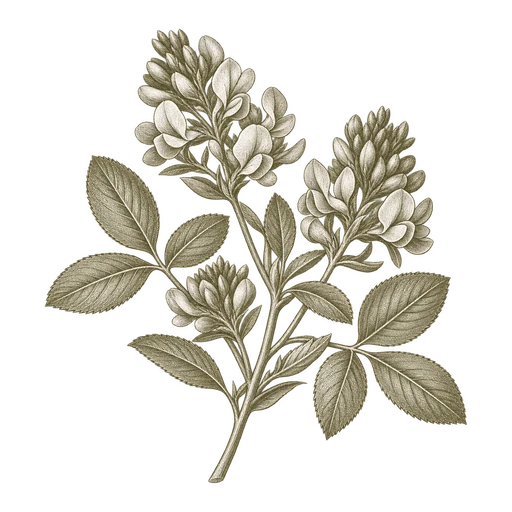
Alfalfa is a forage legume sourced as hay, silage, meal or pellets for livestock feed. Match the form to receiving and ration needs, then compare a lot-specific analysis on a consistent basis.
Explore ingredientPrepare to receive bulk beet pulp pellets by matching the shipment format to your unloading equipment and storage setup. Agree on pellet-condition expectations, protect the product from moisture and contamination, and give suppliers the receiving details needed to discuss a workable order.
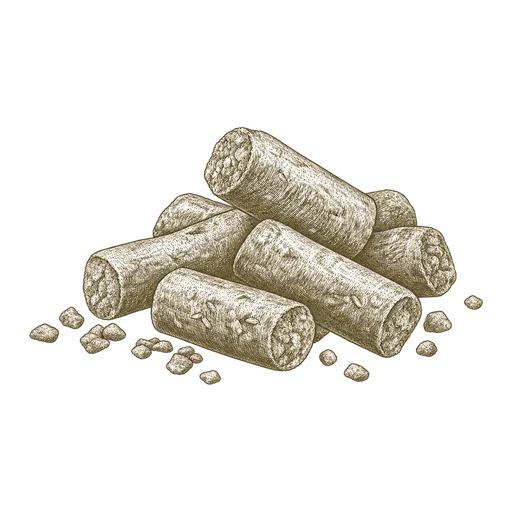
A receiving plan for beet pulp pellets starts with the offered form and packaging—not assumptions about how every pellet shipment arrives. Beet pulp pellets are a compressed feed ingredient made from sugar beet pulp. The way a particular load is packaged affects unloading, inspection and transfer into storage, so align those details with your facility before scheduling delivery.
Decide who will receive the load, where it will be unloaded, and what equipment is available at that point. For packaged material, confirm that the receiving area and handling equipment can manage the package type being quoted. For loose bulk material, establish how the carrier will discharge and whether the destination has compatible access and storage capacity. Packaging and shipment arrangements are supplier-dependent; do not plan around a format until it is agreed.
A truck that can reach the site is not necessarily a load the site can unload. Check access, turning space, unloading location, equipment compatibility and any site rules that affect receiving. If the material will be transferred into a bin or conveyor system, make sure the proposed discharge method connects with that system and that the receiving area can handle the expected flow of product.
Also agree how the load will be identified and inspected at arrival. A designated receiving point and a clear procedure for recording the product identity, packaging condition and any visible concerns help staff distinguish a normal delivery from one that needs review. Keep feed ingredients separated from materials that could introduce dirt, chemicals or other contaminants during unloading.
Pellets can be affected by handling during loading, transit and unloading. Breakage creates fines, and the amount present can influence how a load behaves in conveyors, bins and feed-mixing equipment. Do not assume that all beet pulp pellets arrive with identical integrity or fines levels; the condition depends on the offered product and its handling.
Before ordering, decide what pellet condition your process can accommodate and how you will assess it. If fines matter to your equipment or formulation process, establish an agreed method for evaluating them and a clear acceptance approach with the supplier. At receiving, inspect packaging for damage and look for unusual amounts of broken material or fines. Record concerns promptly and follow the agreed process rather than relying on visual judgment alone.
Keep beet pulp pellets dry and protect them from conditions that could introduce moisture. Wet material can deteriorate and may no longer handle or store like sound pellets. Choose storage that keeps the product protected from rain, leaks, wet floors and condensation, and keep the receiving route clean so moisture or contaminants are not transferred during unloading.
Separate beet pulp pellets from chemicals, fuels, cleaning products and other materials that could contaminate feed. Use clean equipment and storage areas, and avoid mixing a new load with old material before staff have completed the facility’s receiving checks. The appropriate storage arrangements depend on the offered product and the receiving site; confirm any supplier handling guidance rather than treating one storage practice as universal.
When requesting a quote for bulk beet pulp pellets, provide the required form, order quantity and unit, delivery destination and requested timing. Describe the receiving method and constraints: packaging preference if applicable, unloading equipment, access limits, available storage and any restrictions on delivery appointments. This lets the proposed shipment be compared with the facility’s actual capabilities.
Include quality needs that affect acceptance, particularly any requirements for pellet condition, fines, moisture or product identity. Ask for the offered product’s handling and storage guidance, and make sure the receiving team knows what to inspect and whom to contact if the delivery differs from the agreed terms. With those details in hand, buyers can review the [beet pulp pellets page](/ingredients/beet-pulp-pellets) and pursue a sourcing conversation that accounts for both the feed requirement and the receiving site.
Confirm the shipment format, unloading method, site access, available storage and any delivery constraints. Also agree how the load will be identified and what condition checks matter to your facility.
No. Pellet condition and fines can differ with the offered product and its handling. If fines affect your conveying or mixing equipment, set an acceptance method and expectations before ordering.
Keep them protected from moisture and contamination in a clean storage area. Confirm handling and storage guidance for the specific product being offered; storage needs should not be assumed to be identical for every pellet load.
Focused guides to the specification, application, and delivery questions behind this ingredient.
A practical guide to discussing beet pulp pellets with an equine nutritionist, including their fiber and energy role, partial forage substitution, and calcium-phosphorus balance.
Read this InsightCompare beet pulp pellet offers by molasses status and lot-specific analysis. Moisture or dry matter, protein, fiber fractions, energy estimates and minerals are useful only when their basis and context are clear.
Read this InsightAlfalfa is a forage legume sourced as hay, silage, meal or pellets for livestock feed. Match the form to receiving and ration needs, then compare a lot-specific analysis on a consistent basis.
Explore ingredientAlfalfa meal is ground forage used in animal feed, with sun-cured and dehydrated processing routes and meal or pellet forms. Compare the offered process, physical form and analysis against the needs of the species and feed formulation.
Explore ingredientAlfalfa pellets are ground, compressed forage used in livestock feeding and compound feeds. Compare the drying process, alfalfa material, forage analysis and pellet characteristics to choose a form that fits your ration and receiving setup.
Explore ingredientApple pomace is an apple-pressing residue used in ruminant feed. Wet, dried and ensiled forms differ in moisture and preservation, so compare the actual form and lot analysis when assessing its role in a ration and planning bulk handling.
Explore ingredient