Independent sourcing. Better connections.Commercial buyers · Bulk ingredients
tag

Horse feed

This collection groups alfalfa pellets, beet pulp pellets, beet pulp shreds, and a listing called Beets. Alfalfa and beet pulp have different nutritional roles, while beet pulp forms may differ in handling without implying a standard nutritional difference. Confirm product identity and compare actual analyses before making purchasing or ration decisions.

4 ingredients6 published Insights
EXPLORE THE COLLECTION

Horse feed ingredients

Feed Ingredients

Alfalfa Pellets

Alfalfa pellets are ground, compressed forage used in livestock feeding and compound feeds. Compare the drying process, alfalfa material, forage analysis and pellet characteristics to choose a form that fits your ration and receiving setup.

Explore ingredient
Starches/Fibers/Proteins

Beet Pulp Pellets

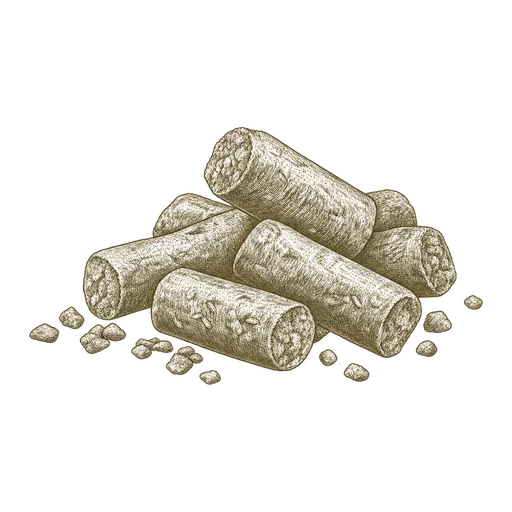
Beet pulp pellets are a dried, compacted sugar beet co-product used as a fibrous, energy-bearing ingredient in livestock feed. Compare molasses status, lot analysis and pellet handling needs to match the product to your ration and receiving setup.

Explore ingredient
Starches/Fibers/Proteins

Beet Pulp Shreds

Beet pulp shreds are dried, shredded sugar-beet pulp used as a digestible-fiber ingredient in livestock and horse diets. Compare the offered form, additions and lot analysis, then match the shipment and dry-storage plan to your receiving setup.

Explore ingredient
Dried Vegetables

Beets

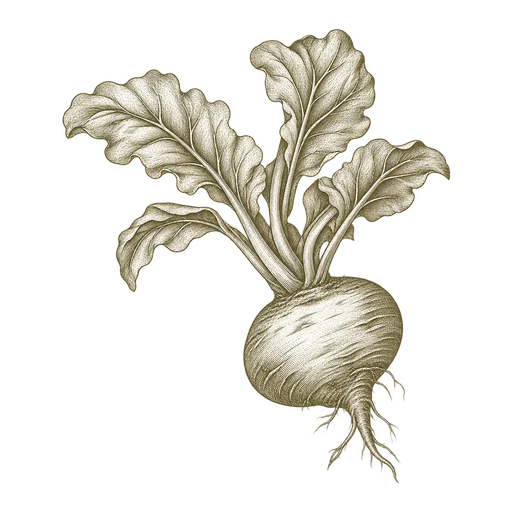
Sugar beet pulp is the fibrous residue left after sugar extraction and is used in livestock feed. Buyers can source moist pressed or dried shredded and pelleted forms; moisture, analysis and receiving needs determine which form fits a feed program.

Explore ingredient

How these horse-feed ingredients differ

Alfalfa pellets are a processed legume forage and generally contribute more protein and minerals, including calcium, than grass hay. Beet pulp is the fibrous material left after sugar-beet processing; it is valued as a fiber and calorie source. Neither form should be assumed to provide a complete ration by itself.

Beet pulp pellets and beet pulp shreds are different physical forms, but the form alone does not establish a nutritional difference. Compare the actual product analyses, including whether molasses or other ingredients have been added.

Compare products by analysis and form

For bulk purchases, verify the ingredient identity, physical form, additions, and current product or lot analysis. Compare crude protein, fiber, fat, calcium, and phosphorus; request starch and sugar results when they matter to the feeding plan. Check whether reported values are as-fed or on a dry-matter basis.

Pellets and shreds differ in handling and presentation, while processed feeds provide less long-stem forage and chewing time than hay. Keep the whole ration and forage plan in view rather than treating a processed ingredient as a one-for-one replacement.

Confirm the intended use

The catalog label “Beets” does not establish whether the ingredient is whole beets, beet pulp, or another form. Confirm its exact identity and intended feed use before comparing it with the other products. For all members, use product directions and feeding advice suited to the horse; soaking guidance for beet pulp is not universal.

Common questions.

Are beet pulp pellets and shreds nutritionally different?+

The form alone does not establish a nutritional difference. Compare the analyses for the specific products and check for molasses or other additions.

Does beet pulp always need to be soaked?+

Soaking guidance varies by product and feeding situation. Follow the product directions and seek veterinary or nutrition advice when the horse eats rapidly or has dental difficulties.

Can alfalfa pellets or beet pulp be the horse’s whole diet?+

Do not assume either is a complete diet. The full ration needs appropriate forage, chewing time, and nutrient balance.

What does the “Beets” listing refer to?+

The name alone does not identify its form. Confirm whether it means whole beets, beet pulp, or another product before evaluating its feed use.

Horse feed · BUYER INSIGHTS

Go deeper before you source.

Focused guides to the specification, application, and delivery questions behind this ingredient.

FIELD GUIDE01Horse feed
Buyer’s guide

Planning delivery and storage for wet sugar beet pulp

Moisture changes the delivered dry matter and handling plan for wet sugar beet pulp. Compare offers on a consistent basis, then match the destination, unloading method and storage plan to the selected form.

Read this Insight
FIELD GUIDE02Horse feed
Buyer’s guide

Choosing sugar beet pulp forms for horse-feed preparation

Compare beet pulp shreds and pellets for horse-feed preparation, and understand how dry versus rehydrated use affects handling and what product information a nutrition professional needs.

Read this Insight
FIELD GUIDE03Horse feed
Buyer’s guide

How to compare sugar beet pulp analysis across wet and dried offers

A practical guide to comparing wet pressed and dried sugar beet pulp analyses on a consistent basis, from moisture and dry matter to protein, energy, fiber, and minerals.

Read this Insight
FIELD GUIDE04Horse feed
Buyer’s guide

Planning bulk beet pulp shreds receiving and dry storage

Plan beet pulp shreds receiving by matching the order form and quantity to your facility’s unloading setup, destination and dry storage capacity. Packaging and storage duration are not universal, so confirm the offered lot’s handling instructions and terms.

Read this Insight
FIELD GUIDE05Horse feed
Buyer’s guide

Beet pulp shreds for horses: formulation and soaking questions

Beet pulp shreds can contribute fiber and dietary energy to a horse’s ration. Learn how to discuss their role and soaking with an equine nutrition professional before defining a bulk sourcing requirement.

Read this Insight
FIELD GUIDE06Horse feed
Buyer’s guide

How to compare beet pulp shreds analysis and dry-matter basis

Compare beet pulp shreds analysis on a consistent basis. Learn how moisture, protein, fiber, sugars and minerals inform purchasing decisions, and how to verify whether a product includes molasses or other additions.

Read this Insight