Grains
Alfalfa
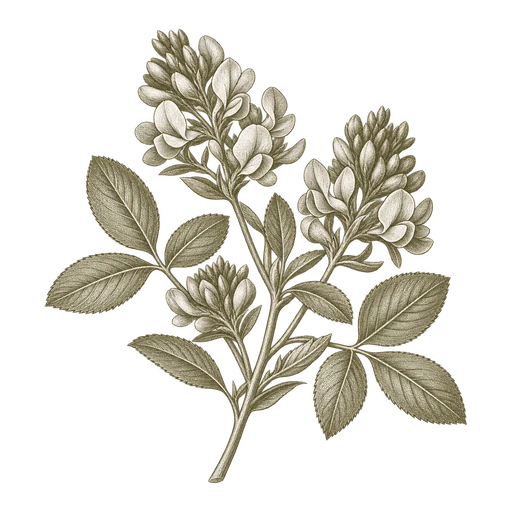
Alfalfa is a forage legume sourced as hay, silage, meal or pellets for livestock feed. Match the form to receiving and ration needs, then compare a lot-specific analysis on a consistent basis.
Explore ingredientCompare wheat specifications by separating grade and class from measured protein and moisture. Align reporting basis, test method, sampling and tolerances before making contract requirements.
A useful wheat specification separates what the grain is from what a test measures. Class identifies a type of wheat with characteristics relevant to its intended processing use. Grade describes the grain under a grading system, typically using defined quality factors. Neither label alone tells you every measured property of a particular lot.
Grading terms and classifications depend on origin and the applicable system. When comparing offers from different origins, ask which system and terminology are being used rather than assuming that similar-sounding grade names are equivalent. The contract should identify the wheat class or type and the grading basis clearly.
Protein and moisture are separate analytical results. They can help assess a lot against a milling, food-manufacturing or other purchase requirement, but they do not replace grade or establish performance on their own. Agree on the actual acceptance criteria for the intended use instead of treating any single value as a universal measure of quality.
Protein is commonly used in wheat purchasing because it helps buyers compare lots for applications such as flour milling and baking. The number is only comparable when its reporting basis is clear. Ask whether the result is reported on an as-received basis or adjusted to a stated moisture basis, and make sure the contract and certificate use the same convention.
Also identify the test method and how the result is expressed. Different analytical approaches can produce results that are not directly interchangeable without an agreed basis or conversion. A certificate that lists a protein percentage but omits the method or basis leaves room for disputes over whether the lot meets the written requirement.
Protein should be evaluated alongside other requirements relevant to the product being made. For wheat destined for flour, factors beyond grain protein can affect milling and end-use performance. Do not infer a guaranteed baking result from a protein figure alone; set requirements with the processor or technical team responsible for the finished product.
Moisture indicates the water content of the grain and is important both to specification comparisons and to post-receipt handling. A stated limit is meaningful only when buyers and sellers agree on how the result is measured, reported and evaluated against that limit.
Compare moisture results on the same reporting basis and confirm that the certificate refers to the lot being offered. A moisture result can change with sampling and handling, so the contract should explain which test result governs acceptance and how a disagreement is resolved. Do not assume a tolerance or adjustment unless it is written into the purchase terms.
Moisture is not a substitute for a storage plan. Receiving and storage conditions should account for the delivered grain’s condition and the buyer’s facility. A buyer should consider the result in relation to the receiving schedule and storage capability, not just whether a number appears to fall within a stated limit.
A laboratory result represents the sample tested, so the sampling procedure matters. Before purchase, establish how the sample is collected and identified, whether it represents the contracted lot, and how a retained or dispute sample will be handled. These details help connect the reported analysis to the grain actually delivered.
A certificate of analysis or grade document should identify the lot and report the required parameters with their units, basis and methods. Review the document against the contract rather than treating a certificate as a general assurance of suitability. If the document uses a different method, reporting basis or terminology than the contract, clarify the difference before acceptance.
Define tolerances and remedies in the contract, including how results near a limit are treated and which party’s test controls. Requirements and grading language can vary by origin, buyer and intended use, so there is no single set of protein or moisture thresholds that applies to every wheat purchase.
Before requesting or comparing bulk wheat offers, write down the criteria that matter to the purchase: wheat class or type, applicable grade system, protein and moisture requirements, units and reporting bases, and the agreed methods for testing. Add other quality parameters only when they are relevant to the planned processing or end use.
Then align the specification with the transaction. State how the lot will be sampled, which documents must accompany it, what tolerances apply, and how a disputed result will be evaluated. Keep the wording precise enough that both parties can determine whether the delivered lot meets the agreement.
For broader product and sourcing context, visit the Wheat ingredient page. It is a useful next step after defining the specification: buyers can explore the ingredient information and use their intended class, analysis, quantity and destination to frame a sourcing discussion.
No. Grade is assigned under an applicable grading system, while protein is a measured analytical parameter. Specify both when each matters to the purchase, and identify the grading basis and protein reporting basis.
A protein result reported as received can differ from one adjusted to a stated moisture basis. Comparing results without aligning their basis can make lots appear different or equivalent when the figures are not directly comparable.
It should identify the lot and report each required result with its units, reporting basis and test method. The contract should also explain how sampling, tolerances and any conflicting test results are handled.
Focused guides to the specification, application, and delivery questions behind this ingredient.
A practical bulk wheat guide to planning shipment responsibilities, protecting cargo condition, matching records, coordinating sampling, and preparing for receipt and storage.
Read this InsightA practical guide to evaluating wheat for bread flour: connect grain characteristics and flour tests to the dough and baking performance your mill needs.
Read this InsightAlfalfa is a forage legume sourced as hay, silage, meal or pellets for livestock feed. Match the form to receiving and ration needs, then compare a lot-specific analysis on a consistent basis.
Explore ingredientAlfalfa meal is ground forage used in animal feed, with sun-cured and dehydrated processing routes and meal or pellet forms. Compare the offered process, physical form and analysis against the needs of the species and feed formulation.
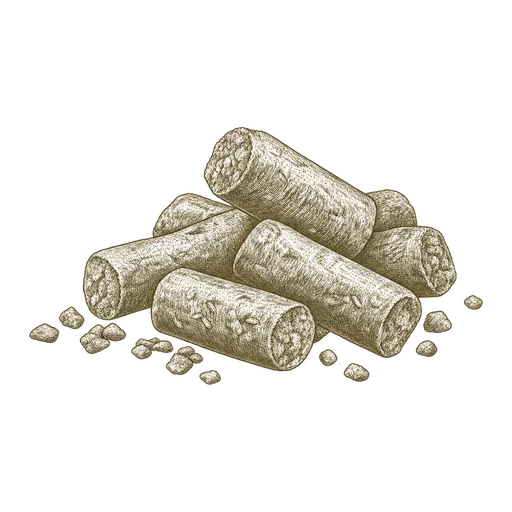
Explore ingredientAlfalfa pellets are ground, compressed forage used in livestock feeding and compound feeds. Compare the drying process, alfalfa material, forage analysis and pellet characteristics to choose a form that fits your ration and receiving setup.
Explore ingredientAlmond hulls are the dried outer layer of the almond fruit, sourced for ruminant feed as hull-only material or as a hull-and-shell mixture. Compare the lot’s composition, physical form, and handling needs before arranging a bulk shipment.
Explore ingredient