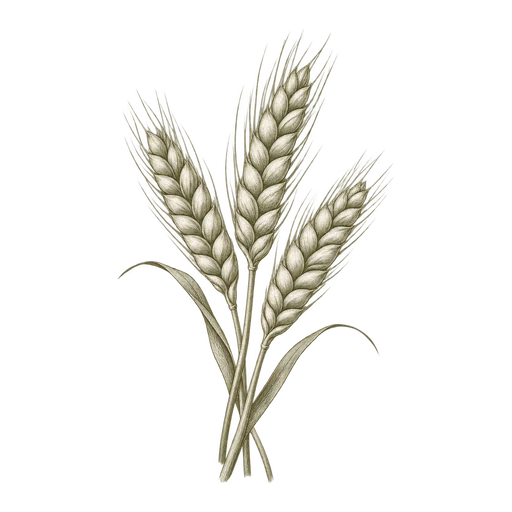
Grain and flour specifications cover products with different identities and functions: whole grains such as wheat, teff and white millet, wheat bran as a milling fraction, and vital wheat gluten as a concentrated wheat-protein ingredient. Buyers should not apply one specification template across the collection. The right comparison depends on the product form, intended use and measurements that describe the lot’s performance.
Teff is a small-seeded cereal sourced as food grain or flour and separately as forage or straw. Naming the form and intended use helps buyers compare the right quality measures, plan receiving and protect the product in storage.
Vital wheat gluten is a dried wheat protein ingredient that develops an elastic, cohesive structure when hydrated. Buyers use it in bread, pasta, meat analogues and some feed formulations; compare its functional properties and quality analysis against the process before choosing a bulk product.
Wheat bran is the coarse outer layer separated during flour milling, used in livestock feed and as a fiber-containing food ingredient. Compare bran identity, flakes or meal, particle size and the analysis needed for your application.
White millet commonly refers to white-seeded proso millet, sourced for food products, birdseed, and livestock feed. Identify the species, hull status, and processing form to match the grain to its intended use.
This collection includes whole grains such as wheat, teff and white millet, plus wheat bran and vital wheat gluten. These are not interchangeable forms: bran is a wheat milling fraction, while vital wheat gluten is concentrated wheat protein, not ordinary flour. Request specifications that identify the exact ingredient and whether it is whole, milled or further processed.
Teff is gluten-free, but it does not provide wheat gluten’s dough structure. For teff or white millet, clarify the intended use and the lot’s form rather than assuming wheat-flour performance or applying wheat grading measures.
Compare results on the same basis
For wheat, moisture, test weight and protein can help characterize grain, but protein percentages are only comparable when their moisture basis and test method match. Flour and baking decisions may call for additional measures such as falling number, water absorption, ash or particle size. Their relevance depends on the product and end use.
Vital wheat gluten needs a separate assessment focused on its composition and functional behavior; wheat-grain grading measures do not describe it. For bran, confirm the offered description and intended-use requirements rather than assuming a universal grade.
Make the lot description actionable
Before comparing bulk offers, align ingredient identity, form, intended food or feed use, and the measurements that matter to your process. Review a current lot specification or analysis with units, methods, moisture basis and sample date. Also compare packaging and delivery format against your receiving and storage setup; these are commercial terms to confirm for the specific lot.
Common questions.
Can I compare wheat protein percentages directly?+
Not reliably unless the moisture basis, test method and product form match. Check whether the result is for grain or flour and whether it is reported on a standard or dry-matter basis.
Is vital wheat gluten specified like wheat flour?+
No. It is a concentrated wheat-protein ingredient with distinct composition and functionality measures. Evaluate its own lot specification against the formulation’s needs.
Can teff be substituted one-for-one for wheat flour?+
Do not assume so. Teff is gluten-free and does not provide wheat gluten’s viscoelastic dough structure; intended use, form and formulation performance need to guide the choice.
What should a buyer review for a bulk lot?+
Check the exact ingredient and form, intended use, lot-specific specification or analysis, units, test methods, moisture basis and sample date. Confirm packaging and delivery details for the lot as well.
Grain and flour specifications · BUYER INSIGHTS
Go deeper before you source.
Focused guides to the specification, application, and delivery questions behind this ingredient.