Grains
Alfalfa
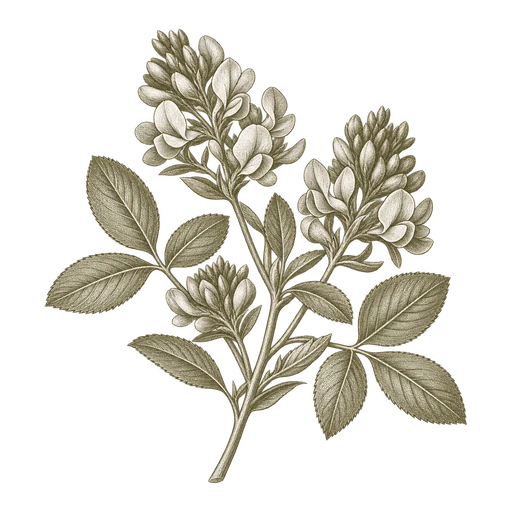
Alfalfa is a forage legume sourced as hay, silage, meal or pellets for livestock feed. Match the form to receiving and ration needs, then compare a lot-specific analysis on a consistent basis.
Explore ingredientA practical guide to evaluating wheat for bread flour: connect grain characteristics and flour tests to the dough and baking performance your mill needs.
Choosing wheat for bread flour is not simply a matter of buying the grain with the highest protein result. A mill needs wheat that can produce flour with the functional properties its bakery customers expect, and those properties depend on the grain, the milling process and the finished flour. The useful starting point is the bread style and production process the flour must serve: for example, a dough that needs to hold its shape and tolerate mechanical mixing presents different demands from one with a gentler process.
Translate those end-use needs into measurable flour targets, then work backward to grain characteristics. Ask which flour tests your customers use, which baking attributes matter most, and what range of variation their process can handle. That gives discussions with wheat suppliers a practical purpose: assessing whether a lot fits your mill’s blend and production plan, rather than treating a single grain number as a guarantee of baking performance.
Wheat classes differ in typical kernel and baking characteristics, and mills often use class as an initial way to organize potential bread-wheat supplies. Hard wheats are commonly associated with bread flour because their grain structure and gluten-forming proteins can support stronger doughs. But class is a starting point, not a complete specification: wheat within the same class can vary, and class alone does not establish how a particular lot will perform in a given mill or recipe.
Protein content indicates how much protein is present, not the functional quality of that protein. The balance and properties of gluten-forming proteins influence dough strength, elasticity and tolerance during mixing and fermentation. Two lots with similar protein results can therefore behave differently. Mills should consider protein content alongside flour functionality tests and, when possible, a baking evaluation relevant to the intended product.
Grain characteristics matter both for flour yield and for the flour’s behavior. Kernel hardness affects how wheat breaks during milling and is associated with differences in particle size and water absorption. Kernel size and uniformity can also influence how consistently the grain moves through cleaning, conditioning and milling. These relationships make grain inspection and milling trials valuable complements to a class name or protein figure.
Moisture, test weight, damaged kernels and other condition or grade measures help describe the lot and its handling or processing suitability. Their significance depends on the mill’s equipment, intake criteria and process controls. Ask for the reported basis and method for each measure, especially when comparing offers, and distinguish grain measures from flour results. A grain specification cannot stand in for evidence of the flour’s performance after milling.
Flour analysis narrows the gap between incoming wheat and the bakery’s end use. Protein and ash help characterize flour composition and milling extraction. Damaged starch is relevant because it affects water absorption and enzyme activity. Falling number is used to assess alpha-amylase activity, which can influence fermentation and crumb characteristics. These measures answer different questions; none should be interpreted in isolation or treated as a universal pass-or-fail answer for every bread.
Dough tests add functional evidence. Farinograph results can help describe water absorption and mixing behavior, while alveograph or extensograph testing can characterize aspects of dough strength and extensibility. Which tests are useful depends on the flour specification and baking process. A mill should compare results using consistent methods and interpretation, then verify promising wheat or blends in a bake test that reflects its customer’s formula and production conditions.
Blending gives a mill a way to combine wheat lots with complementary characteristics, but the result should be judged by the flour and dough properties it produces. Protein quantity alone cannot show whether one lot will correct another’s functional weakness, nor does a favorable result on one test establish performance across all products. Review the grain analyses together, mill representative samples where practical, and assess the resulting flour with the tests and bake conditions that matter to your customers.
For recurring purchases, discuss how lot-to-lot variation will be evaluated and what results should trigger a blend adjustment or further testing. Keep grain, flour and baking data linked to the relevant lot and process. This makes it easier to identify whether a performance shift came from incoming wheat, milling conditions or a change in the bakery’s formula. For bulk wheat sourcing options, start with the Bulk Ag Exchange Wheat page and take your mill’s end-use targets into the sourcing discussion.
No. Protein content measures quantity, not the functional quality of gluten-forming proteins. Compare it with dough or flour functionality results and a baking test matched to the bread and process you need.
Grain measures describe the incoming lot, while flour and dough tests help predict milling and baking behavior. Depending on your process, useful measures may include protein, ash, damaged starch, falling number and dough tests such as farinograph or alveograph results. A representative bake test connects those results to the intended product.
No. Class can help narrow the search, but individual lots vary, and milling conditions and end use matter. Evaluate grain condition and relevant flour functionality, then test the resulting flour against your mill and bakery requirements.
Focused guides to the specification, application, and delivery questions behind this ingredient.
A practical bulk wheat guide to planning shipment responsibilities, protecting cargo condition, matching records, coordinating sampling, and preparing for receipt and storage.
Read this InsightCompare wheat specifications by separating grade and class from measured protein and moisture. Align reporting basis, test method, sampling and tolerances before making contract requirements.
Read this InsightAlfalfa is a forage legume sourced as hay, silage, meal or pellets for livestock feed. Match the form to receiving and ration needs, then compare a lot-specific analysis on a consistent basis.
Explore ingredientAlfalfa meal is ground forage used in animal feed, with sun-cured and dehydrated processing routes and meal or pellet forms. Compare the offered process, physical form and analysis against the needs of the species and feed formulation.
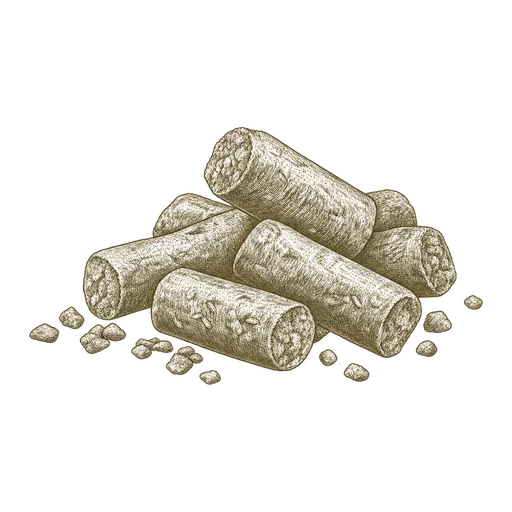
Explore ingredientAlfalfa pellets are ground, compressed forage used in livestock feeding and compound feeds. Compare the drying process, alfalfa material, forage analysis and pellet characteristics to choose a form that fits your ration and receiving setup.
Explore ingredientAlmond hulls are the dried outer layer of the almond fruit, sourced for ruminant feed as hull-only material or as a hull-and-shell mixture. Compare the lot’s composition, physical form, and handling needs before arranging a bulk shipment.
Explore ingredient