Grains
Alfalfa
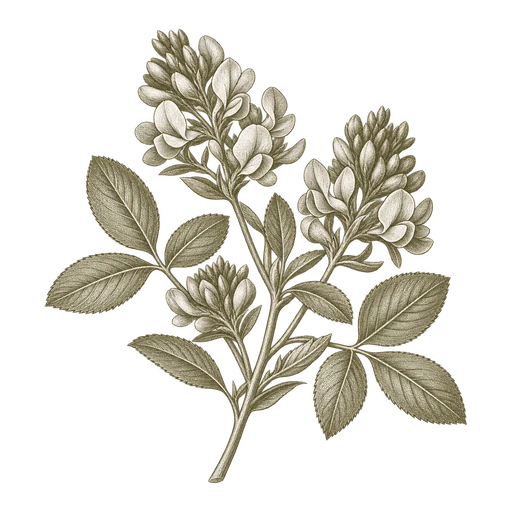
Alfalfa is a forage legume sourced as hay, silage, meal or pellets for livestock feed. Match the form to receiving and ration needs, then compare a lot-specific analysis on a consistent basis.
Explore ingredientA practical bulk wheat guide to planning shipment responsibilities, protecting cargo condition, matching records, coordinating sampling, and preparing for receipt and storage.
Bulk wheat shipping works best when the buyer and seller agree in advance on what is being shipped, who handles each step, and what counts as acceptable delivery. Before arranging a load, align the wheat’s intended use and required product description with the quantity and unit, destination, delivery window, and receiving setup. These details affect what transport and unloading arrangements are appropriate.
Map responsibilities from loading through delivery: who arranges transport, checks the loading space, seals or identifies the cargo if required, supplies shipment records, and contacts the receiver about arrival. The contract and route determine which party carries each responsibility. Make the handoff points explicit rather than relying on a general assumption that one party manages the entire journey.
Wheat is a dry grain, so a suitable shipment plan must protect it from moisture, foreign material, and contact with residues from previous cargoes. Discuss the proposed transport and handling setup with the parties responsible for loading and receipt. The equipment must suit the agreed wheat form and the facility’s ability to unload it; a buyer should not assume that a particular vehicle, container, or bulk-delivery service is available.
Check receiving constraints before dispatch. Confirm access, unloading method, operating hours, and any site-specific restrictions that could delay or prevent discharge. At loading and arrival, a clean, suitable cargo space and careful handling reduce the chance that contamination or exposure undermines the value of the shipment.
Documents support traceability only when they describe the same shipment. Agree on which records are required for the transaction and intended use, then compare the product identity, quantity, shipment identifiers, and relevant dates across the paperwork and the load. The document set varies with the contract, route, and applicable rules; there is no single set that should be assumed for every bulk wheat movement.
Confirm whether the shipment needs food- or feed-related handling records, inspection results, or other documentation under the rules that apply at origin and destination. The responsible parties should establish this before loading. If a record or result is required, specify who obtains it, who receives it, and when it must be available. That prevents a paperwork gap from becoming a receiving or payment dispute.
A sample is useful only if the parties know what it represents. Agree before shipment on whether sampling occurs at loading, delivery, or both; who takes and identifies the sample; and how it will be retained or tested if a quality concern arises. Sampling methods and acceptance terms belong in the transaction agreement, not in an after-the-fact assumption.
At receipt, document visible cargo condition and any discrepancy promptly, following the agreed procedure. Match observations to the shipment records and preserve relevant evidence, such as sample identification and delivery documentation. The contract should define notification deadlines and the process for handling a claim; avoid delaying notice while trying to resolve responsibility informally.
Before committing to a shipment, share the wheat description and intended use, quantity and unit, origin and destination, requested timing, and receiving method. Identify transport and unloading responsibilities, facility access limits, cleanliness expectations, and how exposure to moisture or contamination will be managed.
Agree on the shipment documents and applicable food- or feed-handling requirements for the route. Define sampling points, sample identification, acceptance terms, and the process for reporting a discrepancy. At handoff, compare the load and records, note the cargo condition, and retain the agreed documentation.
For storage after receipt, prepare a clean, dry location that protects grain from moisture and contamination. Keep the shipment identifiable within the receiving and storage system so that records, samples, and any later quality review can be traced to the same lot. For product form and sourcing details, continue to Bulk Ag Exchange’s Wheat ingredient page.
Agree on the product description and intended use, quantity and unit, destination, timing, receiving method, and who is responsible at each handoff. Also establish the required records, sampling process, acceptance terms, and discrepancy procedure.
The required documents depend on the contract, route, origin, destination, and intended use. Confirm the applicable requirements and assign responsibility for each record before loading rather than assuming one document set applies to every shipment.
Receive it into a clean, dry storage area that protects the grain from moisture and contamination. Preserve shipment identity in storage records so the grain can be linked to its delivery documents and any retained samples.
Focused guides to the specification, application, and delivery questions behind this ingredient.
A practical guide to evaluating wheat for bread flour: connect grain characteristics and flour tests to the dough and baking performance your mill needs.
Read this InsightCompare wheat specifications by separating grade and class from measured protein and moisture. Align reporting basis, test method, sampling and tolerances before making contract requirements.
Read this InsightAlfalfa is a forage legume sourced as hay, silage, meal or pellets for livestock feed. Match the form to receiving and ration needs, then compare a lot-specific analysis on a consistent basis.
Explore ingredientAlfalfa meal is ground forage used in animal feed, with sun-cured and dehydrated processing routes and meal or pellet forms. Compare the offered process, physical form and analysis against the needs of the species and feed formulation.
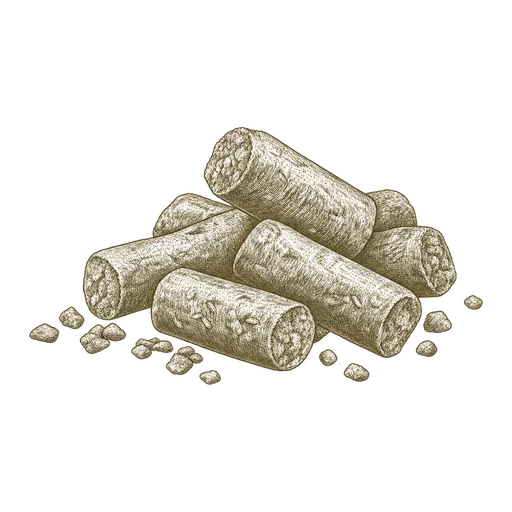
Explore ingredientAlfalfa pellets are ground, compressed forage used in livestock feeding and compound feeds. Compare the drying process, alfalfa material, forage analysis and pellet characteristics to choose a form that fits your ration and receiving setup.
Explore ingredientAlmond hulls are the dried outer layer of the almond fruit, sourced for ruminant feed as hull-only material or as a hull-and-shell mixture. Compare the lot’s composition, physical form, and handling needs before arranging a bulk shipment.
Explore ingredient