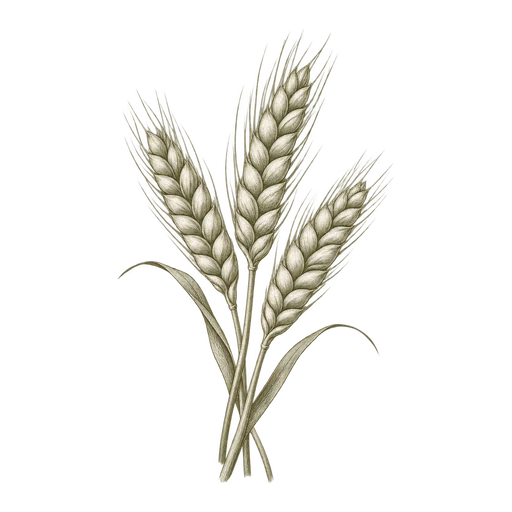
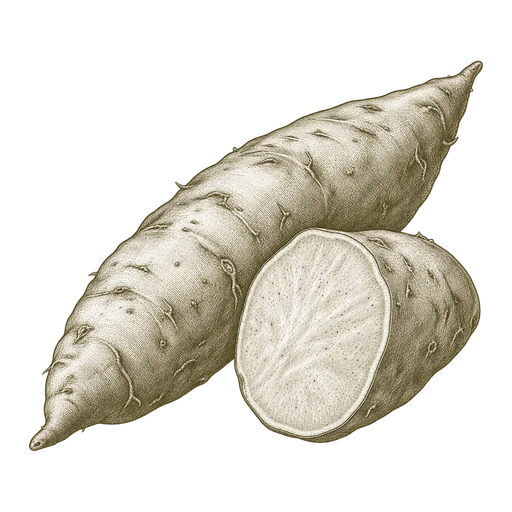
This baking ingredients collection brings together wheat, spelt and sweet potato powder. They serve different formulation needs: wheat flour must be selected for the intended baked product, spelt is a gluten-containing wheat type, and sweet potato powder is a dried ingredient whose processing and particle size can affect how it performs. Bulk buyers should verify the exact form and lot specification, then assess performance in the recipe and process they intend to use.
Spelt is a hulled wheat sourced as grain, dehulled kernels, flour, or separated hulls. Choose the form for the intended food or feed use, and compare lot-specific functionality or feed analysis rather than assuming all spelt is equivalent.
Sweet potato powder is a dried, ground root ingredient available through different processing routes, including milled dried root and dried puree. Compare process, color, particle size and functional properties against the needs of your food formulation or feed evaluation.
Wheat is the broadest category here, but the name alone does not identify a flour type or its baking performance. Match the material to the intended product—such as bread, pastry or another baked good—and check the relevant specification.
Spelt is a type of wheat, not a gluten-free alternative. Its protein content alone does not predict dough strength or bread performance, so application-specific data and trials are useful when comparing it with common wheat.
Choosing flour and powder forms
Confirm whether spelt is offered as grain or flour, and whether it is whole or refined. For wheat flour, compare the product type and test basis for measures such as protein, moisture and ash; request baking or functional data when performance is critical.
Sweet potato powder is not a single standardized baking form. Drying, pretreatment, peeling and particle size can affect its properties. Verify the exact form and processing details rather than assuming that every powder behaves like the same flour.
Plan bulk purchases around the finished product
For all three ingredients, define the food use and required form before comparing bulk offers. Check the actual lot specification, test methods and results, plus relevant allergen and cross-contact information. Packaging and dry-storage requirements should follow the product specification.
Sweet potato powder has been tested as a partial wheat-flour replacement, but there is no universal one-for-one substitution ratio. The result depends on the powder and recipe; pilot batches can reveal changes in dough handling, loaf volume and crumb texture before a larger production run.
Common questions.
Is spelt suitable for gluten-free baking?+
No. Spelt is a form of wheat and contains gluten.
Can sweet potato powder replace wheat flour one-for-one?+
There is no universal substitution ratio. Test the specific powder in the intended recipe and process.
Is wheat flour protein percentage enough to predict baking performance?+
No. Protein is one measure; flour type, test basis and application-specific dough or baking results also matter.
What should buyers clarify about sweet potato powder?+
Confirm its exact form, drying or heat treatment, peeling status and particle size, along with the lot specification and intended food use.
Baking ingredients · BUYER INSIGHTS
Go deeper before you source.
Focused guides to the specification, application, and delivery questions behind this ingredient.