Grade specifications help buyers define the identity and quality of a bulk ingredient, but the term “grade” does not mean the same thing across commodities. This collection brings together Fancy Inshells, Fine Chips, Fish Oil, Green Lentils, Lentils and Lima Beans—products with different forms, standards and quality measures. Compare them by clarifying the exact product, intended use and criteria behind each grade claim.
Fancy Inshells needs a precise nut identity and grade. U.S. Fancy Hand Picked applies to cleaned Virginia-type inshell peanuts; buyers should distinguish that standard from lot analysis and intended-use documentation.
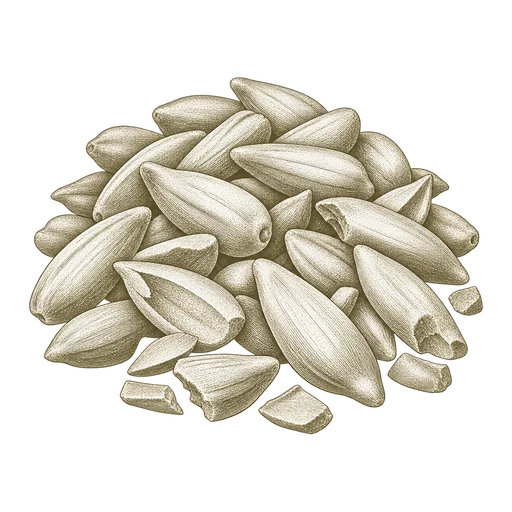
Fine Chips are broken or size-reduced sunflower kernels used in wild-bird feed products. Compare the seller’s chip-size definition, hull content and lot analysis, then match packaging and receiving details to your facility.
Fish oil is a marine lipid used in compound aquafeeds. Compare its source, processing and lot-specific fatty-acid profile, then consider oxidation measures and liquid-oil receiving needs when planning a bulk order.
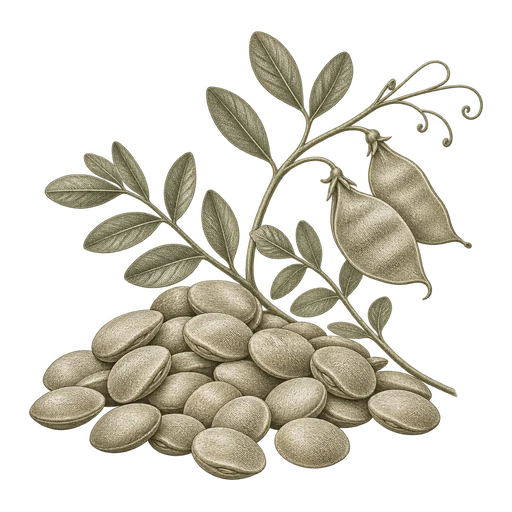
Green lentils are dry pulse seeds sold in forms such as whole, split, dehulled and flour. Compare the processing form, grade documentation, color, moisture and cleanliness against the needs of your food process or reviewed feed formulation.
Lentils are pulse seeds sold as whole, split or dehulled product for food processing and, with lot-specific evaluation, some feed uses. Specify the form, type and quality measures that match your application.
Lima beans are sourced fresh and immature or as dry beans in Large, Baby and other classes. Compare class, whole or split form, defect expectations and intended food use when planning a bulk order.
Grade specifications describe product identity and quality, but they are not interchangeable across commodities. An official grade, a special-grade designation, a buyer’s specification and a commercial description can mean different things. This collection includes Fancy Inshells, Fine Chips, Fish Oil, Green Lentils, Lentils and Lima Beans; the names alone do not establish one grading system or confirm that every label refers to an official grade.
For Fancy Inshells and Fine Chips, clarify the exact ingredient, form and meaning of the grade wording before comparing offers. A familiar-sounding term does not, by itself, identify a standard.
Match the criteria to the ingredient and form
Green Lentils is a USDA special-grade designation for lentils with clear seeds and a natural, uniformly green color. It is not a complete quality specification on its own: relevant grade factors include defects, foreign material, size designations and color. Ask which grade and size designation apply to the lot.
Lima Beans require a form distinction. Dry edible beans and fresh shelled lima beans for processing are assessed under different standards. Fish Oil has no single oxidation limit that applies to every use; define the application, test method, units and acceptance limits in the specification.
Make the specification actionable
For a bulk purchase, identify the precise product and form, intended use, applicable standard and grade, inspection or sampling basis, test methods and lot-specific acceptance criteria. Request documentation that reports the properties important to your use, rather than relying on a grade name alone. These details make unlike products easier to compare and help clarify what a grade claim actually covers.
Common questions.
Does Green Lentils mean the lot has a complete USDA grade?+
No. Green Lentils is a USDA special-grade designation, but it does not state the lot’s complete grade or all relevant quality factors. Specify the grade and other required criteria separately.
Does the same lima-bean grade apply to dry and fresh products?+
No. Dry edible lima beans and fresh shelled lima beans for processing are covered by different standards. Identify the product form before evaluating its grade.
Are Fancy Inshells and Fine Chips official grades?+
The labels alone do not establish that. Confirm the exact ingredient and form, the definition of the grade wording, and the standard or inspection document that supports it.
Are fish-oil oxidation limits the same for every use?+
No. Limits depend on the intended application and governing specification. State the use, test method, units and acceptance limits when comparing fish-oil lots.
Grade specifications · BUYER INSIGHTS
Go deeper before you source.
Focused guides to the specification, application, and delivery questions behind this ingredient.