Grains
Alfalfa
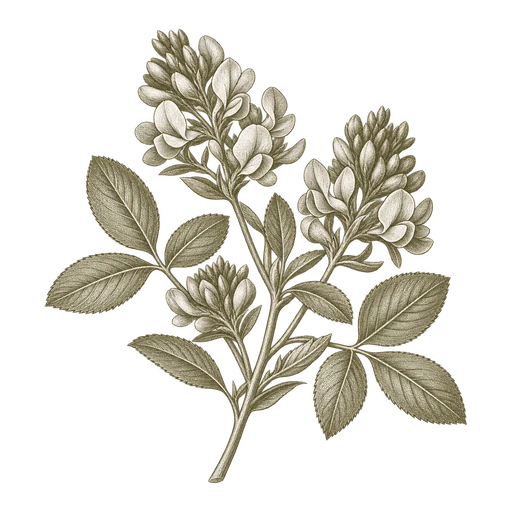
Alfalfa is a forage legume sourced as hay, silage, meal or pellets for livestock feed. Match the form to receiving and ration needs, then compare a lot-specific analysis on a consistent basis.
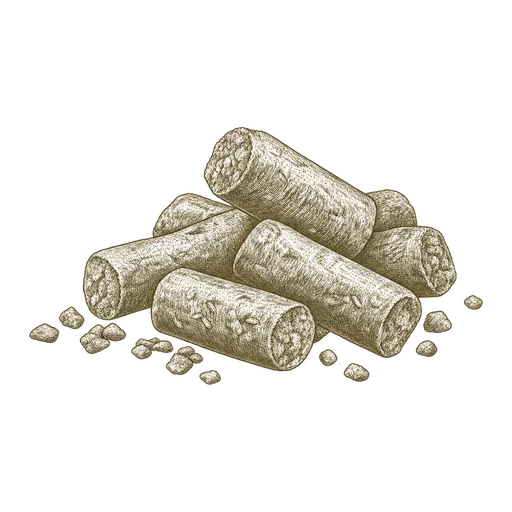
Explore ingredientCompare soy hull pellet analyses on the same basis, using moisture or dry matter to interpret protein, fiber and energy. Additive status matters because molasses or binder can affect the composition of the finished pellet.
A soy hull pellets feed analysis is only useful for lot-to-lot comparison when you know whether the results are reported as-fed or on a dry-matter basis. As-fed values describe the ingredient in the condition it is delivered, including its moisture. Dry-matter values remove moisture from the comparison, helping buyers compare nutrient concentrations independently of differences in water content.
The two bases are not interchangeable. To convert an as-fed nutrient result to a dry-matter basis, divide that result by the dry-matter fraction of the sample. Conversely, a dry-matter result can be expressed as-fed by multiplying it by the dry-matter fraction. Check that the moisture or dry-matter result and the other nutrients come from the same analysis and that the report identifies its basis. Otherwise, an apparent difference between lots could reflect reporting convention rather than composition.
Dry matter is the portion of the ingredient remaining after moisture is excluded; moisture is the water portion. These values provide the context for interpreting every nutrient reported on an as-fed basis. A lot with more moisture has less dry matter in each unit of delivered weight, so its as-fed nutrient percentages can appear lower even when dry-matter composition is similar.
For purchasing and ration comparisons, use the basis that matches the decision. As-fed figures help describe nutrients received per unit of delivered product. Dry-matter figures make it easier to compare feed ingredients or lots without moisture differences obscuring their composition. Keep the original reported values and basis visible when sharing an analysis with a nutritionist or comparing quotes.
Crude protein is a broad measure of nitrogen-based protein content. It can help compare the protein contribution of lots, but it does not describe the whole feeding value of soy hull pellets or establish how they fit a particular ration. Interpret it with the other analysis fields and the intended formulation.
Fiber results need particular care because different measures describe different analytical fractions. Crude fiber is not equivalent to neutral detergent fiber (NDF) or acid detergent fiber (ADF); values from these methods should not be treated as a like-for-like comparison. If fiber is central to the purchase decision, compare the same named measure, method where reported, and basis across lots. A nutritionist can then interpret those results in the context of the complete ration.
Energy is an estimate, not a direct nutrient concentration in the same sense as protein or moisture. Feed analyses may report an energy measure such as total digestible nutrients (TDN), digestible energy, metabolizable energy or net energy, depending on the intended use and reporting convention. These measures are not interchangeable. Compare the same energy system and basis, and establish how the value was determined before using it in a formulation.
Soy hull pellets can differ in whether molasses or another binder is included. If an additive is present, the reported analysis describes the pellet as offered, not necessarily the soy hull material alone. Added material can change the proportions of nutrients in the finished product, so protein, fiber, moisture and energy results may differ from those of pellets without the same addition.
Do not infer the presence, amount or effect of an additive from the nutrient figures alone. Ask whether molasses or binder is included, whether the analysis applies to the finished pellets, and whether the reported values are as-fed or dry-matter basis. For direct comparison, line up analyses for products with the same additive status or have a nutritionist account for the difference.
When reviewing offers, place dry matter or moisture, crude protein, the named fiber measures and energy in a side-by-side table. Record the unit, analytical basis and test method when supplied. Also note whether the report describes the finished pellet and whether molasses or binder is included. Missing context makes a numerical comparison incomplete; it does not justify substituting general reference values for the offered lot’s specification.
Use the analysis to answer a defined formulation question, rather than choosing a lot from one attractive number. For example, a protein comparison is more meaningful when basis and product composition match, while a fiber or energy comparison also requires the same measure. Once the required analysis and reporting basis are clear, visit the [Soy Hull Pellets page](/ingredients/soy-hull-pellets) to source the product.
As-fed values include the product’s moisture, while dry-matter values exclude it. More moisture means less dry matter in each unit of delivered weight and can lower as-fed nutrient percentages without indicating a comparable change in dry-matter composition.
No. Crude fiber, NDF and ADF are different analytical measures. Compare the same named measure, basis and, where reported, method across lots.
An added ingredient can change the composition of the finished pellet, so its analysis may differ from pellets without the same addition. Establish whether an additive is included and whether the analysis describes the finished product before comparing values.
Focused guides to the specification, application, and delivery questions behind this ingredient.
Plan bulk soy hull pellets receiving around order quantity, facility capacity, unloading equipment and dry, clean storage. Pellet density and durability can affect volume and handling, and vary by product and conditions.
Read this InsightSoy hull pellets can contribute digestible fiber and energy to forage-based cattle rations, but their pelleted form does not replace the physical role of long-stem forage. Their use depends on the complete ration, roughage, feeding management, and professional formulation.
Read this InsightAlfalfa is a forage legume sourced as hay, silage, meal or pellets for livestock feed. Match the form to receiving and ration needs, then compare a lot-specific analysis on a consistent basis.
Explore ingredientAlfalfa meal is ground forage used in animal feed, with sun-cured and dehydrated processing routes and meal or pellet forms. Compare the offered process, physical form and analysis against the needs of the species and feed formulation.
Explore ingredientAlfalfa pellets are ground, compressed forage used in livestock feeding and compound feeds. Compare the drying process, alfalfa material, forage analysis and pellet characteristics to choose a form that fits your ration and receiving setup.
Explore ingredientAlmond hulls are the dried outer layer of the almond fruit, sourced for ruminant feed as hull-only material or as a hull-and-shell mixture. Compare the lot’s composition, physical form, and handling needs before arranging a bulk shipment.
Explore ingredient