Grains
Alfalfa
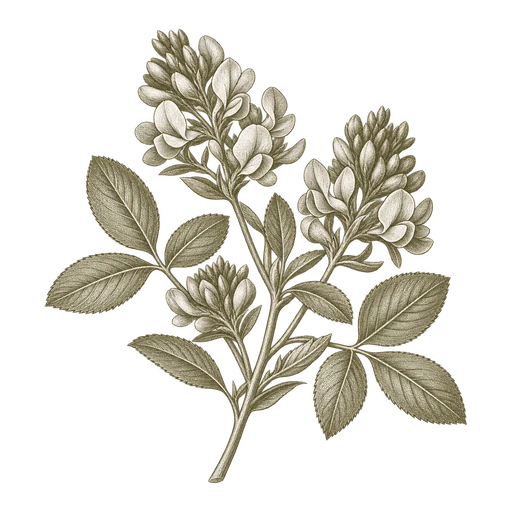
Alfalfa is a forage legume sourced as hay, silage, meal or pellets for livestock feed. Match the form to receiving and ration needs, then compare a lot-specific analysis on a consistent basis.
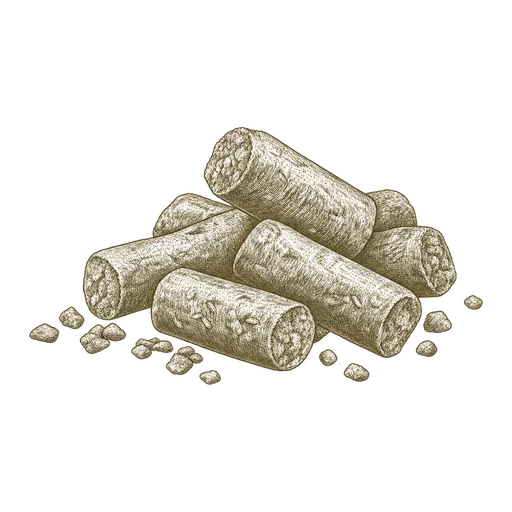
Explore ingredientSoy hull pellets can contribute digestible fiber and energy to forage-based cattle rations, but their pelleted form does not replace the physical role of long-stem forage. Their use depends on the complete ration, roughage, feeding management, and professional formulation.
Soy hull pellets can contribute digestible fiber and energy to cattle rations that include forage. Soy hulls are the outer coverings separated during soybean processing; pelleting compacts the hull material into a form that is easier to handle and incorporate into a mixed ration. Their role is different from that of hay or other long-stem forage.
Long-stem forage supplies physical structure as well as nutrients. Cattle chewing and ruminating on appropriately structured forage supports normal feeding behavior and rumen function. Pelleted soy hulls are a processed ingredient with much shorter particles, so their fiber does not provide the same physical form as long forage. A ration containing pellets still needs a deliberate roughage plan.
The useful distinction is not simply “fiber versus energy.” Soy hull fiber can be fermented by rumen microbes, contributing energy within the ration. That makes soy hull pellets a potential ingredient when a formulator is balancing digestible fiber with the rest of the diet, rather than treating them as an equivalent replacement for forage.
This role matters when comparing ingredients with different nutrient and physical characteristics. The amount of energy cattle obtain from a ration depends on the entire formulation and the quality of its ingredients, not on a single feed name. For that reason, soy hull pellets should be evaluated alongside forage, other energy sources, protein ingredients, minerals, and the cattle’s requirements.
A forage-based ration can vary substantially in forage type, maturity, quality, and the proportion of the diet supplied by forage. Those differences affect how much room there is for a digestible-fiber ingredient and what nutritional gaps the complete ration must address. Cattle class and production stage also matter; one formulation should not be assumed to fit every herd or feeding situation.
A qualified nutrition professional can assess the forage and the rest of the ration together, then determine whether soy hull pellets have a useful role. That review should account for the relevant feed analyses and the intended feeding program. There is no universal inclusion rate or guaranteed performance response that applies across diets.
Pellets are compact and more uniform in physical form than long forage. That is useful for ingredient handling and ration mixing, but it also means that pellet form alone does not provide the long particles associated with forage chewing. The roughage portion of the ration must therefore be considered separately when assessing fiber adequacy and physical structure.
Feeding management is part of the formulation decision. Consider how the ration is mixed and delivered, whether cattle can access it as intended, and whether the feeding system maintains a consistent blend. Changes to ingredients or physical form can affect how a ration is handled and consumed. Introduce changes under the direction of the nutrition professional responsible for the diet, rather than assuming that a pellet can simply replace an existing forage or concentrate ingredient.
Before sourcing, identify the role soy hull pellets are meant to play in the existing ration. Share the current formulation and relevant feed analyses with the nutrition professional, and determine what product information is needed to assess a specific lot. Analysis matters because the actual ingredient values—not the product name alone—inform ration calculations.
For a useful sourcing discussion, specify that pellets are required, the quantity and unit, destination, timing, and receiving setup. Also identify the quality information needed for the nutrition review and any packaging or unloading constraints at the site. These details help connect the ingredient offer to the ration and the operation that will receive it. When the formulation is established, see the Soy Hull Pellets page to source a lot for that defined use.
Not on a one-for-one basis. Soy hull pellets can supply digestible fiber and energy, but their short, processed form does not provide the same physical structure as long-stem forage. Have a qualified nutrition professional evaluate the complete ration and its roughage.
Their fiber can be fermented by rumen microbes, contributing energy to the diet. Their value in a particular ration depends on the whole formulation, ingredient analyses, and the cattle being fed.
Review the forage, complete ration, cattle requirements, feeding method, and available ingredient analysis with a qualified nutrition professional. A product name alone cannot establish an appropriate inclusion rate or predict performance.
Focused guides to the specification, application, and delivery questions behind this ingredient.
Plan bulk soy hull pellets receiving around order quantity, facility capacity, unloading equipment and dry, clean storage. Pellet density and durability can affect volume and handling, and vary by product and conditions.
Read this InsightCompare soy hull pellet analyses on the same basis, using moisture or dry matter to interpret protein, fiber and energy. Additive status matters because molasses or binder can affect the composition of the finished pellet.
Read this InsightAlfalfa is a forage legume sourced as hay, silage, meal or pellets for livestock feed. Match the form to receiving and ration needs, then compare a lot-specific analysis on a consistent basis.
Explore ingredientAlfalfa meal is ground forage used in animal feed, with sun-cured and dehydrated processing routes and meal or pellet forms. Compare the offered process, physical form and analysis against the needs of the species and feed formulation.
Explore ingredientAlfalfa pellets are ground, compressed forage used in livestock feeding and compound feeds. Compare the drying process, alfalfa material, forage analysis and pellet characteristics to choose a form that fits your ration and receiving setup.
Explore ingredientAlmond hulls are the dried outer layer of the almond fruit, sourced for ruminant feed as hull-only material or as a hull-and-shell mixture. Compare the lot’s composition, physical form, and handling needs before arranging a bulk shipment.
Explore ingredient