Grains
Alfalfa
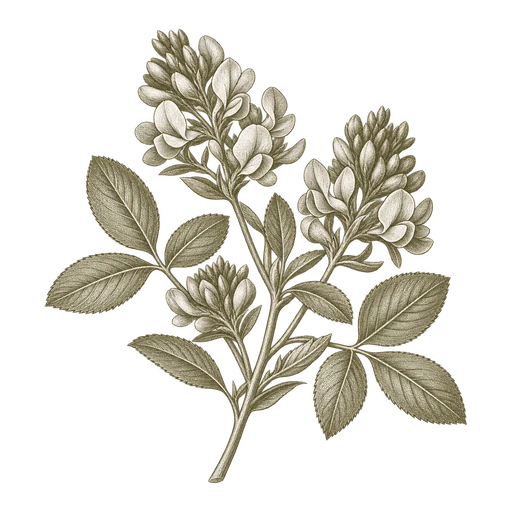
Alfalfa is a forage legume sourced as hay, silage, meal or pellets for livestock feed. Match the form to receiving and ration needs, then compare a lot-specific analysis on a consistent basis.
Explore ingredientPlan bulk soy hull pellets receiving around order quantity, facility capacity, unloading equipment and dry, clean storage. Pellet density and durability can affect volume and handling, and vary by product and conditions.
A workable bulk soy hull pellets order begins with the facility, not just the requested tonnage. Set out the required quantity and unit, delivery destination and timing, then describe how the site receives feed ingredients. That information helps connect the order requirement with the practical limits of the receiving location.
Be specific about unloading equipment and any constraints on access, discharge or receiving hours. A shipment arrangement that cannot be unloaded with the equipment on site can disrupt operations even when the product and quantity are right. If more than one facility may receive the order, identify the destination for each quantity.
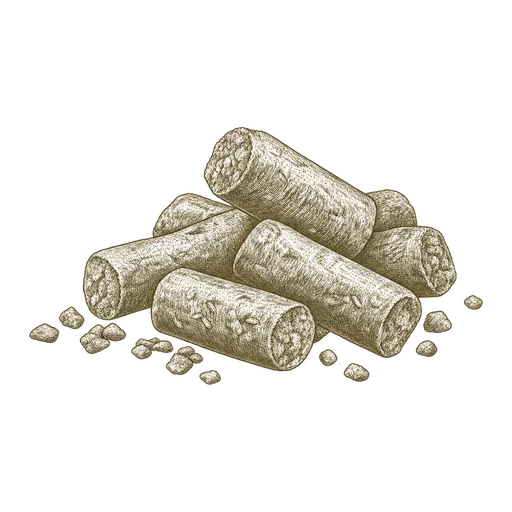
Soy hull pellets are a processed, pelleted form of soybean hulls. Their density affects how much space a given mass occupies, so it matters when estimating the storage volume needed for a planned order. Do not assume that a volume estimate from one product offer will apply to another: pellet density varies by product and conditions.
Durability matters during transfer and handling. Pellets that break apart can create fines, changing the material’s physical condition as it moves through receiving and storage equipment. Durability also varies, so consider how the product will travel through the facility and whether the equipment can handle the offered form. When comparing offers, ask for relevant product information rather than relying on appearance alone.
Compare the order quantity with both the receiving rate and the available storage capacity. Capacity is not only a question of total space: density affects the volume occupied, and the site’s equipment determines how product can be transferred into storage. Make sure the planned quantity will not exceed what the facility can unload and hold.
Describe the receiving method and any equipment or site limitations when arranging the order. Packaging and shipment arrangements depend on the offer; do not assume a particular format will be available. The important step is to establish whether the arrangement under discussion can be received safely and efficiently at the destination.
Moisture management is central to storage planning for a dry feed ingredient. Protect stored soy hull pellets from water intrusion and damp conditions, and check that the intended storage area is suitable before the shipment arrives. Avoid setting a storage duration or moisture limit without product-specific guidance.
Prevent contamination by keeping storage and transfer equipment clean and by separating the pellets from materials that could compromise the intended use. Consider the path from unloading to storage, including bins, conveyors and other contact points. A clean receiving route helps protect the product’s identity and condition throughout handling.
Before requesting a quote, assemble the quantity and unit, destination, timing, receiving method and available storage capacity. Include relevant requirements for the product and ask what information is available about pellet density and durability, since both can affect space planning and handling. Commercial terms such as packaging, freight and timing depend on the specific offer and destination.
Use the [Soy Hull Pellets](/ingredients/soy-hull-pellets) page to submit a sourcing requirement with the facility’s receiving details. A clear description of unloading equipment and storage conditions makes it easier to consider whether the proposed order can work at your site.
Density affects the storage volume occupied by a given mass. Use the offered product’s relevant information to plan capacity; density can vary by product and conditions, so avoid treating a previous order as a precise guide.
Durability relates to how well pellets resist breaking during handling. Breakage can create fines, so the characteristic is relevant to transfers through receiving and storage equipment. The degree of durability varies.
Provide the quantity and unit, delivery destination and timing, unloading equipment, receiving constraints and available storage capacity. Include any relevant product requirements so the proposed arrangement can be evaluated against the site.
Plan for dry storage and protect the product from moisture and contamination. Keep the receiving and transfer route clean, and obtain product-specific handling guidance rather than assuming a shelf life or storage limit.
Focused guides to the specification, application, and delivery questions behind this ingredient.
Soy hull pellets can contribute digestible fiber and energy to forage-based cattle rations, but their pelleted form does not replace the physical role of long-stem forage. Their use depends on the complete ration, roughage, feeding management, and professional formulation.
Read this InsightCompare soy hull pellet analyses on the same basis, using moisture or dry matter to interpret protein, fiber and energy. Additive status matters because molasses or binder can affect the composition of the finished pellet.
Read this InsightAlfalfa is a forage legume sourced as hay, silage, meal or pellets for livestock feed. Match the form to receiving and ration needs, then compare a lot-specific analysis on a consistent basis.
Explore ingredientAlfalfa meal is ground forage used in animal feed, with sun-cured and dehydrated processing routes and meal or pellet forms. Compare the offered process, physical form and analysis against the needs of the species and feed formulation.
Explore ingredientAlfalfa pellets are ground, compressed forage used in livestock feeding and compound feeds. Compare the drying process, alfalfa material, forage analysis and pellet characteristics to choose a form that fits your ration and receiving setup.
Explore ingredientAlmond hulls are the dried outer layer of the almond fruit, sourced for ruminant feed as hull-only material or as a hull-and-shell mixture. Compare the lot’s composition, physical form, and handling needs before arranging a bulk shipment.
Explore ingredient