Independent sourcing. Better connections.Commercial buyers · Bulk ingredients
tag

Bulk feed ingredient handling

This collection covers seven bulk feed ingredients with distinct forms and feed roles: ground corn, fibrous hull pellets, animal-derived meal and fat, and dried mealworms. Bulk handling is the shared concern, not a common nutritional profile. Buyers can use the ingredient cards to compare product identity and consider how form, flow, storage and intended use fit their receiving equipment and feed program.

7 ingredients6 published Insights
EXPLORE THE COLLECTION

Bulk feed ingredient handling ingredients

Animal Products

Dried Mealworms

Dried mealworms are Tenebrio molitor larvae supplied whole or ground into meal and powder for animal-feed applications. Choose the form to fit receiving and mixing needs, and compare nutrient analysis on a consistent basis because processing and test methods affect reported composition.

Explore ingredient
Grains

Ground Corn

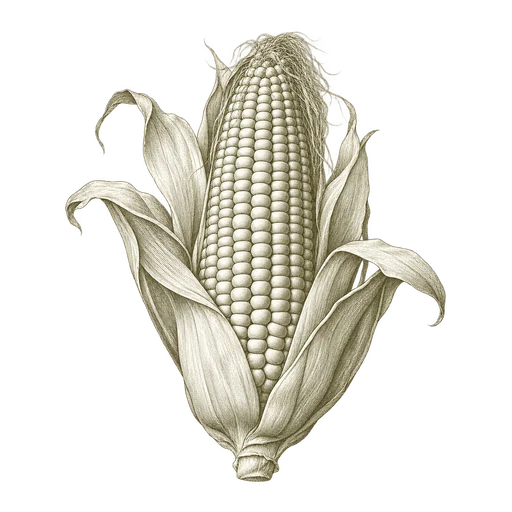
Ground corn is milled corn grain used as an energy ingredient in livestock diets and commercial feed. Because the name does not define grind size, analysis or intended use, buyers should specify the particle-size requirement and quality measures that fit their process.

Explore ingredient
Feed Ingredients

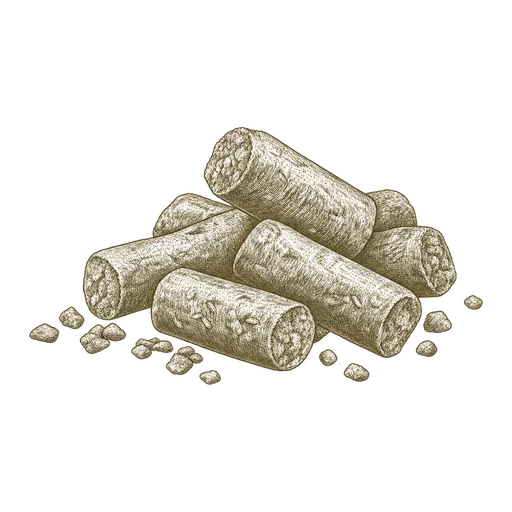
Peanut Hull Pellets

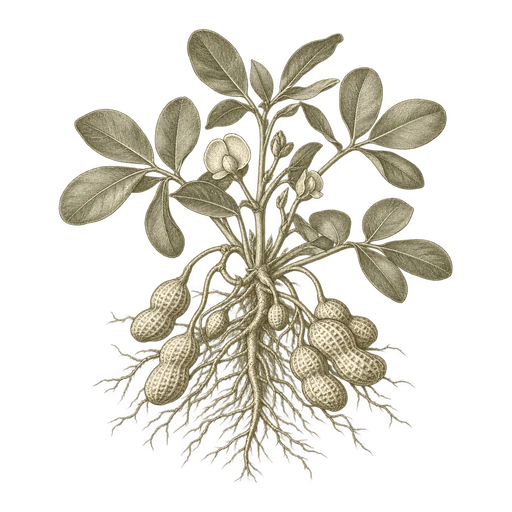
Peanut hull pellets are a processed peanut-shell by-product used as high-fiber roughage in beef cattle rations. Compare lot analysis and pellet characteristics, since processing changes effective fiber and the right role depends on the complete ration.

Explore ingredient
Feed Ingredients

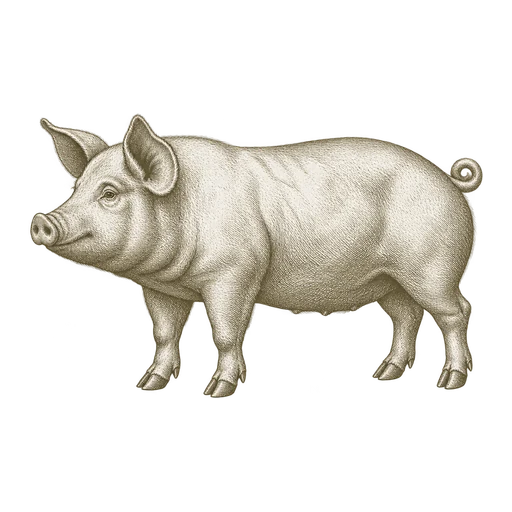
Pork Meal

Pork meal is rendered, ground pork-derived material used in animal-feed and pet-food manufacturing. Confirm whether bone is included, compare the offered lot analysis on a consistent basis, and match the form and handling details to your facility.

Explore ingredient
Animal Products

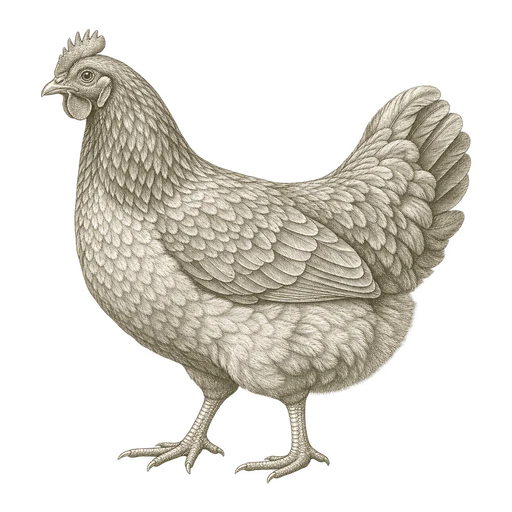
Poultry Fat

Poultry fat is a rendered fat used as an energy ingredient in poultry feed. Compare source identity, quality analysis and handling instructions so the offered lot fits your formulation and receiving setup.

Explore ingredient
Feed Ingredients

Soy Hull Pellets

Soy hull pellets are a pelleted, fiber-rich soybean co-product used in ruminant feed programs. Compare the offered lot analysis, any pellet additions, and physical handling characteristics to match the product to the ration and receiving setup.

Explore ingredient
Animal Products

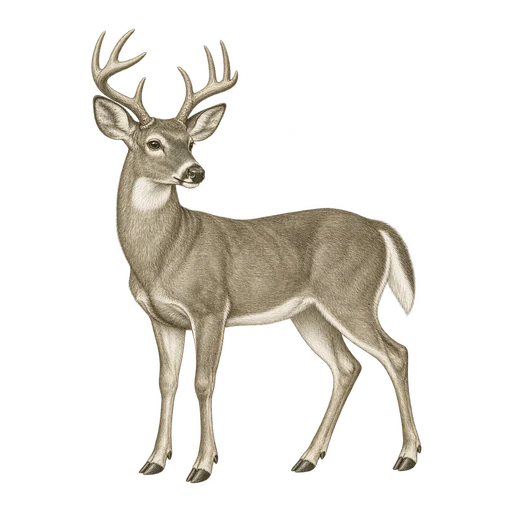
Venison Meal

Venison meal is a ground deer-derived ingredient used in pet-food formulations. Compare source tissues, bone content, processing and lot-specific analysis to determine whether an offered product fits your formula and receiving requirements.

Explore ingredient

Different ingredients, different roles

Bulk feed ingredient handling brings together materials that differ in both form and nutritional role. Ground corn is a processed grain; soy hull pellets and peanut hull pellets are fibrous plant co-products. Pork meal and poultry fat are animal-derived ingredients, while dried mealworms are an insect ingredient. The shared concern is handling in quantity—not a shared feed function or a common suitability across animal species.

The physical form matters too. Pellets, ground grain, meals, fat and dried insects do not necessarily behave alike in storage or feeding equipment. Treat each product’s declared identity and specification as the starting point for evaluating its intended use.

Plan around flow and storage

Bulk density, particle size, pellet dimensions and fines can affect receiving, conveying and discharge. Hull materials deserve particular attention: soybean hulls are light and bulky, and peanut hulls can flow poorly. Pellet form can reduce hull bulk, but it does not guarantee reliable flow through a particular bin, auger or feeder.

Keep storage clean, dry and protected from pests and contamination. Moisture can contribute to spoilage and clumping, so assess the material and storage system rather than applying grain-specific handling assumptions to every ingredient.

Compare offers by identity and use

Before comparing lots, match the exact ingredient name and physical form to the intended species and use. Request the lot-specific specification and certificate of analysis, including relevant moisture, nutrient and contaminant results. For flowing or pelleted materials, ask for physical measurements that suit your equipment and receiving setup.

Do not infer a complete ration role from a broad category label. Peanut hulls, for example, are highly fibrous and are not a uniform substitute for a more nutrient-dense feed ingredient. Animal-derived meals and fats also need product-specific composition and use information.

Common questions.

Are all ingredients in this collection interchangeable feed ingredients?+

No. Ground corn, fibrous hull pellets, animal-derived meals and fat, and dried mealworms differ in composition, form and intended use. Evaluate each against the species, ration and product specification.

What should I check if a bulk ingredient must flow through my equipment?+

Check relevant lot-specific measures such as bulk density, particle size, pellet dimensions and fines, then assess whether the material suits your bin, auger, feeder and unloading setup.

Can I use the same storage assumptions for pellets, meals, fat and grain?+

No. Keep products clean, dry and protected, but account for their different forms and handling needs. Grain-specific moisture guidance should not automatically be applied to other feed ingredients.

Does a bulk feed ingredient’s name establish which animals it suits?+

No. Confirm the exact declared ingredient identity, specification and intended use, and have the complete ration evaluated for the animal species and production stage.

Bulk feed ingredient handling · BUYER INSIGHTS

Go deeper before you source.

Focused guides to the specification, application, and delivery questions behind this ingredient.

FIELD GUIDE01Bulk feed ingredient handling
Buyer’s guide

Planning bulk receiving and storage for venison meal

Plan bulk venison meal receiving around your actual quantity, destination, packaging needs and unloading setup. Verify product-specific density, flow and storage instructions before committing facility capacity.

Read this Insight
FIELD GUIDE02Bulk feed ingredient handling
Buyer’s guide

What to evaluate when using venison meal in dog food

A practical evaluation of venison meal in dog-food formulation, covering lot composition, analytical basis, bone content and the ingredient’s role in the complete recipe.

Read this Insight
FIELD GUIDE03Bulk feed ingredient handling
Buyer’s guide

How to read a venison meal specification for bone content

Interpret venison meal bone content by combining a clear ingredient and tissue description with ash, calcium, phosphorus, analytical basis, and lot-specific results. No single mineral value establishes bone percentage.

Read this Insight
FIELD GUIDE04Bulk feed ingredient handling
Buyer’s guide

Planning bulk receiving and storage for soy hull pellets

Plan bulk soy hull pellets receiving around order quantity, facility capacity, unloading equipment and dry, clean storage. Pellet density and durability can affect volume and handling, and vary by product and conditions.

Read this Insight
FIELD GUIDE05Bulk feed ingredient handling
Buyer’s guide

Soy hull pellets in cattle forage-based rations

Soy hull pellets can contribute digestible fiber and energy to forage-based cattle rations, but their pelleted form does not replace the physical role of long-stem forage. Their use depends on the complete ration, roughage, feeding management, and professional formulation.

Read this Insight
FIELD GUIDE06Bulk feed ingredient handling
Buyer’s guide

How to compare soy hull pellet analyses

Compare soy hull pellet analyses on the same basis, using moisture or dry matter to interpret protein, fiber and energy. Additive status matters because molasses or binder can affect the composition of the finished pellet.

Read this Insight