Grains
Alfalfa
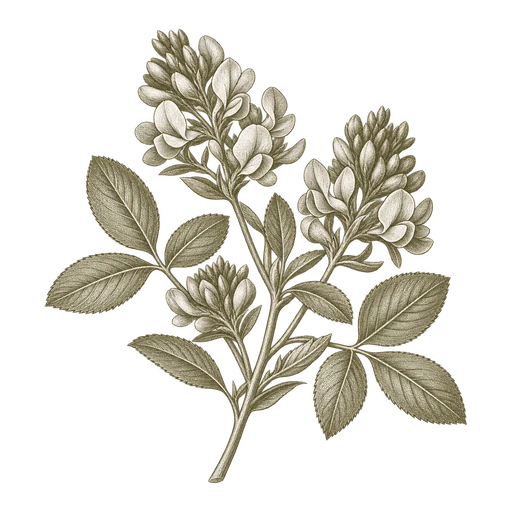
Alfalfa is a forage legume sourced as hay, silage, meal or pellets for livestock feed. Match the form to receiving and ration needs, then compare a lot-specific analysis on a consistent basis.
Explore ingredientPlan bulk poultry meal receiving around the order quantity, delivery location, packaging and unloading equipment your facility can handle. Protect the dry meal from moisture, inspect packaging on arrival and use the storage guidance for the specific product.
A smooth poultry meal delivery starts with matching the order to what your facility can receive—not simply estimating how much ingredient it uses. Decide the quantity and unit you need, where it will be delivered, and the date or delivery window that works with production and storage capacity. Share those details when arranging the order so the proposed shipment can be considered against your receiving conditions.
Packaging and unloading go together. A facility set up to handle a particular packaged form may not be equipped to receive another, and a bulk unloading arrangement requires suitable access and equipment. Describe how material is normally received at your site, including the unloading equipment available, before settling the shipment details. Packaging options and commercial terms depend on the specific offer.
Give the delivery location more detail than a street address. Note vehicle access restrictions, tight turns, height or weight limits, designated receiving hours, appointment requirements and any site rules that could affect arrival or unloading. These details help identify potential conflicts before dispatch rather than after a vehicle reaches the facility.
Be explicit about how the ingredient will move from delivery into storage. If your operation relies on a specific unloading method, confirm that the offered packaging and shipment arrangement are compatible with it. Also account for the people and time needed to receive the load; a delivery arriving outside a staffed receiving window can create avoidable delays. Do not assume a particular truck type, package size or unloading service is included—those details should be established for the order.
Poultry meal is a dry rendered ingredient, so keeping it dry is a central receiving and storage concern. Inspect packaging for tears, open seams or other signs of damage before accepting and moving it into storage. If the meal is delivered in a form that is exposed during unloading, plan how to limit contact with rain, standing water and damp surfaces.
Keep storage areas clean and dry, and avoid placing packaging where it can be damaged by handling or exposed to moisture. Use the handling and storage guidance supplied for the specific product; do not assume a universal moisture limit, storage duration or shelf life. If packaging is compromised or the material has become wet, set it aside from intact stock and follow your facility’s established quality procedures before use.
Before the shipment arrives, identify where the ingredient will be put away and how it will be kept separate from other materials. Clear the receiving area, prepare the equipment needed for the selected packaging, and make sure staff know the destination within the facility. These simple preparations reduce handling confusion and help prevent packaging damage during transfer.
At receipt, compare the delivered product and quantity with the order information, examine packaging condition, and record any issues promptly. Keep the lot identification and accompanying product information associated with the material as it enters inventory. This makes it easier to connect stored poultry meal with the right handling instructions and internal feed-use records.
A useful sourcing request includes the product form or grade required, order quantity and unit, delivery destination, preferred timing, packaging preference and unloading method. Add facility access restrictions and any receiving appointment or operating-hour requirements. If you have specific quality requirements, state them separately so the offer can be evaluated against the intended use.
Before finalizing an order, align the offered packaging, delivery arrangement and receiving schedule with the facility’s capabilities. Confirm the commercial terms and any product-specific handling guidance for that order rather than relying on assumptions about packaging, storage limits or delivery services. For product details and to submit a sourcing requirement, visit the Poultry Meal page.
Provide the quantity and unit, delivery destination, preferred timing, packaging preference and unloading method. Include site access restrictions, receiving hours, appointment requirements and any relevant quality requirements so the delivery plan can be assessed against your facility.
Keep it in a clean, dry storage area and protect packaging from damage and moisture. Follow the handling guidance for the specific product; storage limits and shelf life should not be assumed to be the same for every offer.
Check that the delivered product and quantity match the order, and look for torn, open or otherwise damaged packaging. Record issues and follow your facility’s quality procedures before using material that appears wet or whose packaging integrity is in doubt.
Focused guides to the specification, application, and delivery questions behind this ingredient.
Crude protein is only a starting point when evaluating poultry meal for a formulated diet. Mineral contribution, amino-acid information and digestibility help a formulator assess how the specific product may fit the intended formula.
Read this InsightCompare poultry meal offers by first aligning ingredient identity and analytical basis, then reviewing protein, fat, ash, moisture and mineral values together. Use the lot analysis to check the shipment under consideration, and request amino-acid or digestibility detail when it informs the formulation.
Read this InsightAlfalfa is a forage legume sourced as hay, silage, meal or pellets for livestock feed. Match the form to receiving and ration needs, then compare a lot-specific analysis on a consistent basis.
Explore ingredientAlfalfa meal is ground forage used in animal feed, with sun-cured and dehydrated processing routes and meal or pellet forms. Compare the offered process, physical form and analysis against the needs of the species and feed formulation.
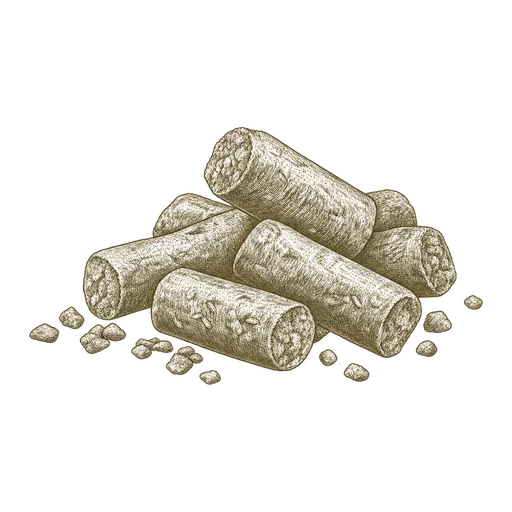
Explore ingredientAlfalfa pellets are ground, compressed forage used in livestock feeding and compound feeds. Compare the drying process, alfalfa material, forage analysis and pellet characteristics to choose a form that fits your ration and receiving setup.
Explore ingredientAlmond hulls are the dried outer layer of the almond fruit, sourced for ruminant feed as hull-only material or as a hull-and-shell mixture. Compare the lot’s composition, physical form, and handling needs before arranging a bulk shipment.
Explore ingredient