Independent sourcing. Better connections.Commercial buyers · Bulk ingredients
topic

Bulk sourcing

Bulk sourcing covers ingredients with very different origins and forms, from rendered poultry meal and wheat protein to oilseeds and produce. The useful starting point is to verify exactly what is offered, then compare specifications and handling requirements that fit the intended use. The ingredients in this collection are examples, not a guarantee of availability.

5 ingredients6 published Insights
EXPLORE THE COLLECTION

Bulk sourcing ingredients

Feed Ingredients

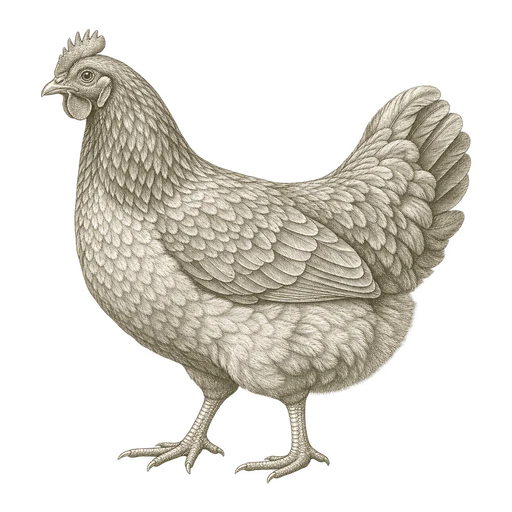
Poultry Meal

Poultry meal is a rendered, ground ingredient used in formulated animal diets. Its declared identity and lot analysis matter: compare protein, fat, minerals, moisture and, where relevant, amino-acid information before choosing an offer.

Explore ingredient

Seeds, Grains & Specialty

Rapeseed

Rapeseed can mean whole seed, oil or oil-extraction meal, and the crop name alone does not establish grade or end use. Compare product identity, intended application and relevant analysis before arranging a bulk purchase.

Explore ingredient
Peanuts

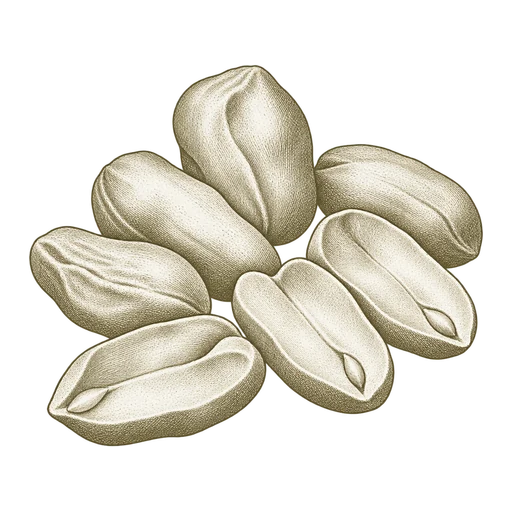
Raw Pickouts

Raw pickouts most likely means raw peanut kernels or pieces separated during processing, but the name does not define a standard grade. Compare the offered kernel form, sorting criteria and lot-specific testing—especially aflatoxin—against the intended use and receiving plan.

Explore ingredient
Dried Vegetables

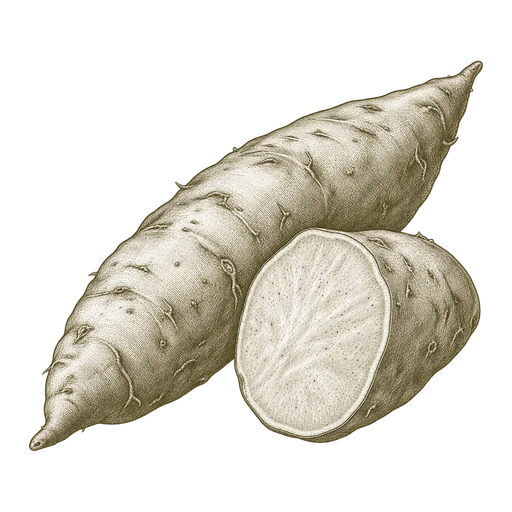
Sweet Potato

Sweet potato bulk materials include roots, vines and processing co-products. Identify the plant part, form and processing method first, then compare composition and handling needs for the intended food or feed use.

Explore ingredient
Starches/Fibers/Proteins

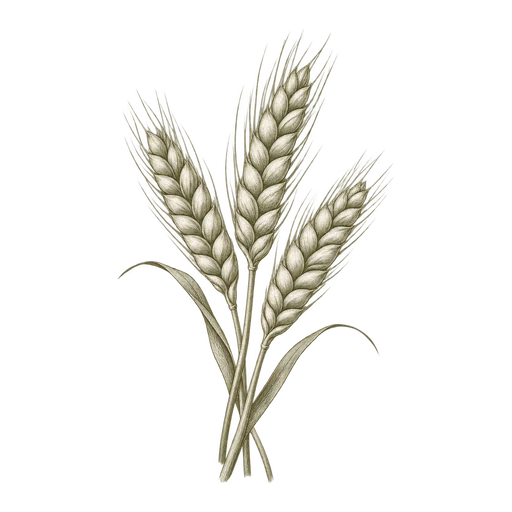
Vital Wheat Gluten

Vital wheat gluten is a dried wheat protein ingredient that develops an elastic, cohesive structure when hydrated. Buyers use it in bread, pasta, meat analogues and some feed formulations; compare its functional properties and quality analysis against the process before choosing a bulk product.

Explore ingredient

A diverse group of bulk ingredients

Bulk sourcing is not a single product category: these ingredients differ in origin, processing, physical form and likely use. Poultry meal is a rendered animal protein, while vital wheat gluten is a concentrated wheat protein. Rapeseed names an oilseed, but does not by itself establish whether an offer is seed, meal or another form.

Sweet potato can be supplied as fresh roots, dried meal or a processing by-product; those forms have different handling needs. The supplied name Raw Pickouts does not identify the material or species on its own. Confirm its full identity before evaluating quality or suitability.

Start with identity, then compare specifications

For each offer, match the product name to its source material, processing method and physical form. This is especially important when a broad commodity name could refer to distinct products. Do not assume poultry meal and poultry by-product meal are interchangeable, or that rapeseed and rapeseed meal describe the same material.

Use measures relevant to the specific ingredient and intended application. For example, moisture and protein are important specification points for vital wheat gluten; rapeseed meal may require attention to protein, fiber, residual oil and glucosinolates. Compare analytical results only when their basis—such as as-fed or dry matter—is clear.

Plan for delivery and handling

A bulk purchase also has to fit the receiving site. Confirm the offered form, packaging or delivery method, unloading requirements, storage conditions and any moisture or contamination controls that apply to the lot. Fresh sweet-potato roots require handling suited to fresh produce; storage guidance for roots should not be carried over to dried products.

For feed uses, evaluate ingredient fit within the relevant species-specific formulation rather than relying on crude protein alone. For food uses, confirm that the offered ingredient and its documentation meet the requirements for the intended market.

Common questions.

What should I clarify when buying rapeseed in bulk?+

Confirm whether the offer is seed, meal or another form, and identify the processing method if it is meal. Those details affect which specifications are relevant.

Are fresh sweet potatoes and sweet-potato meal handled the same way?+

No. Fresh roots and dried meal are different forms with different storage and handling needs. Verify the form before planning receipt or storage.

Can poultry meal and poultry by-product meal be treated as the same ingredient?+

No. They have distinct ingredient definitions. Check the exact product name and its applicable nutrient specifications.

What does Raw Pickouts refer to?+

The name alone does not establish the material or species. Confirm the full identity, processing and intended market before assessing the offer.

Bulk sourcing · BUYER INSIGHTS

Go deeper before you source.

Focused guides to the specification, application, and delivery questions behind this ingredient.

FIELD GUIDE01Bulk sourcing
Buyer’s guide

Planning receipt and storage of bulk vital wheat gluten

Prepare to receive bulk vital wheat gluten powder by matching the offered packaging to your unloading equipment, protecting the ingredient from moisture and odors, and following the product-specific storage directions.

Read this Insight
FIELD GUIDE02Bulk sourcing
Buyer’s guide

Vital wheat gluten as a binder in aquaculture feed

Hydrated vital wheat gluten can contribute protein and binding in extruded fish feed, but pellet performance and nutritional suitability depend on the complete formulation and process.

Read this Insight
FIELD GUIDE03Bulk sourcing
Buyer’s guide

How to compare vital wheat gluten protein and functional tests

Protein results for vital wheat gluten are comparable only when the nitrogen conversion factor and reporting basis match. Learn how to interpret moisture, ash, particle size and water-binding tests against a defined use and a lot-specific specification.

Read this Insight
FIELD GUIDE04Bulk sourcing
Buyer’s guide

Sweet potato bulk storage and receiving for wet and dry forms

Fresh vines, wet processing residues, ensiled mixtures and dried sweet potato roots differ in moisture, preservation and handling. Match the product identity and delivery condition to your facility’s unloading and storage capabilities.

Read this Insight
FIELD GUIDE05Bulk sourcing
Buyer’s guide

Sweet potato roots versus vines in feed formulations

Sweet potato roots and vines serve different roles in feed formulations. Learn what to compare in each material’s analysis before sourcing the plant part that fits your ration.

Read this Insight
FIELD GUIDE06Bulk sourcing
Buyer’s guide

How to compare sweet potato feed analysis by form

Compare sweet potato feed forms on a like-for-like basis: identify the material, account for moisture, review relevant nutrient measures, and add fermentation results when evaluating silage.

Read this Insight