Independent sourcing. Better connections.Commercial buyers · Bulk ingredients
tag

Bulk feed logistics

Bulk feed logistics covers how varied feed-related materials are transported, received, sampled and stored—not one uniform ingredient type. This collection includes materials such as beets, brewer’s grain, cottonseed meal, catfish meal and dried molasses. The practical decisions are whether a load fits the receiving setup, how its lot analysis compares on a consistent basis, and what freight and storage add to its delivered cost.

13 ingredients6 published Insights
EXPLORE THE COLLECTION

Bulk feed logistics ingredients

Dried Vegetables

Beets

Sugar beet pulp is the fibrous residue left after sugar extraction and is used in livestock feed. Buyers can source moist pressed or dried shredded and pelleted forms; moisture, analysis and receiving needs determine which form fits a feed program.

Explore ingredient
Animal Products

Bison Meal

Bison meal can mean rendered meat meal, meat-and-bone meal, or bone meal—distinct products with different composition and analysis needs. Define the ingredient type and intended use before comparing lot results or arranging a bulk shipment.

Explore ingredient
Feed Ingredients

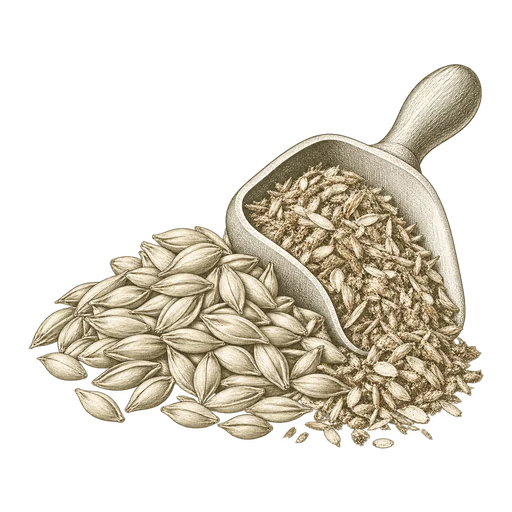
Brewer’s Grain

Brewer’s grain, or brewers’ spent grain, is a brewing co-product used particularly in cattle feed. Wet and dried forms differ in moisture, transport burden and storage needs; compare the offered form and lot analysis with your ration and receiving setup.

Explore ingredient
Dried Vegetables

Cabbage

Cabbage feed can mean whole cull vegetables or leaves and cores from sauerkraut processing. These high-moisture materials differ in composition and handling, so compare the specific stream, current analysis and receiving plan before buying for cattle.

Explore ingredient
Animal Products

Catfish Meal

Catfish meal is a rendered feed ingredient made from catfish-processing byproducts. Because raw materials and processing can differ, compare the declared identity, lot analysis and test basis before evaluating its role in a feed formulation.

Explore ingredient
Feed Ingredients

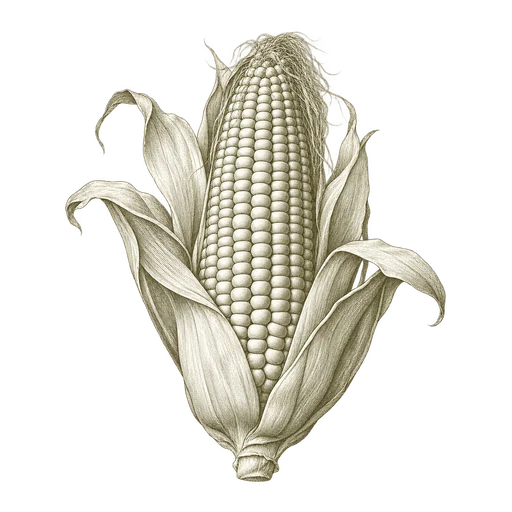
Corn Gluten Meal

Corn gluten meal is a corn wet-milling coproduct used as a concentrated plant-protein ingredient in poultry feed and pet food. Compare the offered form, protein and amino-acid analysis, moisture basis, and xanthophyll when relevant to the formulation.

Explore ingredient
Feed Ingredients

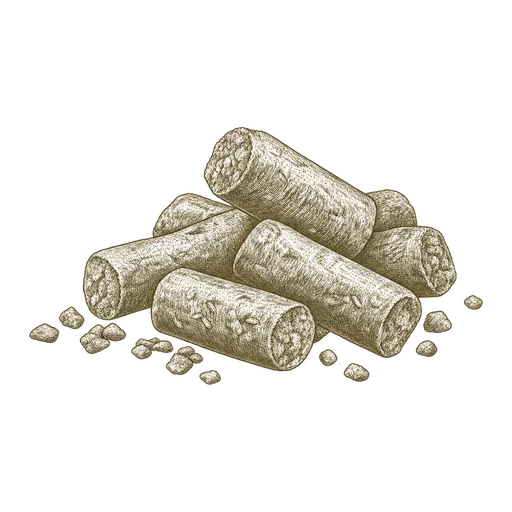
Cottonseed Hull Pellets

Cottonseed hull pellets are a pelleted cotton-processing co-product used as roughage in cattle diets. Compare the actual ingredient declaration and lot analysis, and match the product's physical characteristics to your ration and receiving setup.

Explore ingredient
Feed Ingredients

Cottonseed Meal

Cottonseed meal is a protein-containing co-product of cottonseed oil extraction used in animal feed. Processing affects its composition and gossypol characteristics, so compare a lot’s analysis and intended-species requirements before choosing an offer.

Explore ingredient
Feed Ingredients

Dried Molasses

Dried molasses is a livestock-feed ingredient that can differ in crop source, carrier and added ingredients. Compare the full formulation and dried-product analysis to determine how it fits a feed ration and bulk receiving plan.

Explore ingredient
Feed Ingredients

Fish Meal

Fish meal is a dried, ground feed ingredient made from whole fish, fish parts or processing residues. Used in livestock and aquaculture feeds, it varies with raw material and processing, so compare lot analysis, product identity and handling details before arranging a bulk shipment.

Explore ingredient
Feed Ingredients

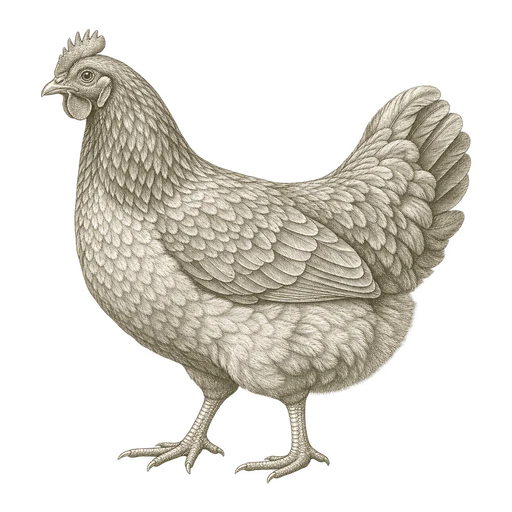
Poultry Meal

Poultry meal is a rendered, ground ingredient used in formulated animal diets. Its declared identity and lot analysis matter: compare protein, fat, minerals, moisture and, where relevant, amino-acid information before choosing an offer.

Explore ingredient
Animal Products

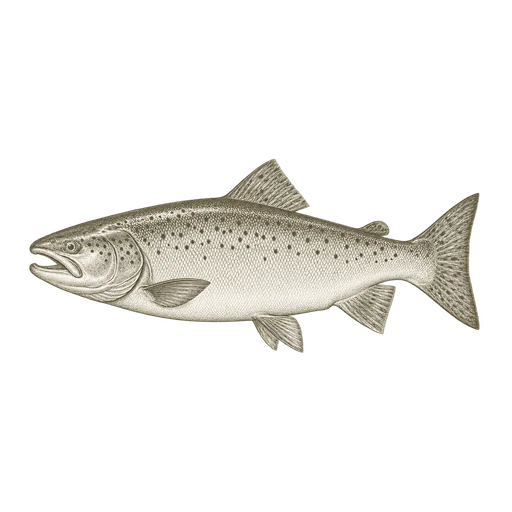
Salmon Meal

Salmon meal is dried, ground fish material used in aquaculture and animal feed formulations. Compare species identity, processing, and the offered analysis to determine how the meal fits your feed program and handling setup.

Explore ingredient

A logistics label, not a uniform ingredient class

This collection brings together bulk transport, receiving and storage considerations for feed-related materials with different physical and nutritional profiles. Beets, cabbage, brewer’s grain, dried molasses, corn gluten meal, cottonseed meal and cottonseed hull pellets are not interchangeable materials; bison meal and catfish meal are animal-derived meals with their own identity and handling requirements. The shared logistics focus does not establish that these products have the same form, moisture, density or flow behavior.

Match the load to the receiving setup

Confirm the offered form and delivery method before planning a load. Check that vehicle access, receiving-bin capacity, outlets and conveying equipment fit the material and unloading method. Storage capacity depends on usable volume as well as the delivered material’s bulk density and flow behavior, so generic assumptions can lead to a poor fit. Plan unloading around site-specific hazards; never enter flowing bulk material or attempt to clear a bridge without appropriate safety procedures.

Compare lots by analysis and landed cost

Request lot identification and current analysis, including moisture where relevant, and compare nutrient values on the same basis—especially whether figures are as received or on a dry-matter basis. For variable-moisture materials such as brewer’s grain, moisture affects the amount of dry matter delivered and the storage plan. Evaluate freight, unloading compatibility, storage capacity and expected turnover alongside the quoted unit price. Storage conditions and handling plans should match the specific material and lot condition.

Common questions.

What should I confirm before arranging a bulk feed delivery?+

Confirm the ingredient identity and form, lot analysis, quantity, unloading method, vehicle access and compatibility with receiving equipment.

How can I compare two loads with different moisture levels?+

Compare dry matter and nutrient values on a consistent basis, then account for freight, unloading and storage costs.

Can brewer’s grain be stored like a dry meal?+

Do not assume so. Its moisture can vary, so confirm the lot condition, planned use rate and suitable storage method.

What determines how much storage capacity a load needs?+

Delivered quantity, usable bin capacity, bulk density, flow behavior and expected inventory turnover all affect the fit.

Bulk feed logistics · BUYER INSIGHTS

Go deeper before you source.

Focused guides to the specification, application, and delivery questions behind this ingredient.

FIELD GUIDE01Bulk feed logistics
Buyer’s guide

Soybean Meal Bulk Receiving and Storage: Questions for Buyers and Facilities

A practical pre-shipment guide to coordinating bulk soybean meal delivery, receiving equipment, lot paperwork, sampling and dry, clean storage.

Read this Insight
FIELD GUIDE02Bulk feed logistics
Buyer’s guide

Evaluating Soybean Meal for Dairy Cattle Rations: A Formulation Checklist

A dairy ration decision starts with the complete diet: forage, animal group, other protein sources, and the nutritionist’s nutrient and amino-acid targets. This checklist explains how to evaluate soybean meal’s role and what offer details to discuss before sourcing.

Read this Insight
FIELD GUIDE03Bulk feed logistics
Buyer’s guide

How to Compare Soybean Meal Protein Values on As-Fed and Dry-Matter Bases

Soybean meal protein percentages reported as-fed and on a dry-matter basis cannot be compared directly. Align moisture, reporting basis, method information, and the context of each COA before evaluating supplier values.

Read this Insight
FIELD GUIDE04Bulk feed logistics
Buyer’s guide

Planning salmon meal receiving, storage, and handling

Plan salmon meal receiving around your facility’s unloading setup, then protect the ground meal from moisture, condensation, heat, and unnecessary air exposure. Package condition and storage history help make a receiving inspection meaningful.

Read this Insight
FIELD GUIDE05Bulk feed logistics
Buyer’s guide

Using salmon meal in aquaculture feed formulations

A practical look at how aquaculture nutritionists evaluate salmon meal identity, lot analysis and fat level against the needs of a specific species and life stage.

Read this Insight
FIELD GUIDE06Bulk feed logistics
Buyer’s guide

How to compare salmon meal specifications and analysis

A practical guide to comparing salmon meal analyses, interpreting reported values and identifying the product details to verify before sourcing.

Read this Insight