Grains
Alfalfa
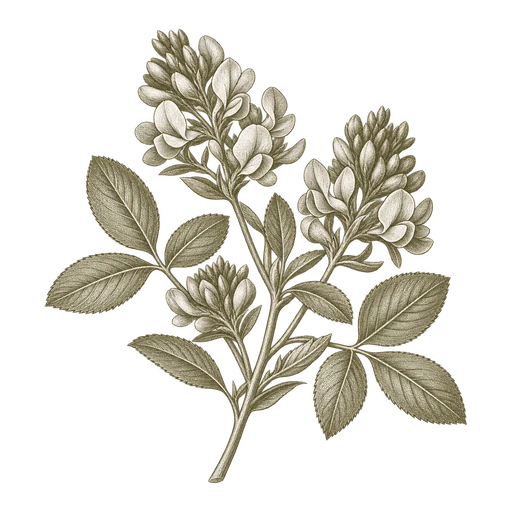
Alfalfa is a forage legume sourced as hay, silage, meal or pellets for livestock feed. Match the form to receiving and ration needs, then compare a lot-specific analysis on a consistent basis.
Explore ingredientCompare poultry meal offers by first aligning ingredient identity and analytical basis, then reviewing protein, fat, ash, moisture and mineral values together. Use the lot analysis to check the shipment under consideration, and request amino-acid or digestibility detail when it informs the formulation.
Before comparing numbers, make sure each offer describes the same ingredient. “Poultry meal” can be used as a broad product name, but the declared ingredient identity and description of the source material provide important context. Ask what the product is called in the supplier’s specification and how its source materials are described. Do not assume that similarly named meals have identical compositions.
This first check matters because a nutrient figure has meaning only in relation to the material it describes. If two offers use different identity descriptions or source-material wording, treat them as distinct until the difference is clear. Compare the specification with the lot analysis so you know whether the analysis applies to the same product description and shipment being quoted.
Crude protein is a central comparison field, but it does not describe the entire nutritional profile. Review it alongside fat and ash: fat contributes energy, while ash represents the material’s total mineral residue. A higher protein figure alone does not establish that one lot is a better fit if fat, ash or other constraints also affect the formulation.
These values are most useful when the offers report them on the same basis. Check whether figures are reported as received (as-fed) or on a dry-matter basis. Moisture changes the proportion of nutrients in a given weight of material, so figures on different bases cannot be compared directly without adjustment. If the basis is missing or unclear, request clarification rather than treating the displayed percentages as equivalent.
Moisture helps explain the as-fed concentration of the other reported components and is also relevant to receiving and storage decisions. Compare moisture alongside the analytical basis, not as an isolated number. For formulation work, a moisture difference can change the amount of dry nutrients delivered in a given shipment weight.
Calcium and phosphorus merit separate attention because they identify important mineral contributions that crude protein and total ash do not. Compare both values when the ration or finished-feed specification depends on mineral balance. Confirm how each is expressed and whether the analysis gives total values; do not infer availability or nutritional equivalence from calcium and phosphorus totals alone.
Amino-acid information becomes more useful when the formulation depends on particular amino acids rather than crude protein alone. Ask for the specific amino-acid values your nutritionist needs and check that the supplier’s analysis actually reports them. A protein percentage cannot substitute for an amino-acid profile.
Digestibility information can help evaluate how much of a nutrient may be available for use, but the result depends on the reported measure and test method. Treat digestibility figures as comparable only when their definitions and methods are clear and sufficiently alike for your purpose. If your formulation does not use these measures, they may add complexity without resolving the main comparison.
A product specification describes the stated product requirements or characteristics; a lot analysis reports results for a particular lot. For a bulk purchase, read both. Check that the analysis identifies the lot being offered, includes the fields important to your formulation, and uses the same units and analytical basis as the specification.
Build a side-by-side comparison with ingredient identity, source-material description, protein, fat, ash, moisture, calcium, phosphorus and the reporting basis. Add amino-acid or digestibility fields when they affect the application. Values must come from the actual specification and lot analysis, not from assumed reference figures: no single set of figures should be treated as a market guarantee for poultry meal. Once you have defined the analysis you need, visit the [Poultry Meal page](/ingredients/poultry-meal) to explore sourcing.
As-fed and dry-matter figures describe nutrient concentrations on different bases. Moisture affects the as-fed concentration, so compare offers on the same basis or have the values converted before drawing conclusions.
Not by itself. Compare protein with fat, ash, moisture and, where relevant, calcium and phosphorus. Request amino-acid or digestibility information when those measures affect the formulation.
A specification describes the product’s stated characteristics or requirements; a lot analysis reports results for a particular lot. Review both and make sure the analysis corresponds to the lot being offered.
Focused guides to the specification, application, and delivery questions behind this ingredient.
Plan bulk poultry meal receiving around the order quantity, delivery location, packaging and unloading equipment your facility can handle. Protect the dry meal from moisture, inspect packaging on arrival and use the storage guidance for the specific product.
Read this InsightCrude protein is only a starting point when evaluating poultry meal for a formulated diet. Mineral contribution, amino-acid information and digestibility help a formulator assess how the specific product may fit the intended formula.
Read this InsightAlfalfa is a forage legume sourced as hay, silage, meal or pellets for livestock feed. Match the form to receiving and ration needs, then compare a lot-specific analysis on a consistent basis.
Explore ingredientAlfalfa meal is ground forage used in animal feed, with sun-cured and dehydrated processing routes and meal or pellet forms. Compare the offered process, physical form and analysis against the needs of the species and feed formulation.
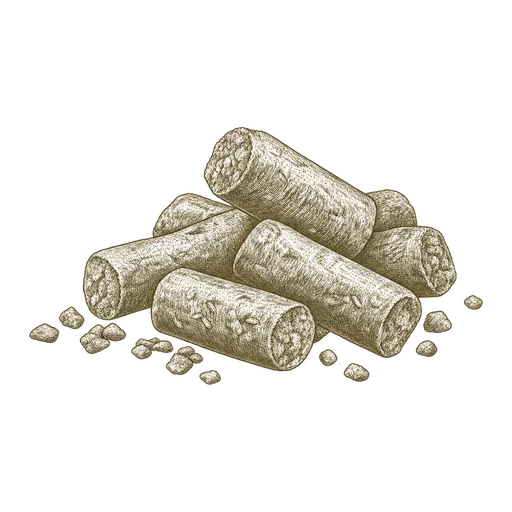
Explore ingredientAlfalfa pellets are ground, compressed forage used in livestock feeding and compound feeds. Compare the drying process, alfalfa material, forage analysis and pellet characteristics to choose a form that fits your ration and receiving setup.
Explore ingredientAlmond hulls are the dried outer layer of the almond fruit, sourced for ruminant feed as hull-only material or as a hull-and-shell mixture. Compare the lot’s composition, physical form, and handling needs before arranging a bulk shipment.
Explore ingredient