Independent sourcing. Better connections.Commercial buyers · Bulk ingredients
topic

Rendered protein specifications

A buyer-focused overview of how rendered meal ingredients differ from porcine plasma and which specification details make bulk offers comparable.

5 ingredients6 published Insights
EXPLORE THE COLLECTION

Rendered protein specifications ingredients

Animal Products

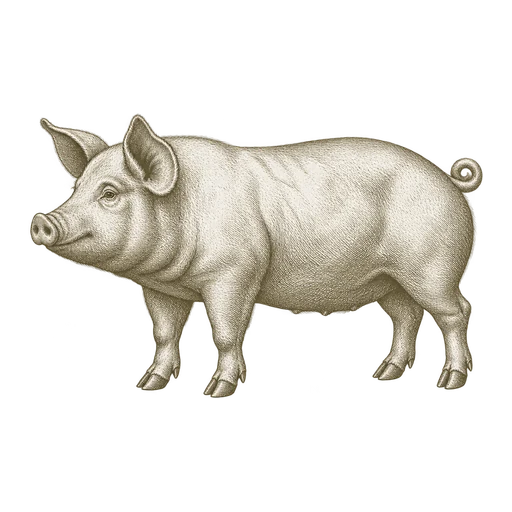
Porcine Meat Meal

Porcine meat meal is a rendered animal-protein ingredient identified as pig-derived. Compare documented product identity, nutrient and mineral analysis, and any amino-acid data needed for the intended feed formulation.

Explore ingredient

Animal Products

Porcine Plasma

Spray-dried porcine plasma is a pig-blood plasma fraction used in animal-feed formulation, with the clearest application evidence in early-weaned pig diets. Compare the ingredient identity, product-specific analysis and handling requirements before arranging a bulk order.

Explore ingredient
Feed Ingredients

Pork Meal

Pork meal is rendered, ground pork-derived material used in animal-feed and pet-food manufacturing. Confirm whether bone is included, compare the offered lot analysis on a consistent basis, and match the form and handling details to your facility.

Explore ingredient
Feed Ingredients

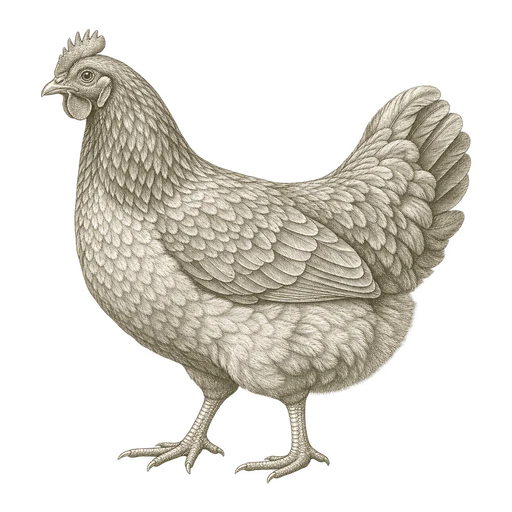
Poultry Meal

Poultry meal is a rendered, ground ingredient used in formulated animal diets. Its declared identity and lot analysis matter: compare protein, fat, minerals, moisture and, where relevant, amino-acid information before choosing an offer.

Explore ingredient
Animal Products

Venison Meal

Venison meal is a ground deer-derived ingredient used in pet-food formulations. Compare source tissues, bone content, processing and lot-specific analysis to determine whether an offered product fits your formula and receiving requirements.

Explore ingredient

A collection with two distinct product types

Rendered protein specifications cover four meal-labeled ingredients—Porcine Meat Meal, Pork Meal, Poultry Meal and Venison Meal—alongside Porcine Plasma. The meals are dry, ground animal-protein ingredients, while plasma is a blood-derived fraction commonly spray-dried. They are different materials and processing streams, not interchangeable forms of one product.

Names matter, but a catalog name alone does not establish the official ingredient identity, species controls, raw-material exclusions or manufacturing process. In particular, do not assume Pork Meal and Porcine Meat Meal are equivalent, or assign a precise technical definition to Venison Meal without its product documentation.

Compare the specification, not just protein

For meals, review crude protein alongside moisture, fat, fiber, ash, calcium and phosphorus. Particle size and, where relevant to the formulation, amino-acid profile and digestibility measures can also help distinguish products. Differences in species, bone contribution and processing can matter to the finished diet.

For Porcine Plasma, confirm that the material is plasma rather than blood cells, and review species of origin, drying method, moisture, protein and ash. Solubility or other functional measures may be useful when the formulation depends on them. Do not treat published composition or feeding research as a guarantee for a specific lot.

Make values comparable before buying in bulk

Check whether values are reported as-fed or on a dry-matter basis, which analytical methods were used, and whether figures are typical or guaranteed limits. Review the current lot certificate of analysis and confirm identity, particle size, packaging, storage conditions, traceability and applicable feed-safety documentation. These details help determine whether an offered material fits your formulation and receiving requirements.

Common questions.

Are all five ingredients rendered meals?+

No. The four meal-labeled ingredients are meals; Porcine Plasma is a blood-derived fraction, commonly spray-dried.

Are Pork Meal and Porcine Meat Meal necessarily the same?+

No. Their names alone do not establish identical ingredient definitions, species controls or production processes. Compare the official identity and producer specification.

Is crude protein enough to compare these ingredients?+

No. Also consider moisture, fat, ash, minerals and, where relevant, amino-acid, digestibility or functional measures.

How can I compare reported values across offers?+

Confirm the reporting basis, analytical method and whether each value is typical or a guaranteed limit before comparing specifications.

Rendered protein specifications · BUYER INSIGHTS

Go deeper before you source.

Focused guides to the specification, application, and delivery questions behind this ingredient.

FIELD GUIDE01Rendered protein specifications
Buyer’s guide

Planning bulk receiving and storage for venison meal

Plan bulk venison meal receiving around your actual quantity, destination, packaging needs and unloading setup. Verify product-specific density, flow and storage instructions before committing facility capacity.

Read this Insight
FIELD GUIDE02Rendered protein specifications
Buyer’s guide

What to evaluate when using venison meal in dog food

A practical evaluation of venison meal in dog-food formulation, covering lot composition, analytical basis, bone content and the ingredient’s role in the complete recipe.

Read this Insight
FIELD GUIDE03Rendered protein specifications
Buyer’s guide

How to read a venison meal specification for bone content

Interpret venison meal bone content by combining a clear ingredient and tissue description with ash, calcium, phosphorus, analytical basis, and lot-specific results. No single mineral value establishes bone percentage.

Read this Insight
FIELD GUIDE04Rendered protein specifications
Buyer’s guide

Planning bulk poultry meal receiving and storage

Plan bulk poultry meal receiving around the order quantity, delivery location, packaging and unloading equipment your facility can handle. Protect the dry meal from moisture, inspect packaging on arrival and use the storage guidance for the specific product.

Read this Insight
FIELD GUIDE05Rendered protein specifications
Buyer’s guide

Poultry meal in feed formulation: what the analysis tells you

Crude protein is only a starting point when evaluating poultry meal for a formulated diet. Mineral contribution, amino-acid information and digestibility help a formulator assess how the specific product may fit the intended formula.

Read this Insight
FIELD GUIDE06Rendered protein specifications
Buyer’s guide

How to compare poultry meal specifications and lot analysis

Compare poultry meal offers by first aligning ingredient identity and analytical basis, then reviewing protein, fat, ash, moisture and mineral values together. Use the lot analysis to check the shipment under consideration, and request amino-acid or digestibility detail when it informs the formulation.

Read this Insight