Independent sourcing. Better connections.Commercial buyers · Bulk ingredients
topic

Bulk feed ingredient handling

Bulk feed handling decisions for dried mealworms, pork meal, poultry meal and salmon meal start with identifying the exact product—not treating all protein meals as equivalent. Compare lot documentation and analytical basis, then confirm delivery form, unloading arrangements and compatibility with your receiving equipment. The supplied ingredients are collection examples; membership does not indicate current availability.

4 ingredients6 published Insights
EXPLORE THE COLLECTION

Bulk feed ingredient handling ingredients

Animal Products

Dried Mealworms

Dried mealworms are Tenebrio molitor larvae supplied whole or ground into meal and powder for animal-feed applications. Choose the form to fit receiving and mixing needs, and compare nutrient analysis on a consistent basis because processing and test methods affect reported composition.

Explore ingredient
Feed Ingredients

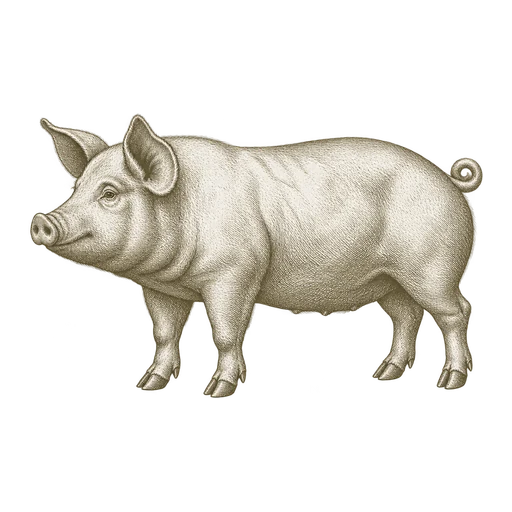
Pork Meal

Pork meal is rendered, ground pork-derived material used in animal-feed and pet-food manufacturing. Confirm whether bone is included, compare the offered lot analysis on a consistent basis, and match the form and handling details to your facility.

Explore ingredient
Feed Ingredients

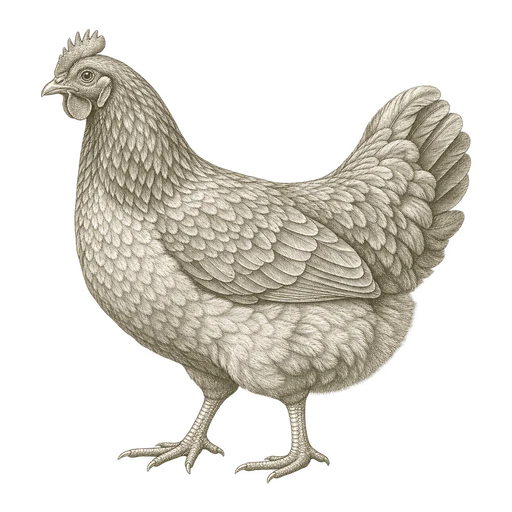
Poultry Meal

Poultry meal is a rendered, ground ingredient used in formulated animal diets. Its declared identity and lot analysis matter: compare protein, fat, minerals, moisture and, where relevant, amino-acid information before choosing an offer.

Explore ingredient
Animal Products

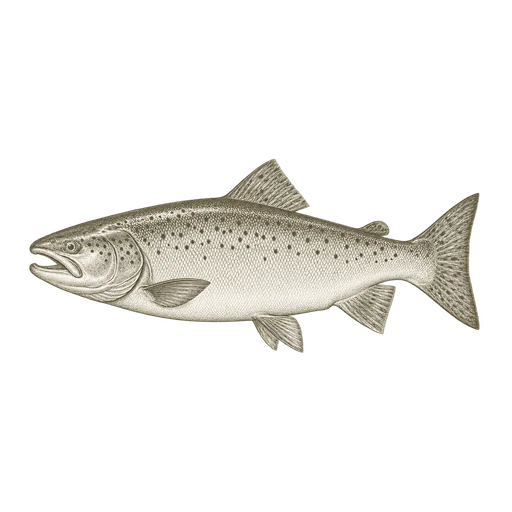
Salmon Meal

Salmon meal is dried, ground fish material used in aquaculture and animal feed formulations. Compare species identity, processing, and the offered analysis to determine how the meal fits your feed program and handling setup.

Explore ingredient

Different ingredients, different identities

This collection brings together dried mealworms and animal-derived meals used in feed and animal-food supply chains. The products are not interchangeable simply because they are protein ingredients or arrive in meal form. Dried mealworms are insect larvae; poultry meal is a rendered ingredient with a defined identity distinct from poultry by-product meal. For pork meal and salmon meal, the names alone do not establish the source tissues, species details or processing.

Before comparing offers or considering a substitution, check the full ingredient name, specification and intended application. Confirm that the documented product matches the animal species and life stage in your formulation.

Check the lot before you plan a bulk order

Request a lot-specific certificate of analysis and confirm moisture, crude protein, crude fat and ash, plus calcium and phosphorus where relevant. Check whether results are stated as-fed or on a dry-matter basis, and match the analysis to the lot being offered. A typical analysis can help with initial comparison, but it is not a guarantee for each shipment; use lot data for formulation and agreed acceptance criteria.

For salmon meal, ask which freshness or oxidation measures are available and what the product specification requires. Do not assume a universal threshold. Likewise, verify the precise dried-mealworm form rather than applying a specification for a particular mealworm meal to every product called dried mealworms.

Match delivery and storage to your equipment

Confirm whether the material will arrive loose or bagged, how it will be unloaded, and whether your receiving bin and discharge equipment suit the product. Particle size and flow behavior are product- and site-specific; do not assume the four ingredients will move alike through a silo or auger.

Keep stored feed ingredients clean, dry and protected from pests. Inspect deliveries for contamination, caking, unusual odor or visible mold, and monitor stored material for heating or spoilage. Agree in advance on sampling, acceptance and handling of material that falls outside the purchase specification.

Common questions.

Are poultry meal and poultry by-product meal the same ingredient?+

No. They have distinct ingredient identities and source-material definitions. Verify the exact name on the specification before comparing or substituting.

Does every dried mealworm product meet the same meal specification?+

No. A specification for a defined dried, partly defatted mealworm meal applies to that particular form, not automatically to all dried mealworms.

Can I formulate from a typical analysis?+

Use it for preliminary comparison, then use lot-specific analysis and the correct analytical basis for formulation.

What should I confirm before bulk delivery?+

Check lot documentation, packaging, unloading method, receiving-bin and discharge compatibility, and agreed acceptance criteria.

Bulk feed ingredient handling · BUYER INSIGHTS

Go deeper before you source.

Focused guides to the specification, application, and delivery questions behind this ingredient.

FIELD GUIDE01Bulk feed ingredient handling
Buyer’s guide

Planning salmon meal receiving, storage, and handling

Plan salmon meal receiving around your facility’s unloading setup, then protect the ground meal from moisture, condensation, heat, and unnecessary air exposure. Package condition and storage history help make a receiving inspection meaningful.

Read this Insight
FIELD GUIDE02Bulk feed ingredient handling
Buyer’s guide

Using salmon meal in aquaculture feed formulations

A practical look at how aquaculture nutritionists evaluate salmon meal identity, lot analysis and fat level against the needs of a specific species and life stage.

Read this Insight
FIELD GUIDE03Bulk feed ingredient handling
Buyer’s guide

How to compare salmon meal specifications and analysis

A practical guide to comparing salmon meal analyses, interpreting reported values and identifying the product details to verify before sourcing.

Read this Insight
FIELD GUIDE04Bulk feed ingredient handling
Buyer’s guide

Planning bulk poultry meal receiving and storage

Plan bulk poultry meal receiving around the order quantity, delivery location, packaging and unloading equipment your facility can handle. Protect the dry meal from moisture, inspect packaging on arrival and use the storage guidance for the specific product.

Read this Insight
FIELD GUIDE05Bulk feed ingredient handling
Buyer’s guide

Poultry meal in feed formulation: what the analysis tells you

Crude protein is only a starting point when evaluating poultry meal for a formulated diet. Mineral contribution, amino-acid information and digestibility help a formulator assess how the specific product may fit the intended formula.

Read this Insight
FIELD GUIDE06Bulk feed ingredient handling
Buyer’s guide

How to compare poultry meal specifications and lot analysis

Compare poultry meal offers by first aligning ingredient identity and analytical basis, then reviewing protein, fat, ash, moisture and mineral values together. Use the lot analysis to check the shipment under consideration, and request amino-acid or digestibility detail when it informs the formulation.

Read this Insight