Ingredient storage brings together bulk products in substantially different forms, from oat flour, pea protein, and starches to cracked corn, pecan pieces, pellets, meals, and salmon oil. The tag is an organizational aid, not a shared storage specification. Buyers should match storage planning to the exact ingredient and lot, and confirm the product’s form, documentation, packaging, and stated conditions before purchase.
Bovine colostrum powder is a dried ingredient that can differ in IgG content, fat, lactose and processing. Compare the specific form, lot analysis and intended-use documentation before arranging a bulk order.
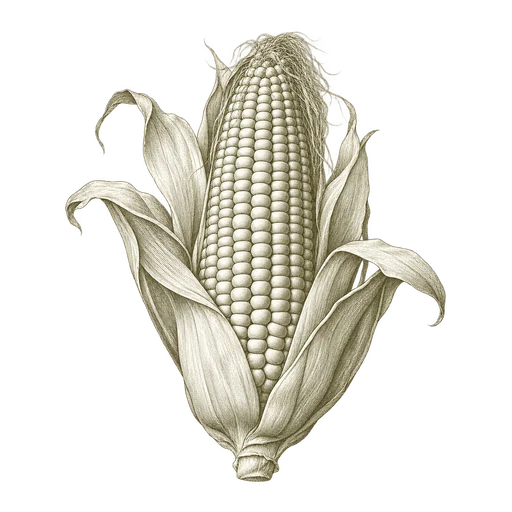
Cracked corn is mechanically broken corn grain used as an energy ingredient in livestock feed. Compare particle size, fines and lot analysis with the ration and receiving system before arranging a bulk order.
Cranberry powder may be ground whole fruit, dried juice pomace or a pomace extract, and those forms differ in composition and use. Compare ingredient declarations, processing and relevant quality measures before choosing a bulk product for a food formulation.
Dried mealworms are Tenebrio molitor larvae supplied whole or ground into meal and powder for animal-feed applications. Choose the form to fit receiving and mixing needs, and compare nutrient analysis on a consistent basis because processing and test methods affect reported composition.
Oat flour is milled oats used in bakery products, cereals, bars, batters and other food formulations. Processing and particle size affect how it blends and performs, so compare the offered flour’s preparation, analysis and grind with your recipe and receiving requirements.
Pea fiber is sourced from different pea fractions and processing streams, so its fiber profile and water-binding behavior can vary. Identify the material and compare its analysis and functional properties against the intended food application.
Pea hull fiber is milled field-pea seed coat used in food formulations and animal feed. Compare hull identity, fiber analysis basis, particle size and intended grade to choose material that fits the formulation and receiving setup.
Pea protein is a pea-derived food ingredient sold as flour, concentrate, isolate or hydrolysate. Compare the form, protein measurement basis and application-relevant functional data to choose an ingredient for your formulation.
Pea starch is the starch fraction separated from peas and is used for viscosity, gel formation, water retention and texture in food formulations. Processing changes its behavior, so identify the offered form and compare functional properties against your application.
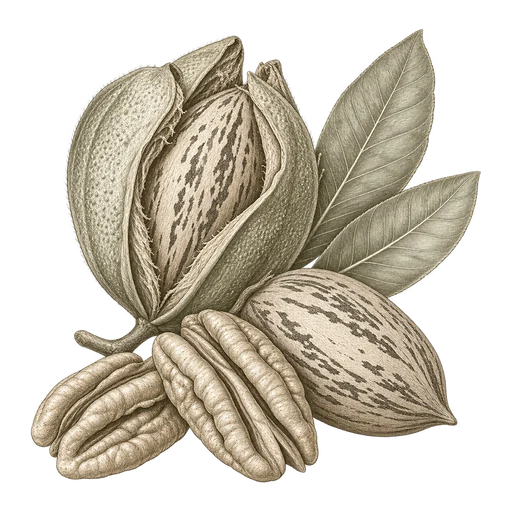
Pecan pieces are broken portions of shelled pecan kernels used in food manufacturing when whole halves are not required. Compare screen size, grade, moisture and defect limits to match the ingredient to its role, appearance and receiving process.
Pine nuts are edible seeds sold shell-on, as shelled kernels or as extracted oil. Species, form and freshness criteria help buyers match the ingredient to food applications such as salads, desserts, sauces and further processing.
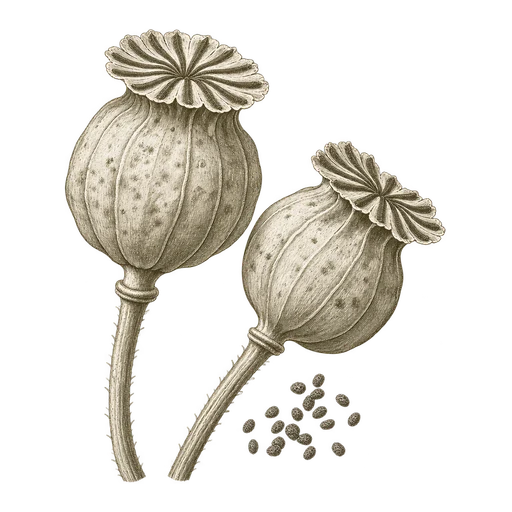
Poppy can refer to whole seed for food uses or to oil-extraction by-products used in feed. Specify whole seed, pressed cake or solvent-extracted meal, then compare intended-use requirements and lot analysis on a consistent basis.
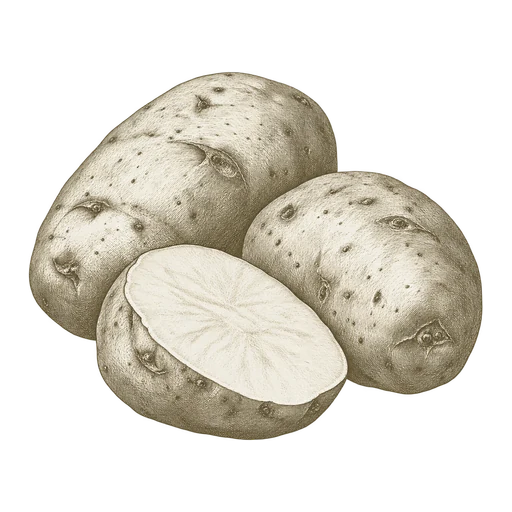
Potato starch is a dried, potato-derived ingredient used in food formulations for thickening, stabilization, gel formation and texture. Identify native or modified form and compare functional specifications against the process and receiving requirements for your bulk order.
Poultry meal is a rendered, ground ingredient used in formulated animal diets. Its declared identity and lot analysis matter: compare protein, fat, minerals, moisture and, where relevant, amino-acid information before choosing an offer.
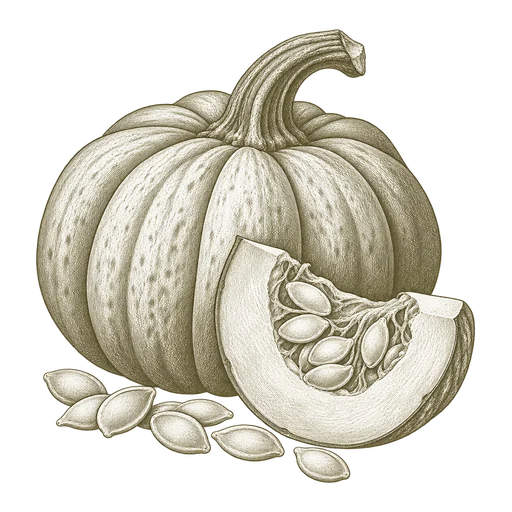
Pumpkin is sourced as distinct ingredients—including pulp, peel, seeds and processing residues—in fresh, dried or other processed forms. Match the plant part and processing method to the intended food or feed use, then compare moisture, particle form and relevant analysis.
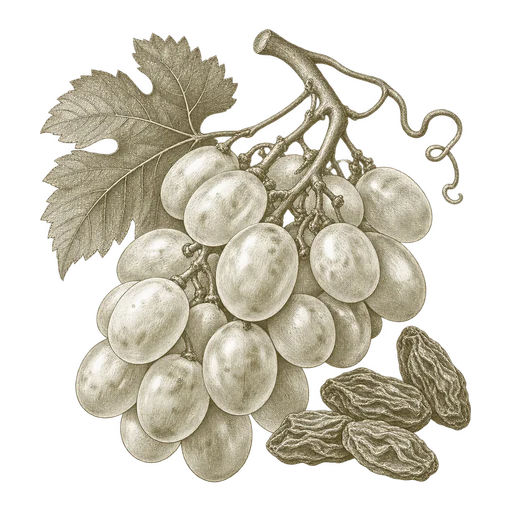
Raisins are dried grapes used in baking, food manufacturing, confectionery and culinary products. Specify grape category, seed status, drying treatment and preparation to match the fruit to your process.
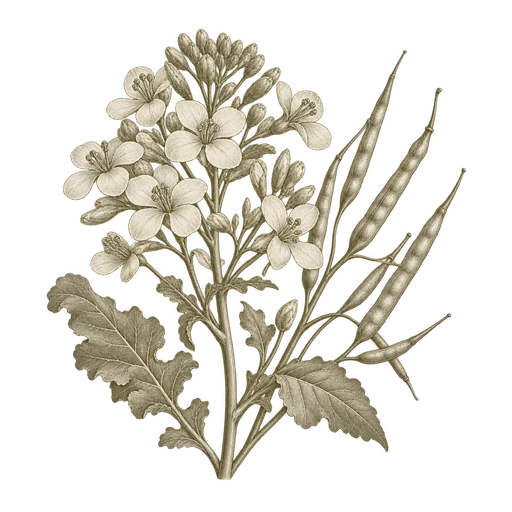
Rapeseed can mean whole seed, oil or oil-extraction meal, and the crop name alone does not establish grade or end use. Compare product identity, intended application and relevant analysis before arranging a bulk purchase.
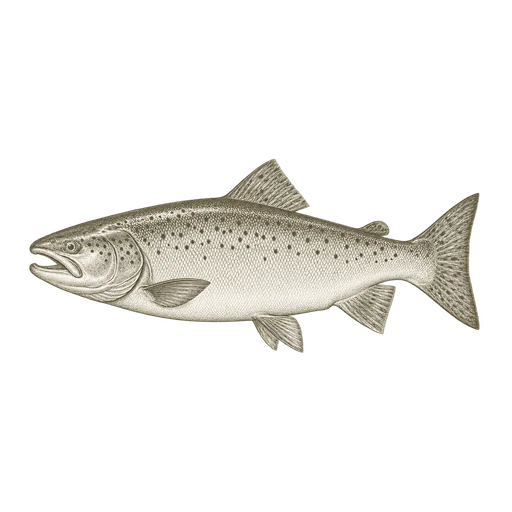
Salmon oil is a fish-derived lipid used as a fat and long-chain omega-3 source in animal-food formulations. Compare source, processing, intended-use grade, fatty-acid profile and oxidation results, then match the offered oil’s packaging and handling directions to your receiving setup.
Soy protein isolate is a highly refined soy ingredient used for protein enrichment and functional roles in formulated foods. Compare the intended grade, lot analysis and application-specific functionality before arranging a bulk order.
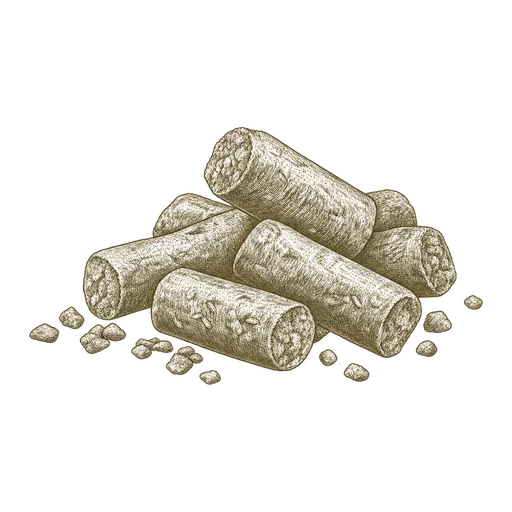
Tapioca pellets are a dried cassava-root feed ingredient used primarily as a carbohydrate and energy source in livestock rations. Their low protein content, variable composition and pellet-handling characteristics make ingredient identity, lot analysis and receiving equipment important parts of a bulk purchase.
Yellow peas are dry field peas sold whole, split or milled into flour for food ingredients and feed. Choose the form for the receiving process, and compare lot quality against the intended use.
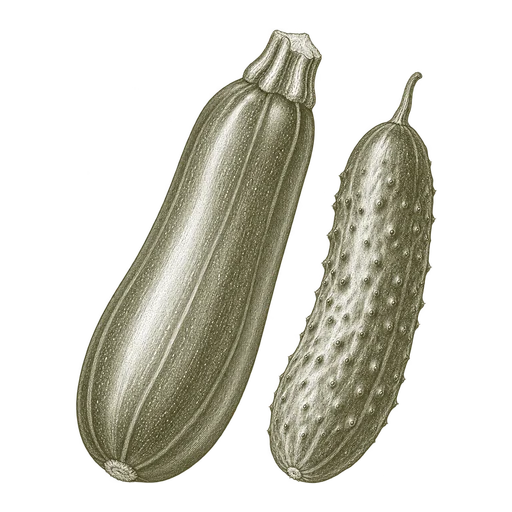
Zucchini is an immature summer squash used in human-food products as fresh fruit, frozen or canned slices, and dried pieces. Choose the form, maturity or cut, and handling requirements to fit the recipe and receiving setup.
This collection spans powders and flours such as oat flour and cranberry powder; fibers and starches such as pea fiber and potato starch; and larger pieces or crop forms such as pecan pieces, tapioca pellets, and cracked corn. Their different physical forms make a single storage rule unsuitable. Confirm the product’s exact form and the supplier’s stated storage conditions for the lot you are buying.
Salmon oil is a useful contrast to dry ingredients: buyers should ask about its recommended conditions rather than applying handling assumptions for powders or grains.
Match storage planning to the product
For dry goods, ask for relevant moisture information and its test basis, packaging details, and protection from moisture and pests during storage and transport. At receiving, check that the product form and lot identification match the order, and inspect packaging for damage or signs of poor condition.
For bulk grain, storage planning also involves cleanliness, airflow, fines, and ongoing condition checks. Grain guidance is crop- and holding-period-specific; wheat targets, for example, are not general limits for cracked corn, peas, meals, or powders.
Confirm the lot and intended use
Ingredient names alone do not establish grade, food or feed suitability, storage history, or shelf life. Before purchase, align the specification sheet and intended market with your receiving and storage setup. Request lot-specific documentation for identity, analysis, packaging, and any stated storage or shelf-life conditions that matter to your use.
Common questions.
Do all ingredients in this collection share the same storage requirements?+
No. The collection includes powders, grains, fibers, starches, pieces, pellets, meals, and oil. Storage conditions should be confirmed for the exact ingredient form and lot.
Can wheat moisture guidance be used for every grain or powder listed here?+
No. Wheat guidance is specific to wheat and stated storage periods; it does not set limits for other grains, meals, or powders. Ask for the applicable specification and test basis.
What should buyers check when a bulk ingredient arrives?+
Compare the product identity, form, and lot details with the order and supplier documents. Inspect packaging and product condition, and review relevant lot-specific moisture or storage information.
Does inclusion in this tag confirm food, feed, or pet-food suitability?+
No. The ingredient name or collection tag does not establish intended use or suitability. Confirm the applicable grade and documentation for your market and application.
Ingredient storage · BUYER INSIGHTS
Go deeper before you source.
Focused guides to the specification, application, and delivery questions behind this ingredient.