Grains
Alfalfa
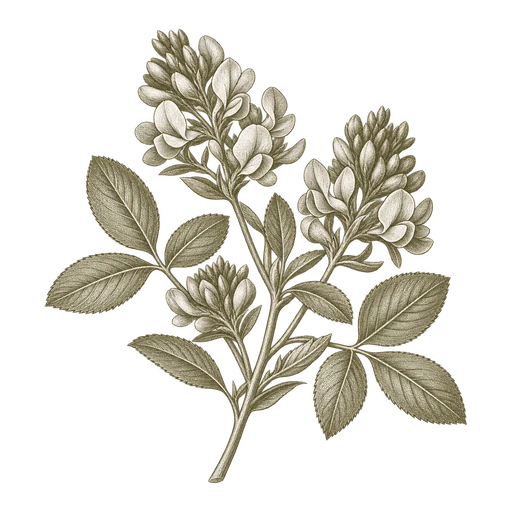
Alfalfa is a forage legume sourced as hay, silage, meal or pellets for livestock feed. Match the form to receiving and ration needs, then compare a lot-specific analysis on a consistent basis.
Explore ingredientProtein percentage is only a starting point when selecting whey protein concentrate for beverages. Compare grade composition and processing information, then test dispersion, texture and stability under your formula’s actual conditions.
Whey protein concentrate (WPC) can contribute protein and functional properties to beverages, but its protein percentage alone does not predict how it will perform in your formula. WPC also contains varying proportions of lactose, minerals and fat, depending on the grade. Those components, along with the protein itself, influence how the ingredient disperses and behaves in a finished drink.
First define the beverage you are making: its target protein level, flavor and texture, acidity, other ingredients, and processing steps. A clear product brief helps you compare grades against the demands of the actual formula rather than treating a higher protein figure as an automatic performance advantage.
Protein percentage describes one part of WPC’s composition. The remaining solids matter too. Lactose, minerals and fat affect the ingredient’s contribution to total solids and can influence taste, body and how the powder fits into a formula. A formulator adjusting one component may therefore need to reassess the balance of the whole beverage.
Compare the grade analysis on a consistent basis and review the measures relevant to your recipe. Ask for the offered ingredient’s composition, including protein and the other major components reported for that grade. Moisture and ash can also help characterize the powder. Treat those values as inputs to selection—not as substitutes for a beverage trial—because composition does not, by itself, establish solubility, heat tolerance or final texture.
WPC is made by concentrating whey and drying the resulting ingredient. Processing conditions can affect the proteins’ state and, in turn, their functional behavior. Two grades with similar protein percentages may not disperse or perform identically if their processing histories differ.
For a beverage, assess practical attributes such as wetting and dispersion, the tendency to form lumps, visible sediment, viscosity, and the texture or appearance of the finished drink. Consider flavor as well: the ingredient must work within the beverage’s overall sensory profile. If the supplier can provide relevant processing or functionality information for the specific grade, use it to guide trial design; do not assume that a general product name guarantees a particular result.
Protein behavior can change with pH, heat and the surrounding formula. Acidic beverages and near-neutral drinks present different formulation conditions, while salts, sweeteners, flavors and other ingredients can also affect the finished system. Heat treatment may change whey proteins, so results from an unheated bench sample do not establish performance after the intended production process.
Build trials around the conditions the product will actually encounter: ingredient addition order, mixing, hydration time, beverage pH, heat exposure and cooling. Evaluate the drink after processing and again at relevant points in its intended use or storage cycle. Record whether the powder disperses consistently and whether the beverage develops sediment, separation, unwanted thickness or sensory changes. No single test condition establishes universal solubility or heat stability.
A useful comparison brings together grade-specific composition, available functionality information and repeatable trials in the intended beverage. If two candidates differ in protein percentage, account for the resulting change in ingredient quantity and total solids when comparing them. Otherwise, the trial may confound grade performance with a different formula.
Before moving from bench work to production, confirm that the material evaluated is the same grade being considered for purchase and that its analysis matches the requirements established for the recipe. For bulk sourcing, specify the beverage application and relevant process conditions when requesting a quote. Once those requirements are defined, the [whey protein concentrate sourcing page] can help you pursue an ingredient for evaluation.
No. Protein percentage does not establish dispersion, heat behavior or finished texture. Compare the complete grade composition and test candidates in the intended formula and process.
Assess powder dispersion, lumping, sediment, viscosity, appearance and flavor under the beverage’s actual pH, mixing and heat conditions. Evaluate the processed beverage, not only a basic powder-and-water sample.
Their proportions of other components can differ, and processing history can affect protein functionality. Similar protein percentages therefore do not guarantee equivalent behavior in a beverage.
Focused guides to the specification, application, and delivery questions behind this ingredient.
Plan whey protein concentrate receiving around your facility’s packaging and unloading capabilities, then protect the powder in dry storage and manage stock using the offered lot’s date information and directions.
Read this InsightWhey protein concentrate grade names offer a quick indication of protein tier, but meaningful comparisons require a shared reporting basis and a broader view of composition. Learn how to read dry-basis and as-sold protein alongside lactose, fat, ash and moisture.
Read this InsightAlfalfa is a forage legume sourced as hay, silage, meal or pellets for livestock feed. Match the form to receiving and ration needs, then compare a lot-specific analysis on a consistent basis.
Explore ingredientAlfalfa meal is ground forage used in animal feed, with sun-cured and dehydrated processing routes and meal or pellet forms. Compare the offered process, physical form and analysis against the needs of the species and feed formulation.
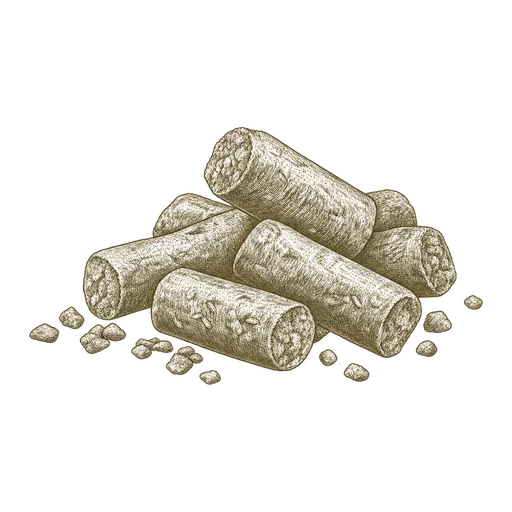
Explore ingredientAlfalfa pellets are ground, compressed forage used in livestock feeding and compound feeds. Compare the drying process, alfalfa material, forage analysis and pellet characteristics to choose a form that fits your ration and receiving setup.
Explore ingredientAlmond hulls are the dried outer layer of the almond fruit, sourced for ruminant feed as hull-only material or as a hull-and-shell mixture. Compare the lot’s composition, physical form, and handling needs before arranging a bulk shipment.
Explore ingredient