Independent sourcing. Better connections.Commercial buyers · Bulk ingredients
tag

Dairy ingredients

Dairy ingredients range from fats, cheeses and milk powders to whey proteins, lactose and permeate. Their source material and processing shape composition and function, so buyers should identify the exact product and compare its specification against the intended formulation and use.

19 ingredients6 published Insights
EXPLORE THE COLLECTION

Dairy ingredients ingredients

Dairy Ingredients

Anhydrous Milk Fat

Anhydrous milk fat (AMF) is concentrated dairy fat used in food processing and culinary applications. Compare its physical form, lot-specific analysis and receiving requirements to find an option that fits your process.

Explore ingredient
Dairy Ingredients

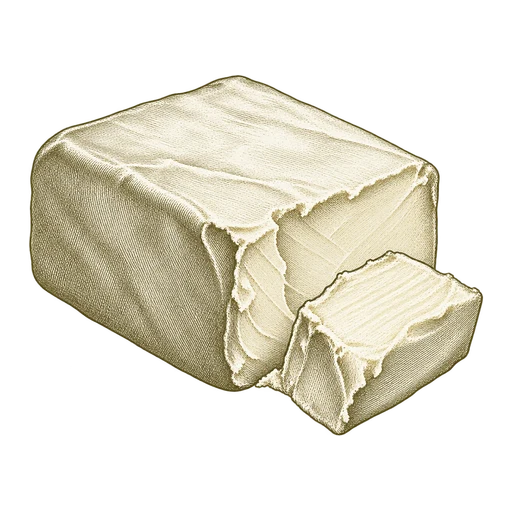
Butter Products

Butter products include churned butter, concentrated milkfat products and formulated powders. Choose the exact form first: composition, recipe role, quality measures and temperature or storage needs differ across these ingredients.

Explore ingredient
Dairy Ingredients

Buttermilk Powder

Buttermilk powder is dried liquid buttermilk used to supply dairy solids and flavor in foods such as baked goods, sauces, beverages and desserts. Compare the product’s starting material, composition and functional properties to match it to the formulation and handling process.

Explore ingredient
Dairy Ingredients

Calf Milk Replacer Ingredients

Calf milk replacer ingredients include protein sources, lactose, fats and premix components used to formulate a dry powder that is mixed with water before feeding. Compare exact material identity, processing and composition because these components are not interchangeable or complete replacers on their own.

Explore ingredient
Dairy Ingredients

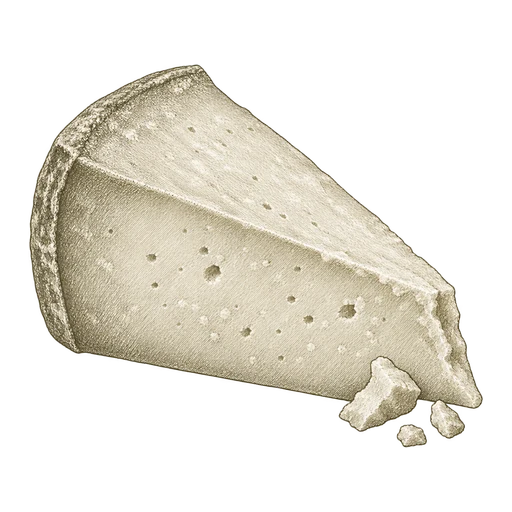
Cheese (All Types)

Cheese is a broad ingredient category ranging from natural and processed products to cheese powder and trimmings. Define the variety, composition and physical form first; cheese powder serves dry food applications, while other forms require specifications matched to their intended process.

Explore ingredient
Dairy Ingredients

Cheese Powders

Cheese powder is a dried cheese or cheese-based ingredient used to add cheese flavor to coatings, dry mixes, sauces and other foods. Cheese style, added ingredients and drying method affect composition and performance, so compare the formulation and functional properties with the needs of your process.

Explore ingredient
Dairy Ingredients

Colostrum Powder

Bovine colostrum powder is a dried ingredient that can differ in IgG content, fat, lactose and processing. Compare the specific form, lot analysis and intended-use documentation before arranging a bulk order.

Explore ingredient
Dairy Ingredients

Milk Permeate

Milk permeate is a lactose- and mineral-rich dairy fraction used in food formulations including baked goods, dairy products, dry mixes and beverages. Bulk buyers can distinguish milk permeate from whey permeate and compare powder composition, reporting basis and handling needs against the intended application.

Explore ingredient
Dairy Ingredients

Non Fat Dry Milk

Non-fat dry milk is a concentrated dairy ingredient used in food manufacturing. Compare instant status, heat class and lot specifications against your process, and account for packaging and dry storage when planning a bulk order.

Explore ingredient
Dairy Ingredients

Sweet Whey

Sweet whey is a cheese-making co-product sold as liquid, concentrate or powder. The form affects composition, receiving and storage, while its lactose, protein, fat and minerals support food manufacturing and selected feed uses.

Explore ingredient
Dairy Ingredients

Whey Powder

Whey powder is a dried dairy ingredient used in food manufacturing and animal feed. Sweet and acid whey, and ordinary powder versus further-processed whey products, differ in composition and function—so match the product identity and lot analysis to the application.

Explore ingredient
Feed Ingredients

Whey Protein Concentrate

Whey protein concentrate is a membrane-concentrated dairy powder used in a range of food formulations. Compare WPC grades by protein basis and the accompanying lactose, fat, ash and moisture analysis, then match functional requirements to the intended recipe and process.

Explore ingredient
Dairy Ingredients

Whey Protein Concentrate 34

Whey Protein Concentrate 34 is a spray-dried dairy powder used in food formulations for its whey protein contribution and functional effects on texture, water binding and viscosity. Compare protein basis, composition and process needs to distinguish it from higher-protein concentrates and isolate.

Explore ingredient
Dairy Ingredients

Whey Protein Isolate 90

Whey protein isolate 90 is a dried whey-derived protein ingredient used in food formulations for protein supplementation and functional roles such as gelation, whipping, water binding and emulsification. Compare the protein basis, powder form and any additives against the needs of your process.

Explore ingredient
Dairy Ingredients

Whole Milk Powder

Whole milk powder is a concentrated dairy ingredient used in bakery, confectionery, dry mixes, sauces and beverages. Compare regular and instantized forms, composition and reconstitution properties to match the powder to your food process.

Explore ingredient

A diverse group of milk-derived ingredients

This collection brings together dairy fats, butter and cheese products, milk powders, whey ingredients, milk proteins, lactose, permeate, colostrum and calf milk replacer ingredients. These are distinct products, not interchangeable forms of a single commodity. Starting material and processing determine composition, function and potential use.

Compare ingredients by composition and function

Whey Powder and Sweet Whey are different from concentrated whey proteins; Whey Protein Isolate 90 is a more concentrated protein ingredient than whey protein concentrate. Milk Protein Concentrate retains casein and whey proteins, while Milk Permeate is a lower-protein stream that is rich in lactose and minerals. Whole Milk Powder and Non Fat Dry Milk also differ in fat content. These distinctions affect formulation and performance.

Match the specification to the application

For bulk purchasing, identify the exact product and source stream, then compare a current specification and lot-specific analysis. Depending on the ingredient and intended use, relevant measures include protein and its reporting basis, lactose, fat, moisture, ash, pH, solubility and microbiological criteria. Ask for packaging, shelf-life and handling guidance for the particular product. For food, feed or pet food, verify that the specific product meets applicable use and compliance requirements.

Common questions.

Are whey powder, whey protein concentrate and whey protein isolate interchangeable?+

No. Whey powder is dried whey, while concentrates and isolates are processed to increase protein. Compare composition and product specifications for the intended formulation.

How should I compare protein percentages?+

Check whether protein is reported as-is or on a dry basis, and review the stated analytical or declaration basis. Percentages using different bases are not directly comparable.

Is milk permeate the same as whey permeate?+

No. They come from different filtration streams. Confirm the source stream and composition rather than treating permeate names as synonyms.

Can every ingredient in this collection be used in animal feed?+

No general conclusion follows from collection membership. Confirm suitability for the intended species and use against the specific product documentation and applicable requirements.

Dairy ingredients · BUYER INSIGHTS

Go deeper before you source.

Focused guides to the specification, application, and delivery questions behind this ingredient.

FIELD GUIDE01Dairy ingredients
Buyer’s guide

Planning non-fat dry milk receiving and storage

Plan bulk non-fat dry milk receiving around package compatibility, unloading capacity and protected storage. Keep powder cool and dry, control contamination, and evaluate lot age and storage instructions for the actual lot.

Read this Insight
FIELD GUIDE02Dairy ingredients
Buyer’s guide

Choosing non-fat dry milk for breadmaking

A practical guide to distinguishing heat class from instant status when evaluating non-fat dry milk for breadmaking, with emphasis on product specifications and bakery trials.

Read this Insight
FIELD GUIDE03Dairy ingredients
Buyer’s guide

How to compare non-fat dry milk specifications

A practical guide to comparing non-fat dry milk specifications across product type, functional properties, composition and microbiological criteria—without mistaking one grade’s limits for universal requirements.

Read this Insight
FIELD GUIDE04Dairy ingredients
Buyer’s guide

Planning bulk milk protein concentrate receiving and storage

Prepare a bulk milk protein concentrate order by aligning the MPC type, quantity and delivery plan with your plant’s receiving equipment, unloading constraints and moisture-protected storage.

Read this Insight
FIELD GUIDE05Dairy ingredients
Buyer’s guide

Choosing milk protein concentrate for beverage hydration and heat processing

Protein grade alone cannot predict how milk protein concentrate will hydrate, dissolve or withstand beverage heat processing. Define the formulation and process targets, then evaluate product-specific data and performance under representative conditions.

Read this Insight
FIELD GUIDE06Dairy ingredients
Buyer’s guide

How to compare milk protein concentrate 70, 80 and 85 specifications

Compare milk protein concentrate grades by more than the number on the label. Protein basis, standard definitions, lot results and the rest of the composition all affect whether MPC 70, 80 or 85 matches a specification.

Read this Insight