Independent sourcing. Better connections.Commercial buyers · Bulk ingredients
topic

Food ingredient functionality

Food ingredient functionality is a formulation topic spanning ingredients with different roles: chia and cranberry pomace can contribute fiber and affect water binding or texture; proteins contribute distinct protein functionality; wheat starch affects formulation differently from wheat protein; and coconut oil contributes to the fat phase. Compare exact product forms and assess performance under relevant process conditions rather than treating the collection as interchangeable ingredients.

9 ingredients6 published Insights
EXPLORE THE COLLECTION

Food ingredient functionality ingredients

Seeds

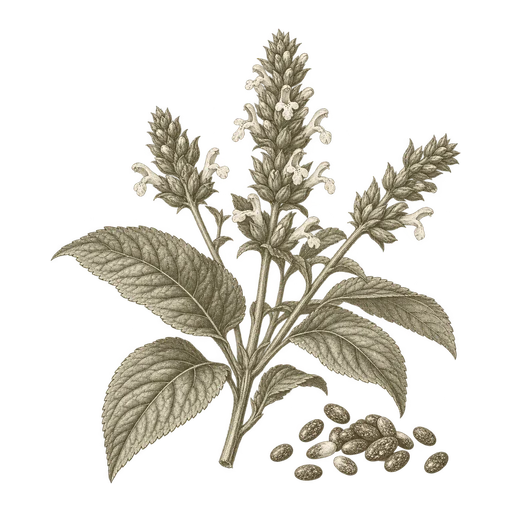
Chia

Chia is an oilseed sold as whole or milled seed, gel or mucilage, oil, and extraction coproducts. Choose the form around its role in food or feed, and compare product-specific quality measures and handling needs before arranging a bulk shipment.

Explore ingredient
Pulses

Chickpeas

Chickpeas are dry edible pulses sold as Kabuli or Desi seed, whole, split, dehulled or milled into flour. Choose class and form to match the food process or formulation, and compare lot moisture, size, defects and receiving needs.

Explore ingredient
Oils/Fats

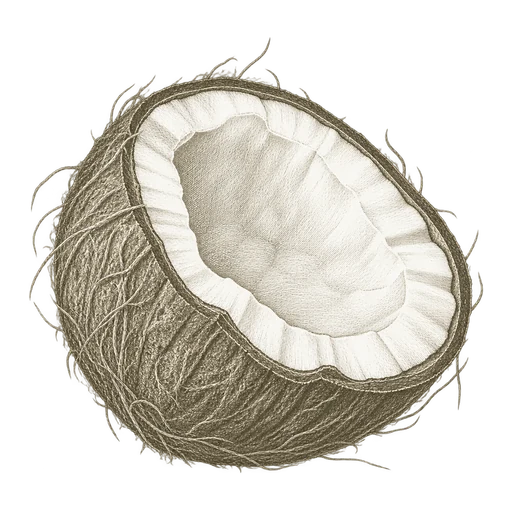
Coconut Oil

Coconut oil is a coconut-kernel oil used in human food and food formulation. Compare processing history, lot-specific quality measures and temperature-handling needs when sourcing a bulk shipment.

Explore ingredient
Pulses

Faba Beans

Faba beans are grain-legume seeds used in food and feed, supplied in forms ranging from whole or split seed to milled and more highly processed ingredients. Choose by intended use and form, then compare the relevant lot analysis and handling needs.

Explore ingredient
Starches/Fibers/Proteins

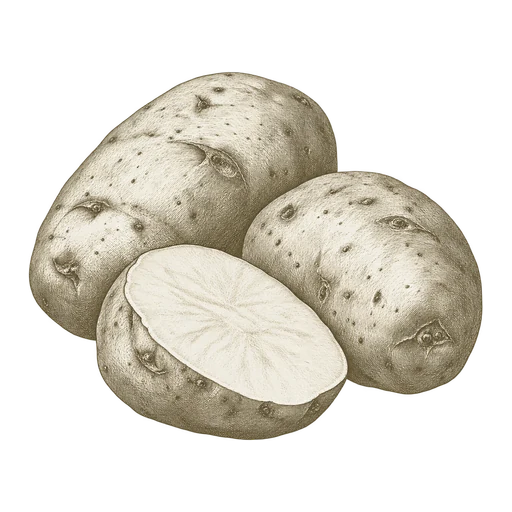
Potato Protein

Potato protein is recovered from potato starch-processing liquids and supplied in dried forms for feed or food applications. Processing affects composition and functionality, so compare the intended use, product analysis and relevant performance information before arranging a bulk order.

Explore ingredient
Starches/Fibers/Proteins

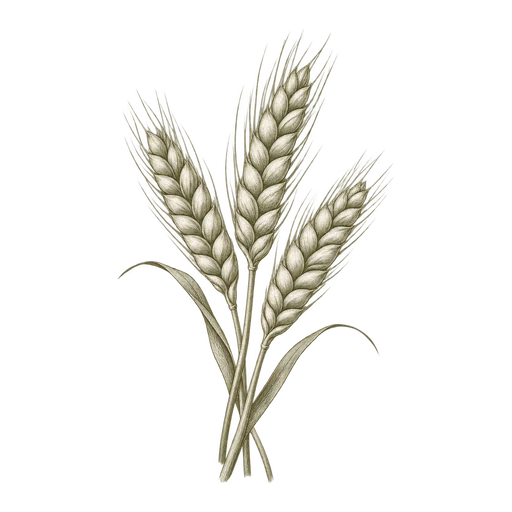
Wheat Starch

Wheat starch is an isolated wheat carbohydrate used for thickening and body in food and for narrower specialty-feed functions such as binding. Choose native, pregelatinized or modified starch according to the process and performance required.

Explore ingredient

Different ingredients, different jobs

This collection brings together ingredients with distinct roles in food formulation, not a set of interchangeable functional additives. Chia and cranberry pomace can contribute fiber and affect water binding or texture; wheat starch has a different role in thickening and structure. Coconut oil contributes to the fat phase rather than supplying water-binding properties.

Form matters as much as the ingredient name. Whole chia is not extracted chia mucilage, and chickpeas or faba beans are not automatically equivalent to their flours or protein fractions. Confirm whether the product is whole, milled, extracted, concentrated, isolated, native or modified before comparing it.

Match function to the process

Protein ingredients also need to be assessed individually. Instant whey protein isolate 90, soy protein isolate and potato protein differ in source and processing; a shared protein role does not establish equal dispersibility, texture or heat response. Wheat starch is not wheat protein, and its behavior depends on the specific product and processing conditions.

Define the job in the finished food—such as water binding, viscosity, structure, protein enrichment or fat contribution—then assess the ingredient under relevant conditions. Hydration time, mixing shear, heat, pH, salt and storage can all affect results. Application data is most useful when its test conditions match the intended process.

Specify what you are buying

For bulk purchasing, compare product forms and specifications on a consistent basis. Ask for relevant measures, test methods and units; depending on the ingredient, these may include moisture, protein or fiber basis, particle size, dispersibility, viscosity or gel data. Check whether values are reported as received or on a dry basis.

Review packaging, storage conditions, shelf-life basis and applicable allergen or food-safety documents for the specific product. Lot documentation and application testing are more useful for a purchase decision than a broad label such as “functional ingredient.”

Common questions.

Are the ingredients in this collection interchangeable?+

No. They contribute through different mechanisms, including hydration, protein structuring, starch behavior, fat-phase contribution and fiber or texture. Choose based on the function required in the finished food.

What product form should I confirm before comparing options?+

Confirm whether the material is whole, milled, extracted, concentrated, isolated, native or modified. For example, whole chia is different from chia mucilage, and chickpeas are not the same product form as a chickpea protein fraction.

What process details affect ingredient performance?+

Hydration order and time, mixing shear, heating, pH, salt and storage conditions can change performance. Compare application data only when its test conditions are relevant to your process.

How should I compare specifications from different suppliers?+

Check the exact product form, measurement method, units and composition basis, including whether values are reported as received or on a dry basis. Use the specification and documentation for the product or lot being considered.

Food ingredient functionality · BUYER INSIGHTS

Go deeper before you source.

Focused guides to the specification, application, and delivery questions behind this ingredient.

FIELD GUIDE01Food ingredient functionality
Buyer’s guide

Receiving and storing bulk instant whey protein isolate 90

A practical receiving and storage guide for bulk instant whey protein isolate 90, covering packaging fit, shipment inspection, moisture and odor protection, and lot-specific date information.

Read this Insight
FIELD GUIDE02Food ingredient functionality
Buyer’s guide

Testing instant whey protein isolate 90 in beverage formulations

A practical way to test instant whey protein isolate 90 for beverages is to assess wetting, dispersion, solubility and dissolution time as separate outcomes under conditions that reflect the intended mixing process.

Read this Insight
FIELD GUIDE03Food ingredient functionality
Buyer’s guide

How to compare instant whey protein isolate 90 protein results

Compare instant whey protein isolate 90 protein results correctly by aligning reporting basis, moisture, analytical method and lot-specific COA details.

Read this Insight
FIELD GUIDE04Food ingredient functionality
Buyer’s guide

Bulk faba bean storage and receiving: moisture, temperature and seed damage

Prepare bulk faba bean receiving around the offered form, facility equipment, moisture and temperature conditions, and careful transfer that limits seed damage.

Read this Insight
FIELD GUIDE05Food ingredient functionality
Buyer’s guide

Faba bean flour in bread and pasta: choosing an ingredient form

Learn how faba bean flour differs from whole beans, splits and protein ingredients—and which form, processing details, flavor and color considerations to evaluate in bread and pasta.

Read this Insight
FIELD GUIDE06Food ingredient functionality
Buyer’s guide

Faba bean analysis: comparing protein, moisture and antinutritional factors

A practical guide to comparing faba bean feed analyses, from protein and moisture basis to fiber, energy estimates and targeted antinutritional-factor testing.

Read this Insight