Grains
Alfalfa
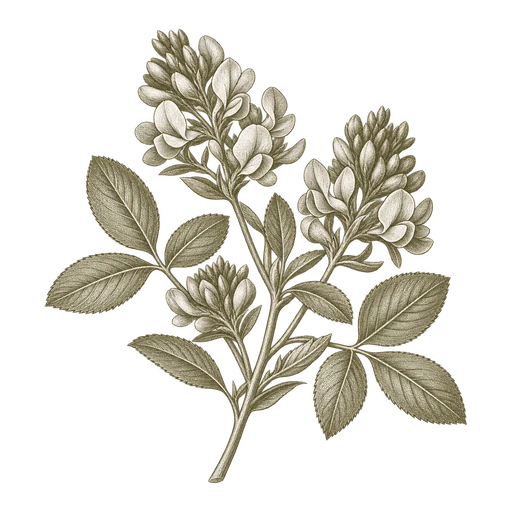
Alfalfa is a forage legume sourced as hay, silage, meal or pellets for livestock feed. Match the form to receiving and ration needs, then compare a lot-specific analysis on a consistent basis.
Explore ingredientWhey protein concentrate grade names offer a quick indication of protein tier, but meaningful comparisons require a shared reporting basis and a broader view of composition. Learn how to read dry-basis and as-sold protein alongside lactose, fat, ash and moisture.
Whey protein concentrate (WPC) grade names are shorthand for protein concentration, but a label alone is not a complete composition specification. Names such as WPC 34 or WPC 80 are commonly used to distinguish protein tiers. To compare offers, find out what the number represents, how protein is reported and whether the figure is a target, minimum or typical value.
The basis matters because a protein percentage can be stated for the powder as received or for its dry matter. Those figures are not interchangeable. A dry-basis value excludes moisture from the calculation, while an as-sold value includes it. A powder can therefore show a higher protein percentage on a dry basis than on an as-sold basis without any change in its dry components.
To convert a dry-basis protein percentage to an as-sold percentage, account for the powder’s moisture: the as-sold protein share equals the dry-basis protein share multiplied by the dry-matter share. For example, if moisture is expressed as a fraction of the powder, dry matter is the remainder. This relationship is useful for checking whether two analyses are broadly comparable, but it does not replace the methods and basis stated in the specification.
Before comparing quoted percentages, check that both use the same basis and that the protein test and calculation are identified consistently. If one document reports dry-basis protein and another reports as-sold protein, request the missing basis or a comparable calculation using the relevant moisture result. Otherwise, a difference in reported percentages may reflect accounting basis rather than a real difference in the powders.
Protein is only one part of WPC composition. Lactose, fat, ash and moisture help explain what makes up the rest of the powder and whether the material aligns with a product’s formulation or processing needs. Their proportions differ among concentrates, so a protein grade name cannot stand in for a full analysis.
Lactose is the principal carbohydrate component to review when the product’s sugar contribution matters. Fat affects the powder’s composition and may matter in a formula where total fat is controlled. Ash represents mineral residue; its reported level adds context beyond protein and can be relevant when comparing ingredient specifications. Moisture helps interpret the as-sold protein figure and is also a useful quality and handling measure.
These measures should be read together rather than as isolated pass-or-fail numbers. A protein figure that meets a formulation target does not, by itself, show whether lactose, fat, ash or moisture also fit the intended use.
A product specification describes the intended composition or quality requirements; a lot-level certificate of analysis reports results for a particular lot. Buyers comparing wholesale WPC should review both, where available, and check that the lot results use the same units, basis and analytical methods as the specification. Ask how protein is determined or calculated if the documents do not make that clear.
Review protein basis alongside moisture, then compare lactose, fat and ash on clearly stated bases. Check whether values are expressed as minimums, maximums or typical figures, and whether results are reported as received or on dry matter. A specification with clear definitions is more useful for procurement and formulation than a grade name by itself.
For a like-for-like comparison, align the grade description, protein basis, analytical method and reporting conventions before assessing price or suitability. If a supplier’s documents leave one of these unclear, resolve that specific difference rather than treating the headline protein number as directly comparable.
Build a comparison around the WPC grade and its complete composition, not just the number in its name. Record the protein result and basis, moisture, lactose, fat and ash, together with the method or reporting notes that determine how the figures should be read. This makes it easier to identify whether two offers differ in actual composition or simply in how the results are stated.
When you are ready to source a grade, start with the whey protein concentrate page and specify the intended protein basis, the composition measures that matter to your formula and the lot analysis needed for review. Packaging, quantity and delivery terms are supplier-dependent, so include your requirements when requesting a quote.
Not necessarily. Grade names are useful shorthand, but the product specification should state whether protein is reported on a dry basis or as sold and how the value is defined.
The figures may use different reporting bases, analytical methods or conventions. Moisture is especially important when comparing dry-basis protein with protein as sold.
Review lactose, fat, ash and moisture with protein. These measures describe more of the powder’s composition and help determine whether the grade fits a formulation.
Focused guides to the specification, application, and delivery questions behind this ingredient.
Plan whey protein concentrate receiving around your facility’s packaging and unloading capabilities, then protect the powder in dry storage and manage stock using the offered lot’s date information and directions.
Read this InsightProtein percentage is only a starting point when selecting whey protein concentrate for beverages. Compare grade composition and processing information, then test dispersion, texture and stability under your formula’s actual conditions.
Read this InsightAlfalfa is a forage legume sourced as hay, silage, meal or pellets for livestock feed. Match the form to receiving and ration needs, then compare a lot-specific analysis on a consistent basis.
Explore ingredientAlfalfa meal is ground forage used in animal feed, with sun-cured and dehydrated processing routes and meal or pellet forms. Compare the offered process, physical form and analysis against the needs of the species and feed formulation.
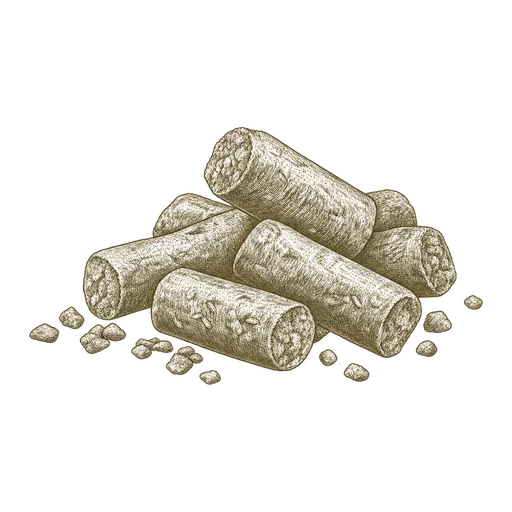
Explore ingredientAlfalfa pellets are ground, compressed forage used in livestock feeding and compound feeds. Compare the drying process, alfalfa material, forage analysis and pellet characteristics to choose a form that fits your ration and receiving setup.
Explore ingredientAlmond hulls are the dried outer layer of the almond fruit, sourced for ruminant feed as hull-only material or as a hull-and-shell mixture. Compare the lot’s composition, physical form, and handling needs before arranging a bulk shipment.
Explore ingredient