Grains
Alfalfa
Alfalfa is a forage legume sourced as hay, silage, meal or pellets for livestock feed. Match the form to receiving and ration needs, then compare a lot-specific analysis on a consistent basis.
Explore ingredientPlan whey protein concentrate receiving around your facility’s packaging and unloading capabilities, then protect the powder in dry storage and manage stock using the offered lot’s date information and directions.
A successful bulk whey protein concentrate (WPC) order starts with the receiving plan, not just the required quantity. Before requesting a quote, define the amount and unit, delivery destination, desired arrival window and the form of packaging your facility can handle. These details help align the proposed order with available storage space and the way your team receives ingredients.
Estimate how much WPC you can accept and store at one time, including space needed to keep packages accessible and protected. If production demand is spread over time, compare the proposed delivery timing with your consumption plan. A delivery that arrives too early can put pressure on storage capacity and inventory control; one that arrives too late can disrupt production. Actual order terms and timing depend on the supplier and shipment.
WPC is supplied as a powder, so the package affects how it moves from the receiving area into storage and then into production. Ask what packaging is offered for the specific lot and whether your facility can unload, move and store it safely. Consider dock access, available handling equipment, package dimensions and where the material will be staged while receiving checks are completed.
Do not assume a particular package size or shipment format. Describe your receiving setup when requesting a quote, including any limits on unloading time, equipment or indoor staging. If your operation transfers powder into a storage bin or ingredient system, confirm that the receiving arrangement is compatible with that process before finalizing the order.
Moisture exposure can cause powdered ingredients to clump and can make them harder to handle. Store WPC in a clean, dry area and protect opened or temporarily staged packages from humidity, spills and condensation. Keep packages closed when not in use, and avoid placing them where water or damp cleaning practices could reach them.
A cool, dry storage location is a practical starting point, but it does not set a universal temperature limit or storage life. Follow the package directions for the actual product. Also protect the powder from strong odors and other sources of contamination, and keep it segregated in line with your facility’s ingredient-handling practices.
Record the lot identification and date information when each delivery is received. Keep those details connected to the storage location and production records so staff can identify which material is being used. Where the supplier provides a date code or stated shelf life, use it in the inventory plan rather than estimating from the delivery date.
Rotate inventory using the product’s stated date information and your facility’s established procedures. Before ordering, compare the expected quantity with projected use and current WPC inventory. This helps avoid holding more powder than your dry storage area can protect or using stock without checking its lot and date records.
General storage guidance cannot replace the directions for the particular WPC lot. Ask for the supplier-stated shelf life and package storage instructions that apply to the offered product, along with its lot and date-coding details. Use those details to decide whether the planned receiving date and inventory turnover fit your operation.
For a useful sourcing request, provide the requested quantity and unit, destination, timing, packaging preference and unloading constraints. State any required lot documentation and the storage information your team needs before acceptance. Once those receiving requirements are clear, visit the Whey Protein Concentrate page to request a sourcing connection.
Do not assume it does or set a storage temperature from general guidance. Keep the powder dry and follow the storage directions and shelf-life information provided for the specific product.
Confirm the order quantity and unit, delivery destination, packaging, unloading capability, staging space and expected arrival timing. Also arrange to record the lot and date information at receipt.
Use the supplier-stated shelf life and product date codes, and record lot information when the order arrives. Compare the quantity with expected use and rotate stock according to your facility’s procedures.
Focused guides to the specification, application, and delivery questions behind this ingredient.
Protein percentage is only a starting point when selecting whey protein concentrate for beverages. Compare grade composition and processing information, then test dispersion, texture and stability under your formula’s actual conditions.
Read this InsightWhey protein concentrate grade names offer a quick indication of protein tier, but meaningful comparisons require a shared reporting basis and a broader view of composition. Learn how to read dry-basis and as-sold protein alongside lactose, fat, ash and moisture.
Read this InsightAlfalfa is a forage legume sourced as hay, silage, meal or pellets for livestock feed. Match the form to receiving and ration needs, then compare a lot-specific analysis on a consistent basis.
Explore ingredientAlfalfa meal is ground forage used in animal feed, with sun-cured and dehydrated processing routes and meal or pellet forms. Compare the offered process, physical form and analysis against the needs of the species and feed formulation.
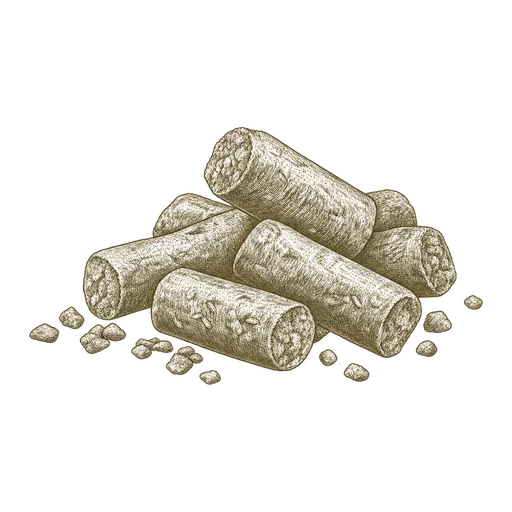
Explore ingredientAlfalfa pellets are ground, compressed forage used in livestock feeding and compound feeds. Compare the drying process, alfalfa material, forage analysis and pellet characteristics to choose a form that fits your ration and receiving setup.
Explore ingredientAlmond hulls are the dried outer layer of the almond fruit, sourced for ruminant feed as hull-only material or as a hull-and-shell mixture. Compare the lot’s composition, physical form, and handling needs before arranging a bulk shipment.
Explore ingredient