Independent sourcing. Better connections.Commercial buyers · Bulk ingredients
topic

Ingredient storage and handling

Bulk ingredients in this topic range from nuts and seeds to dried fruit, powders, flakes, pulses, meals and dairy powders. Their forms and intended uses differ, so storage and handling decisions should follow the product's current specifications and lot documentation rather than a shared rule for the whole collection.

25 ingredients6 published Insights
EXPLORE THE COLLECTION

Ingredient storage and handling ingredients

Tree Nuts

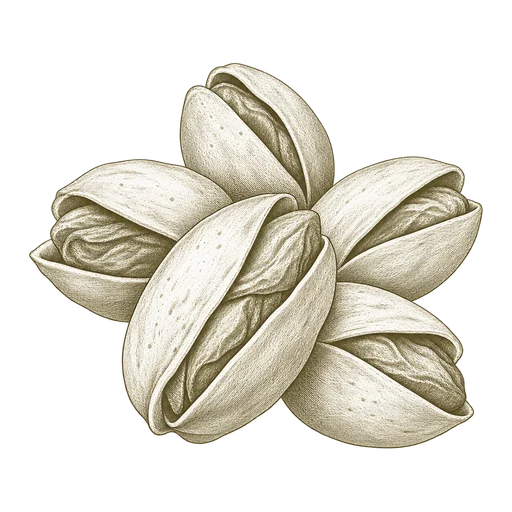
Pistachios

Pistachios are sourced as in-shell nuts, shelled kernels and processed forms for snacks, bakery, frozen desserts, sauces and confections. Define the product form, processing and quality requirements together, since shelling, roasting, seasoning and particle size change how the ingredient fits a food application.

Explore ingredient
Dried Fruits

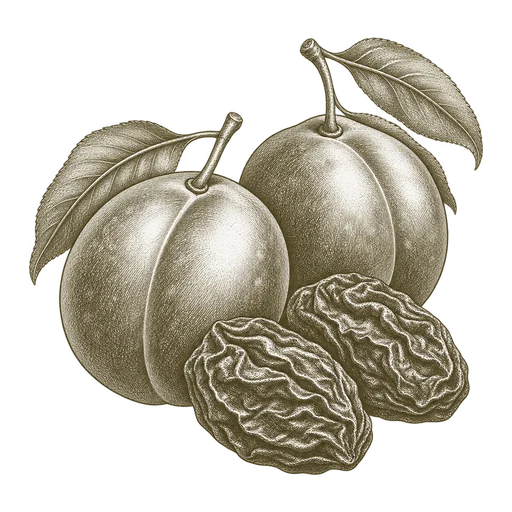
Plums

Plums are sourced fresh or as dried whole fruit, pieces and puree for food uses. Choose the form around the recipe and production process, then compare the quality measures that apply to that specific product.

Explore ingredient
Dried Fruits

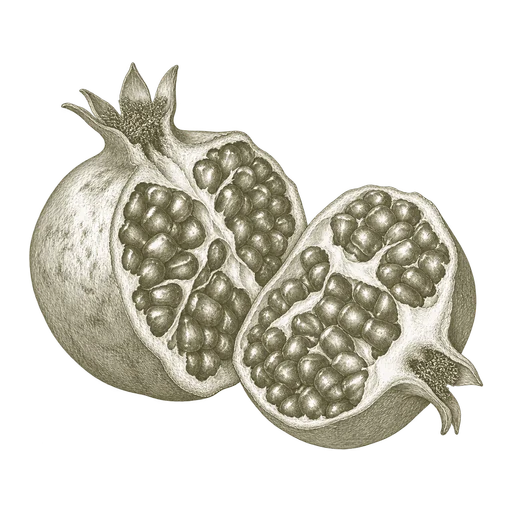
Pomegranate

Pomegranate feed by-products can be fresh, dried or ensiled, with composition shaped by the fruit parts and processing. Identify the exact material and compare its moisture basis and analysis before evaluating it for a ruminant ration.

Explore ingredient
Grains

Popcorn

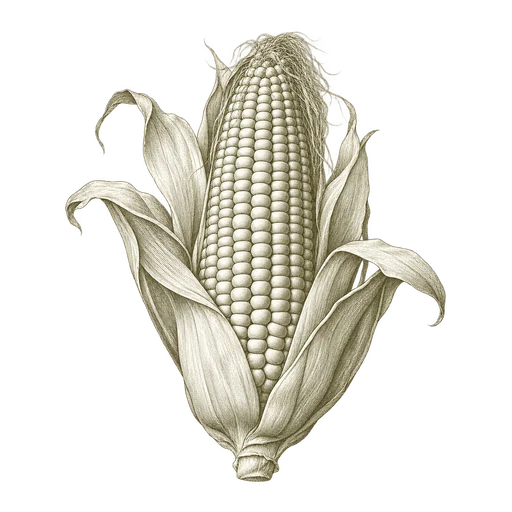
Popcorn is a distinct maize type purchased as whole kernels for popping or as an already-popped food ingredient. For bulk food use, match the form to your process and compare kernel moisture, popping performance and integrity against your requirements.

Explore ingredient
Seeds

Poppy

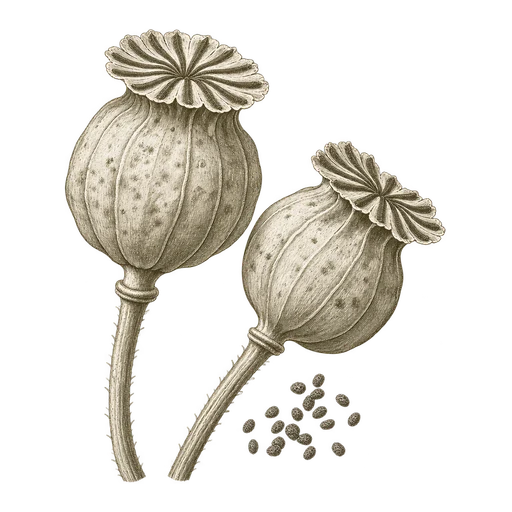
Poppy can refer to whole seed for food uses or to oil-extraction by-products used in feed. Specify whole seed, pressed cake or solvent-extracted meal, then compare intended-use requirements and lot analysis on a consistent basis.

Explore ingredient
Feed Ingredients

Pork Meal

Pork meal is rendered, ground pork-derived material used in animal-feed and pet-food manufacturing. Confirm whether bone is included, compare the offered lot analysis on a consistent basis, and match the form and handling details to your facility.

Explore ingredient
Starches/Fibers/Proteins

Potato Flake

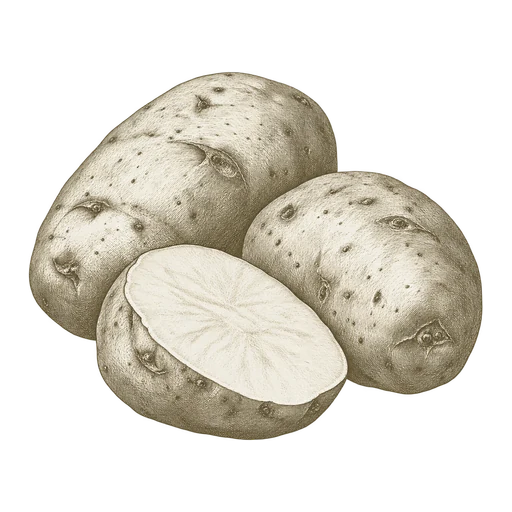
Potato flakes are cooked, mashed potatoes drum-dried into pieces for use in snacks, soups, sauces, bakery products and other potato foods. Compare flakes with other dehydrated potato forms, then assess the offered lot’s quality measures, preparation guidance and storage requirements.

Explore ingredient
Starches/Fibers/Proteins

Potato Protein

Potato protein is recovered from potato starch-processing liquids and supplied in dried forms for feed or food applications. Processing affects composition and functionality, so compare the intended use, product analysis and relevant performance information before arranging a bulk order.

Explore ingredient
Dried Fruits

Prunes

Prunes are dried European plum fruit supplied whole or in ingredient forms such as diced pieces, paste, puree, concentrate and powder. Compare style, moisture, size, ingredients and handling characteristics against the needs of your food process.

Explore ingredient
Dried Fruits

Pumpkin Powder

Pumpkin powder is dried, milled pumpkin material used in food formulations and some feed research. Compare the plant parts, processing, moisture and particle characteristics to choose a powder that fits the intended use and receiving setup.

Explore ingredient
Other Seeds & Grains

Pumpkin Seed

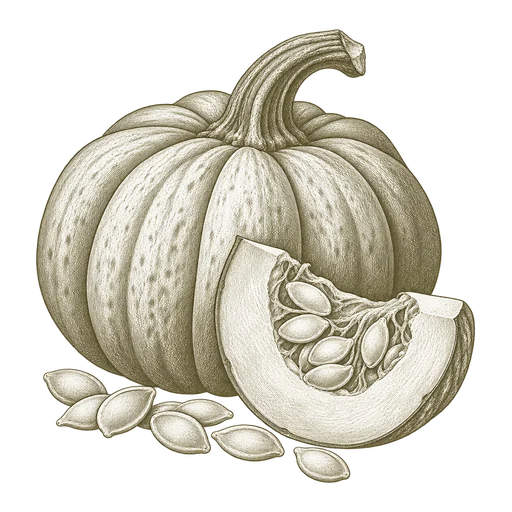
Pumpkin seed can mean whole food seeds, hulled kernels, ground meal or oil-extraction cake. Choose the form for its intended food or feed use, and compare the specific product’s processing and analysis before sourcing in bulk.

Explore ingredient
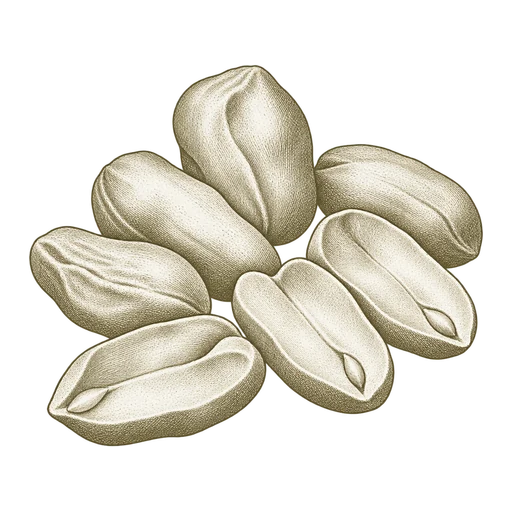
Peanuts

Raw Peanut Hearts

Raw peanut hearts is an ambiguous trade description: it can refer to the peanut embryo or be used without clearly distinguishing it from intact kernels. Define the exact form, processing condition and lot quality before comparing bulk offers or matching the product to a food process.

Explore ingredient
Pulses

Red Lentil Flour

Red lentil flour is a milled human-food ingredient whose seed form, particle size and processing history affect how it performs in formulations. Compare those characteristics with your application and specify the quality information, packaging and delivery details needed for a bulk order.

Explore ingredient
Starches/Fibers/Proteins

Rice Protein

Rice protein is a protein-rich ingredient extracted from rice-derived material and supplied as a powder. Compare feedstock, processing, protein reporting basis and solubility against the intended food or animal-food application.

Explore ingredient
Peanuts

Roasted Pickouts

Roasted pickouts is an imprecise name for roasted peanut material, not a defined grade. Clarify kernel form, skin content, processing, additives and lot-specific quality information before matching a bulk purchase to food processing or another intended use.

Explore ingredient
Pulses

Split Green Peas

Split green peas are dried mature field peas that have been dehulled and split for cooking and food manufacturing. Compare seed condition, moisture, fines, and analysis basis, then match the order and receiving plan to the intended use.

Explore ingredient
Dried Vegetables

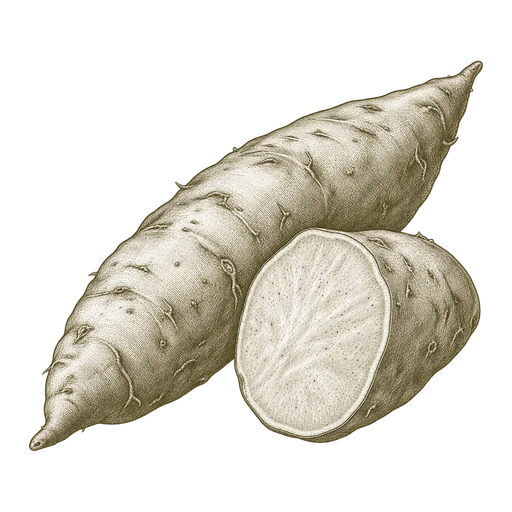
Sweet Potato Powder

Sweet potato powder is a dried, ground root ingredient available through different processing routes, including milled dried root and dried puree. Compare process, color, particle size and functional properties against the needs of your food formulation or feed evaluation.

Explore ingredient
Tree Nuts

Walnuts

Bulk walnuts can mean shelled kernels, pieces, ground kernel or oil-extraction meal. Identify the species, form and intended use first, then compare the quality measures and handling needs relevant to that product.

Explore ingredient
Dairy Ingredients

Whey Powder

Whey powder is a dried dairy ingredient used in food manufacturing and animal feed. Sweet and acid whey, and ordinary powder versus further-processed whey products, differ in composition and function—so match the product identity and lot analysis to the application.

Explore ingredient
Feed Ingredients

Whey Protein Concentrate

Whey protein concentrate is a membrane-concentrated dairy powder used in a range of food formulations. Compare WPC grades by protein basis and the accompanying lactose, fat, ash and moisture analysis, then match functional requirements to the intended recipe and process.

Explore ingredient
Dairy Ingredients

Whey Protein Isolate 90

Whey protein isolate 90 is a dried whey-derived protein ingredient used in food formulations for protein supplementation and functional roles such as gelation, whipping, water binding and emulsification. Compare the protein basis, powder form and any additives against the needs of your process.

Explore ingredient
Dairy Ingredients

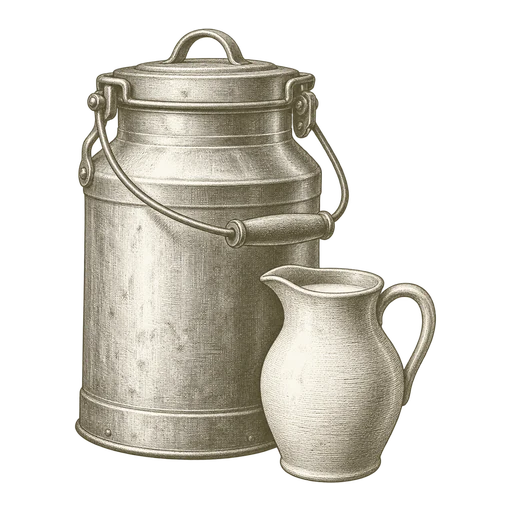
Whole Milk Powder

Whole milk powder is a concentrated dairy ingredient used in bakery, confectionery, dry mixes, sauces and beverages. Compare regular and instantized forms, composition and reconstitution properties to match the powder to your food process.

Explore ingredient
Dried Vegetables

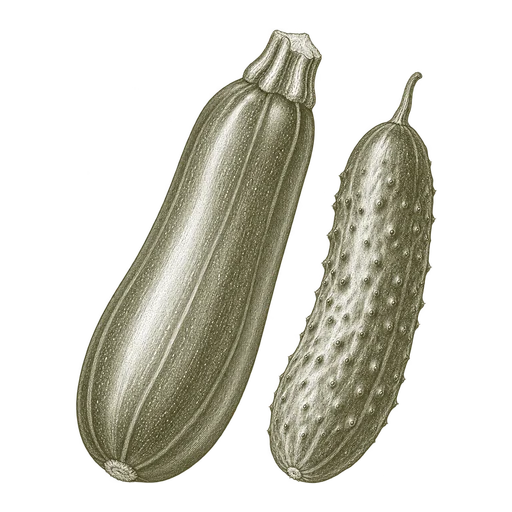
Zucchini

Zucchini is an immature summer squash used in human-food products as fresh fruit, frozen or canned slices, and dried pieces. Choose the form, maturity or cut, and handling requirements to fit the recipe and receiving setup.

Explore ingredient

A collection with different storage needs

This topic brings together bulk ingredients in several forms: nuts and seeds such as pistachios, walnuts and pumpkin seed; fruit such as plums and prunes; and powders, flakes, pulses, meals and dairy powders. The range matters: a whole seed, a powder and a protein ingredient do not necessarily share packaging needs, handling characteristics or intended uses.

Dry ingredients still need protection from moisture, pests and contamination. Dampness can contribute to mold, while damaged packaging can expose products to moisture or pests. Treat storage conditions as product-specific rather than assuming one temperature, humidity target or shelf life applies to every ingredient in this collection.

Compare form, use and lot details

Start by confirming the exact identity and form offered. For example, potato flake and potato protein are different ingredients; pumpkin powder and pumpkin seed are not interchangeable. For nuts and seeds, clarify whether the lot is whole, processed or roasted where relevant. For powders and flakes, ask about the stated moisture-related specifications and whether the form suits your handling and production process.

Check that the intended market and use are clear, especially for ingredients such as pork meal and dairy powders. Review the current specification and lot documentation, including packaging details, storage instructions, relevant test results and traceability information. Do not infer a product's permitted use from its name alone.

Plan receiving and storage

At receiving, inspect packages for damage, moisture, pest evidence, unusual odor or contamination. Hold questionable lots for review under your quality procedures. Store ingredients in clean, dry, pest-controlled conditions, and protect opened packages from humidity and contamination. Keep the product's documented storage instructions available to the people receiving and handling it.

Common questions.

Can every ingredient in this collection use the same storage conditions?+

No universal temperature, humidity or shelf-life rule is established for this varied collection. Follow the current product and lot documentation.

What should I check when comparing two forms of an ingredient?+

Confirm the exact identity and form, intended use, specifications, packaging and relevant lot documentation. Names alone do not establish that products are interchangeable.

What should receiving staff inspect?+

Check package integrity and look for damage, moisture, pest evidence, unusual odor or contamination. Hold questionable lots for review under your quality procedures.

Does a dry ingredient need protection from moisture?+

Yes. Dry products can still be affected by moisture pickup, and damp conditions can contribute to mold or quality problems.

Ingredient storage and handling · BUYER INSIGHTS

Go deeper before you source.

Focused guides to the specification, application, and delivery questions behind this ingredient.

FIELD GUIDE01Ingredient storage and handling
Buyer’s guide

Planning zucchini shipping and storage by product form

Fresh, frozen, canned and dried zucchini call for different receiving and storage plans. Match packaging, unloading and destination storage to the selected form, and follow the specific offer’s instructions rather than assuming a guaranteed shelf life.

Read this Insight
FIELD GUIDE02Ingredient storage and handling
Buyer’s guide

How to evaluate dried zucchini for soups and casseroles

A practical guide to matching dried zucchini cut size, moisture information and preparation to the recipe and finished texture required in soups, stews and casseroles.

Read this Insight
FIELD GUIDE03Ingredient storage and handling
Buyer’s guide

Which zucchini quality specifications matter by product form?

A form-specific guide to comparing fresh, cut and dried zucchini quality, including maturity, condition, cut dimensions and moisture considerations.

Read this Insight
FIELD GUIDE04Ingredient storage and handling
Buyer’s guide

Planning bulk whole milk powder receiving and storage

Plan a bulk whole milk powder order around your facility’s receiving capacity, the package actually offered and manufacturer handling guidance. Prepare for unloading, protect the dry powder from moisture, and rotate stock according to product-specific instructions.

Read this Insight
FIELD GUIDE05Ingredient storage and handling
Buyer’s guide

When instant whole milk powder matters in a dry mix

Choosing regular or instantized whole milk powder for a beverage or dry mix starts with how the finished product meets liquid. Compare dispersibility information and evaluate the offered powder under the intended mixing conditions.

Read this Insight
FIELD GUIDE06Ingredient storage and handling
Buyer’s guide

How to compare whole milk powder specifications and analysis

Compare whole milk powder analysis on matching reporting bases and test methods. Learn how to read fat, protein, moisture and solubility results—and distinguish specification limits from lot-specific COA values.

Read this Insight