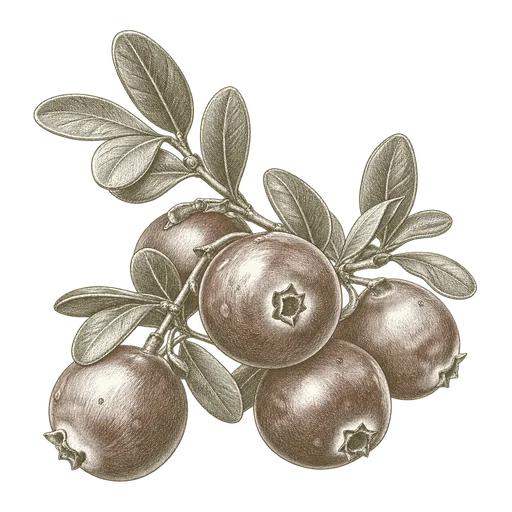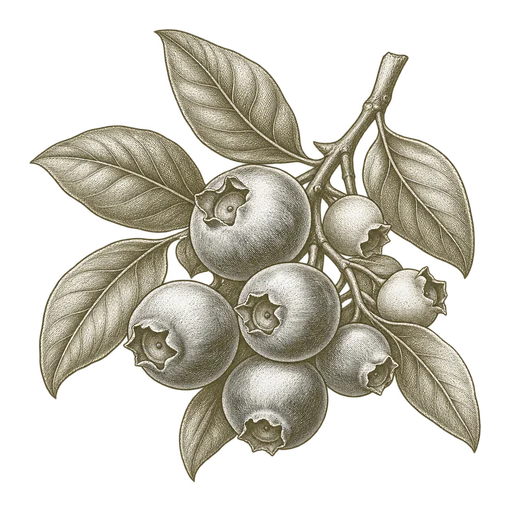
Blueberries
Bulk blueberries are sourced as frozen whole fruit, dried berries, powder, puree and other distinct forms. Match the form and its quality measures to the recipe, processing method and receiving requirements.
Explore ingredientFood formulation brings together ingredients with different roles, including dairy and plant proteins, starch, dairy carbohydrates, produce, seeds, oils and fruit co-products. Compare specific forms and lot documentation rather than treating this broad collection as one functional class.
Bulk blueberries are sourced as frozen whole fruit, dried berries, powder, puree and other distinct forms. Match the form and its quality measures to the recipe, processing method and receiving requirements.
Explore ingredientBlueberry pomace is fruit residue from juice or puree processing, sold as wet material, dried pomace or powder. Choose the form for your process and compare the offered lot’s moisture, particle form and composition.
Explore ingredientBovine plasma is a blood-derived ingredient supplied in liquid, concentrated or spray-dried form. Buyers sourcing it for livestock diets or pet-food formulations should compare species origin, processing, analysis and intended use, then match the product form to their receiving and storage setup.
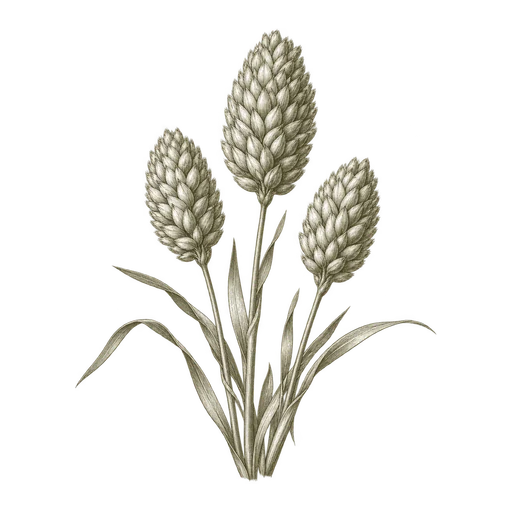
Explore ingredientCanary seed is a grass grain sourced mainly for bird-feed blends, with specific glabrous varieties also processed into food ingredients such as groats and flour. Identify the hull type, intended market and processing form before comparing bulk lots.
Explore ingredientBulk carrots can mean fresh roots, frozen or dehydrated product, ensiled feed material, or processing by-products such as juice pomace. Identify the exact form and intended use, then compare moisture and analysis on a consistent basis.
Explore ingredientCelery is sourced for food use as fresh stalks and leaves, frozen celery, or dried material. Specify the plant part and form because they differ in culinary role, handling, quality measures and storage needs.
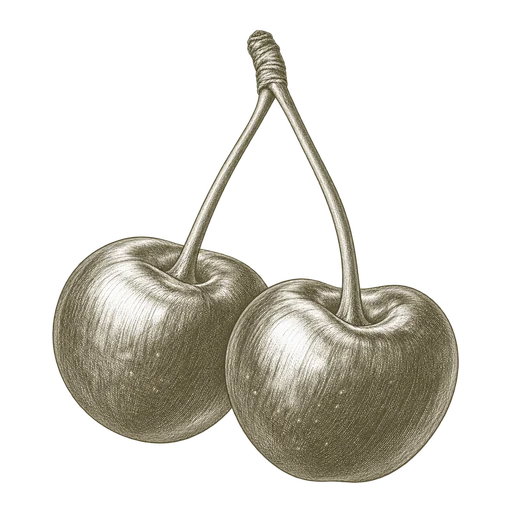
Explore ingredientBulk cherries may mean whole fruit, processed cherries or a distinct fraction such as pomace. Identify sweet or sour cherry and the processing form first; these choices affect product use, quality checks and the specifications needed for a useful quote.
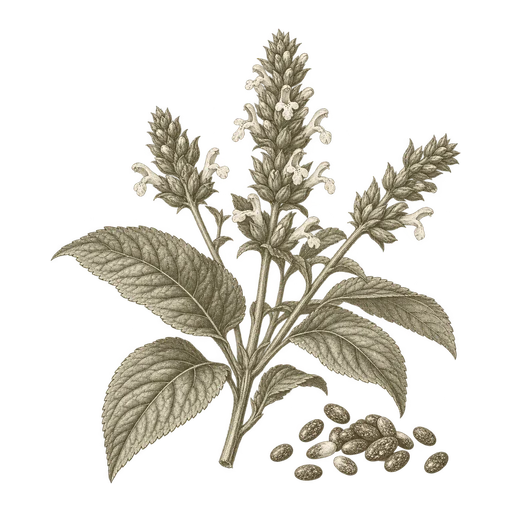
Explore ingredientChia is an oilseed sold as whole or milled seed, gel or mucilage, oil, and extraction coproducts. Choose the form around its role in food or feed, and compare product-specific quality measures and handling needs before arranging a bulk shipment.
Explore ingredientCoconut oil is a coconut-kernel oil used in human food and food formulation. Compare processing history, lot-specific quality measures and temperature-handling needs when sourcing a bulk shipment.
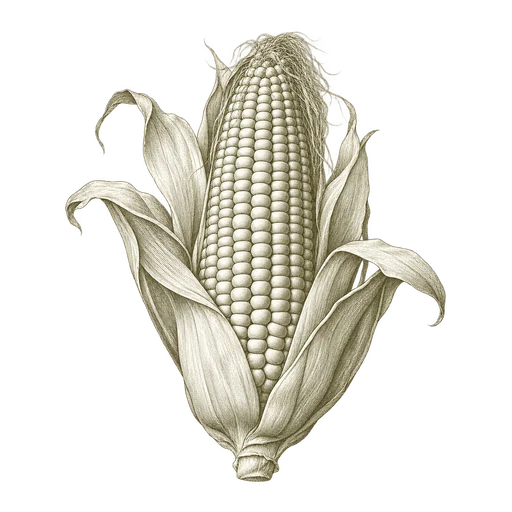
Explore ingredientCorn starch is separated from corn and sold as native or modified starch for food thickening and other application-specific uses. Compare modification status, functional properties and product documentation, then match packaging and handling to your receiving setup.
Explore ingredientBulk cranberries can mean whole fruit, juice products, dried fruit, pomace or extracts. Identify the exact form and application, then compare its processing, analysis and handling requirements rather than treating cranberry products as interchangeable.
Explore ingredientCranberry pomace is a variable cranberry-processing coproduct used in food research and, in limited research, poultry diets. Compare wet, dried and processed forms by moisture, analysis basis and intended application.
Explore ingredientHemp covers distinct seed-derived ingredients, including hulled seed, oil, protein powder and press cake. Identify the plant part, processing and intended use first; for meal, compare a current lot analysis and its measurement basis.
Explore ingredientInstant WPC 80 is a whey-derived protein powder designed to disperse more readily in mixing. Distinguish it from WPI 90, then compare protein basis, lecithin details and lot analysis for the intended food formulation.
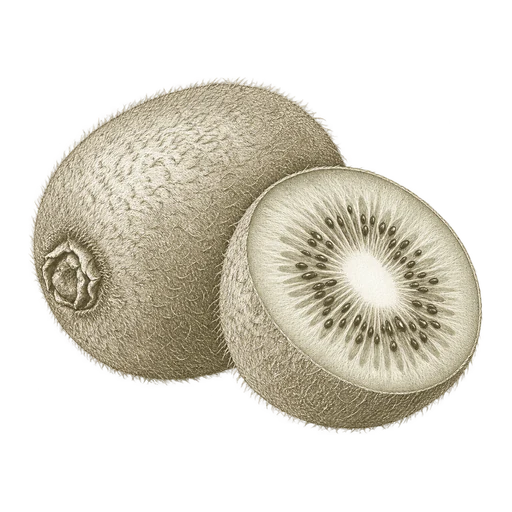
Explore ingredientBulk kiwi can mean whole fruit, puree, dried fruit, peel, pomace, or extracted fiber. Specify the form and processing history, then compare analysis on a consistent basis and match receiving and storage plans to the product.
Explore ingredientA dairy-derived ingredient sourced to application-specific requirements.
Explore ingredientMilk permeate is a lactose- and mineral-rich dairy fraction used in food formulations including baked goods, dairy products, dry mixes and beverages. Bulk buyers can distinguish milk permeate from whey permeate and compare powder composition, reporting basis and handling needs against the intended application.
Explore ingredientMilk protein concentrate is a dried bovine-milk ingredient used in dairy and other food formulations. Compare MPC 70, 80 and 85 by protein basis, lactose and functional performance—not grade name alone—to match the ingredient to your process.
Explore ingredientPea protein is a pea-derived food ingredient sold as flour, concentrate, isolate or hydrolysate. Compare the form, protein measurement basis and application-relevant functional data to choose an ingredient for your formulation.
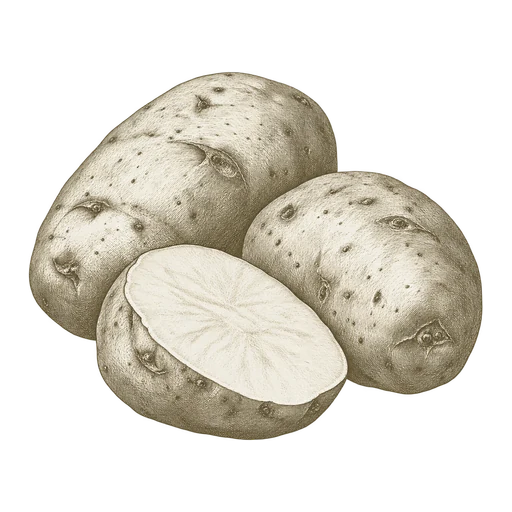
Explore ingredientPotato protein is recovered from potato starch-processing liquids and supplied in dried forms for feed or food applications. Processing affects composition and functionality, so compare the intended use, product analysis and relevant performance information before arranging a bulk order.
Explore ingredientWatermelon ingredients include seed flour, meal, protein concentrate and rind meal, each with different processing and composition. Identify the plant part, processing and intended food or feed use before comparing bulk offers.
Explore ingredientFood formulation is an application, not a single ingredient class. This collection spans dairy ingredients, plant proteins, starch, produce, seeds, oils and fruit-processing co-products. Examples include milk protein concentrate, pea protein, corn starch, chia, coconut oil and blueberry pomace.
The range is useful for exploring different formulation roles, but ingredient names alone do not establish a particular grade, form, food-use status or performance. Confirm the material’s identity and intended use before comparing it with a recipe requirement.
Protein ingredients are not interchangeable: dairy-derived whey and milk protein ingredients differ from plant proteins such as pea and potato protein. Corn starch serves a different formulation purpose from protein ingredients. Within dairy materials, lactose and milk permeate are distinct from protein concentrates.
Form matters just as much as the ingredient name. Fruit and vegetables may be supplied in different processed forms, while chia and hemp can refer to different ingredient forms. Clarify form, processing and sensory or physical characteristics against the needs of the finished product.
Compare current, lot-specific documentation rather than relying on a broad product name. Depending on the ingredient, useful details can include composition, moisture, particle size, solubility or dispersibility, sensory characteristics, packaging and storage conditions. For pomace, ask which processing stream it comes from and how it was stabilized.
Milk-derived ingredients require particular attention to source and allergen information for food labeling. The listing name “Canary” also needs identity clarification before a buyer can assess it for a food formula. Confirm that any material is suitable for its intended food use.
No. The collection includes ingredients with different compositions and functions, such as protein concentrates, starch, dairy carbohydrates, oils and produce-derived materials. Compare the specific material and form against the role it must perform.
Review the current lot specification and focus on measures relevant to the ingredient and application, such as composition, moisture, particle size, solubility or sensory characteristics. Also confirm packaging and storage conditions.
No. A name alone does not establish food-use status or suitability for a particular product. Verify the identity, intended use and supporting documentation for the exact material.
Confirm the ingredient source, sub-ingredients and cross-contact information. Milk is a major food allergen, so assess the information against the labeling requirements for the finished product.
The name does not establish the product’s identity. Confirm its common name, botanical identity and processing form before evaluating it for a food formulation.
Focused guides to the specification, application, and delivery questions behind this ingredient.
Prepare a bulk milk protein concentrate order by aligning the MPC type, quantity and delivery plan with your plant’s receiving equipment, unloading constraints and moisture-protected storage.
Read this InsightProtein grade alone cannot predict how milk protein concentrate will hydrate, dissolve or withstand beverage heat processing. Define the formulation and process targets, then evaluate product-specific data and performance under representative conditions.
Read this InsightCompare milk protein concentrate grades by more than the number on the label. Protein basis, standard definitions, lot results and the rest of the composition all affect whether MPC 70, 80 or 85 matches a specification.
Read this InsightPlan milk permeate powder receiving around compatible packaging and unloading equipment, then protect the dry ingredient from moisture and unnecessary heat. Use the supplier’s product-specific handling and shelf-life instructions rather than a universal storage limit.
Read this InsightMilk permeate can contribute lactose, minerals and dairy solids to baked goods. Its low protein contribution distinguishes it from many other dairy powders, so recipe balance, browning and finished-product performance should be evaluated together.
Read this InsightCompare milk permeate powder analyses on a like-for-like basis. Learn what lactose, protein or nitrogen, fat, ash and moisture can tell you—and why a typical reference value is not a lot specification.
Read this Insight