Grains
Alfalfa
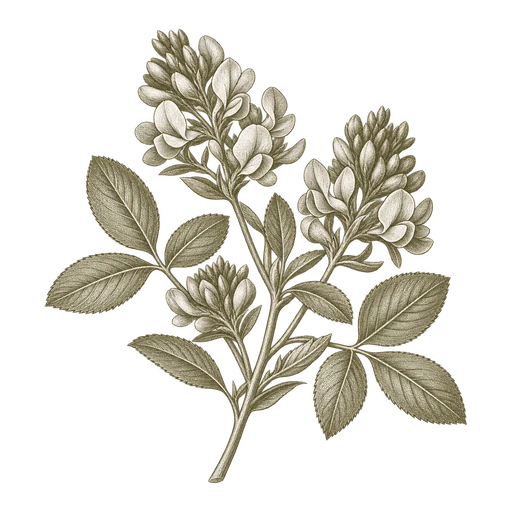
Alfalfa is a forage legume sourced as hay, silage, meal or pellets for livestock feed. Match the form to receiving and ration needs, then compare a lot-specific analysis on a consistent basis.
Explore ingredientA practical receiving and storage plan for bulk red millet starts with quantity, destination, packaging and unloading. Treat general millet moisture guidance as context—not a guarantee—and assess the delivered lot and your facility’s storage conditions.
Bulk red millet is easier to source and receive when the order matches the facility’s actual handling setup. Before requesting a quote, define the quantity and unit, delivery destination, target timing, and the form of shipment your site can unload. Red millet is a small-seeded grain, so packaging integrity and clean transfer matter: kernels can escape through damaged packaging or openings in poorly matched equipment, creating product loss and cleanup.
Work backward from the receiving point. Identify whether the grain will go into a dedicated bin, a shared grain system, or a staging area for later handling. Note any limits on vehicle access, unloading hours, transfer equipment, or the space available to stage packaged product. These details help align the proposed shipment with your facility rather than leaving key arrangements until delivery.
State the required amount in a clear unit and explain whether it is a one-time order or part of a planned series of deliveries. Include the delivery address and the date or receiving window your operation can accommodate. Quantity, destination and timing shape the shipment arrangement, but the exact commercial terms depend on the broker’s offer.
Use the receiving location—not just the company’s billing address—when planning. A site with limited access, restricted delivery hours, or no suitable bulk unloading point may need a different packaging or receiving arrangement than a facility equipped to take loose grain. Share those constraints with the inquiry so the proposed order can be evaluated against real operating conditions.
Packaging and unloading are one decision. Explain what your site can handle, such as loose bulk transfer or packaged goods, and whether unloading equipment or staff availability is limited. Do not assume that a particular package or delivery method is available; state what your facility can receive and request an offer that addresses it.
Because millet kernels are small, inspect the planned transfer route for gaps, damaged seals, open joints and residual material from previous loads. Use clean, suitable receiving equipment and keep containers or openings protected during transfer. This reduces the chance of grain escaping and helps prevent debris or other material from entering the shipment. If product will be moved from a receiving point into storage, include that second transfer in the plan too.
A moisture figure is useful only when its basis and purpose are clear. A value of 13% moisture or less is sometimes used as general guidance for millet seed, but it should not be treated as a universal acceptance limit, a promise about a particular red millet lot, or a guarantee of safe storage under every condition. Storage outcomes also depend on the lot’s condition and the receiving facility’s environment and management.
If moisture is important to your operation, state the requirement and ask what lot information or analysis is available. Consider the intended storage period, bin or room conditions, ventilation and how the grain will be monitored. Do not rely on a general guideline in place of checking the delivered lot and assessing whether your own storage arrangements are appropriate.
Have the storage area ready before receiving red millet. Keep it clean, dry and protected from water entry, and make sure the receiving route will not expose the grain to avoidable moisture or contamination. For bins or other bulk storage, verify that the equipment is suitable for small grain and can be inspected and managed as needed. For packaged goods, plan a clean, dry staging area and protect packages from damage during unloading and storage.
Build a receiving checklist around the actual order: confirm the product description and quantity, inspect packaging or the load for damage and visible contamination, and record relevant lot information. Follow your facility’s procedures for checking condition and moisture. If the lot does not match the agreed description or shows damage, document the issue and address it through the appropriate commercial channel.
For a sourcing inquiry, begin at the [red millet page](/ingredients/red-millet) and include your quantity, delivery destination, timing, packaging preference, unloading capability and storage-related quality needs. That gives the broker a practical basis for discussing an offer without assuming a shipment format or lot condition in advance.
Give the quantity and unit, delivery location, target timing, packaging your facility can receive, unloading method and any specific lot or moisture requirements. Include site access or receiving-hour constraints that could affect delivery.
No. The figure is general millet-seed guidance, not a universal limit or a guarantee for a specific lot or storage setup. Consider the lot’s actual condition and your facility’s storage environment and management.
Millet kernels are small and can escape through damaged packages or openings during transfer. Suitable, intact packaging and clean, well-maintained transfer equipment help limit product loss and reduce opportunities for contamination.
Focused guides to the specification, application, and delivery questions behind this ingredient.
A practical guide to comparing whole and ground proso millet for poultry feed, with questions to resolve about grain identity, lot analysis and feed processing.
Read this InsightRed millet is not a complete product specification. Define botanical identity, color, whole or processed form, and hull condition, then agree on relevant lot-quality measures and contract terms.
Read this InsightAlfalfa is a forage legume sourced as hay, silage, meal or pellets for livestock feed. Match the form to receiving and ration needs, then compare a lot-specific analysis on a consistent basis.
Explore ingredientAlfalfa meal is ground forage used in animal feed, with sun-cured and dehydrated processing routes and meal or pellet forms. Compare the offered process, physical form and analysis against the needs of the species and feed formulation.
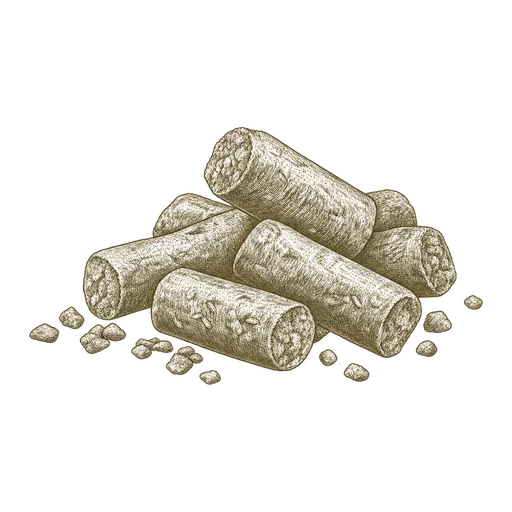
Explore ingredientAlfalfa pellets are ground, compressed forage used in livestock feeding and compound feeds. Compare the drying process, alfalfa material, forage analysis and pellet characteristics to choose a form that fits your ration and receiving setup.
Explore ingredientAlmond hulls are the dried outer layer of the almond fruit, sourced for ruminant feed as hull-only material or as a hull-and-shell mixture. Compare the lot’s composition, physical form, and handling needs before arranging a bulk shipment.
Explore ingredient