Grains
Alfalfa
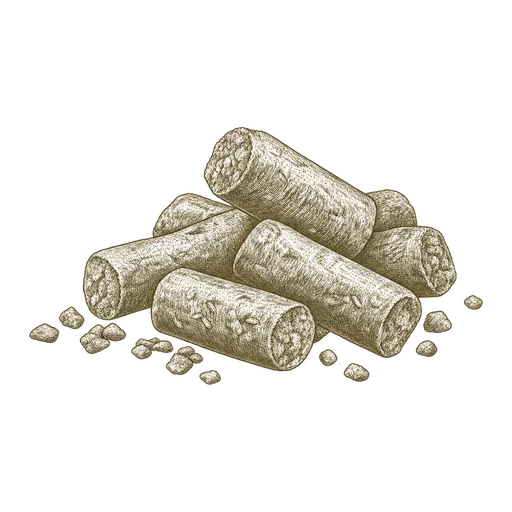
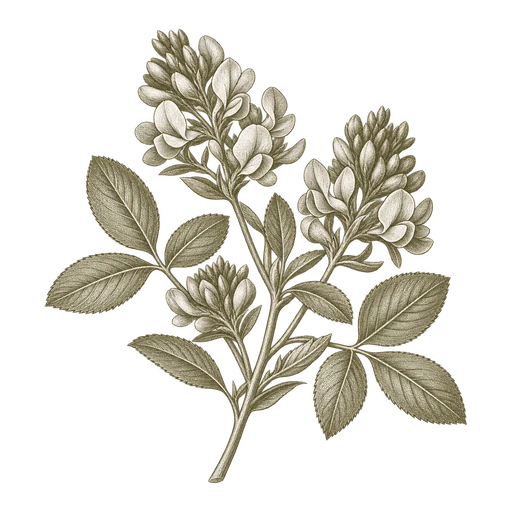
Alfalfa is a forage legume sourced as hay, silage, meal or pellets for livestock feed. Match the form to receiving and ration needs, then compare a lot-specific analysis on a consistent basis.
Explore ingredientRed millet is not a complete product specification. Define botanical identity, color, whole or processed form, and hull condition, then agree on relevant lot-quality measures and contract terms.
“Red millet” is a trade description, not a reliable botanical identity by itself. Millet names can cover different grains, and red may describe the appearance of a variety or lot rather than a distinct species. Two offers labeled red millet can therefore differ in what grain they contain.
Ask for the botanical name and have it stated in the product description or contract. Keep that identity separate from the commercial color description: specify whether the grain should be red, and how color variation or off-color kernels will be assessed. A photograph can help illustrate appearance, but it cannot establish species or replace written terms.
Whole versus processed describes the state of the grain; it does not settle its species or color. A whole-grain offer may contain intact kernels, while a processed product may be cleaned, dehulled, cracked or ground. Those forms behave differently in screening, conveying, storage and the intended formula.
Be especially precise with “hulled.” Buyers may use the word to mean that the outer hull is present or, conversely, that it has been removed. Avoid relying on that word alone. Write “hull intact” or “hull removed,” and specify whether you need whole kernels or another particle form. If the product will be used as birdseed or feed, the hull condition and degree of breakage can affect how the ingredient fits the intended use.
Moisture matters because it affects storage stability and the likelihood of deterioration during handling. Foreign material measures cleanliness and can include material that is not the intended grain. Broken kernels indicate physical damage or processing, which can change appearance and the amount of fines in a shipment. These measures answer different questions; a favorable result for one does not establish the others.
Request the lot’s actual results and the basis for each reported value. For nutrient analysis, identify which nutrients matter to your formulation and whether results are reported on an as-fed or dry-matter basis. That distinction matters because moisture changes the proportion of nutrients in the delivered grain. A current analysis tied to the lot is more useful for formulation than a general product description or an older, unlinked analysis.
There is no single set of acceptable limits for every buyer or application. Agree on the required measures, test basis and acceptance limits before contracting, using the needs of your process or feed formulation to set them. Do not assume that a product name alone promises a particular moisture, foreign-material, breakage or nutrient value.
A clear red millet specification connects identity, form and quality to the specific lot being purchased. State the botanical name; color expectation; whether the grain is whole, cracked or ground; and whether the hull is intact or removed. Then list the required quality measures and the limits that both parties have accepted.
Also settle how results will be established: identify the sampling approach, the test methods where required, and the documents that will accompany the shipment. Make sure the analysis refers to the lot being offered, not merely to a typical product profile. If a result is disputed, written sampling and acceptance terms provide a more useful basis for resolution than a broad claim such as “clean” or “high quality.”
Before comparing bulk quotes, check that each offer describes the same grain identity and physical form. A price comparison is not meaningful if one offer is hull-intact whole grain and another is dehulled or processed, or if the botanical identities differ. Tie the agreed specification to the quantity and shipment so receiving staff know what they are expected to inspect.
For a practical next step, review the red millet page and use its product name as the starting point for a defined sourcing request. Provide the botanical identity and hull condition you need, your quantity and destination, and the lot-quality terms that matter to your application. Lot-specific values and contract requirements should be established for the offer being considered.
No. The trade name alone does not reliably establish botanical identity. Specify the botanical name separately from the red color description.
The term can be used ambiguously. State “hull intact” or “hull removed,” and separately define whether you need whole kernels or a processed form.
Request current lot-specific results for the measures relevant to your purchase, such as moisture, foreign material, broken kernels and nutrient analysis. Specify the reporting basis for nutrient results and agree on acceptance limits before contracting.
Focused guides to the specification, application, and delivery questions behind this ingredient.
A practical receiving and storage plan for bulk red millet starts with quantity, destination, packaging and unloading. Treat general millet moisture guidance as context—not a guarantee—and assess the delivered lot and your facility’s storage conditions.
Read this InsightA practical guide to comparing whole and ground proso millet for poultry feed, with questions to resolve about grain identity, lot analysis and feed processing.
Read this InsightAlfalfa is a forage legume sourced as hay, silage, meal or pellets for livestock feed. Match the form to receiving and ration needs, then compare a lot-specific analysis on a consistent basis.
Explore ingredientAlfalfa meal is ground forage used in animal feed, with sun-cured and dehydrated processing routes and meal or pellet forms. Compare the offered process, physical form and analysis against the needs of the species and feed formulation.
Explore ingredientAlfalfa pellets are ground, compressed forage used in livestock feeding and compound feeds. Compare the drying process, alfalfa material, forage analysis and pellet characteristics to choose a form that fits your ration and receiving setup.
Explore ingredientAlmond hulls are the dried outer layer of the almond fruit, sourced for ruminant feed as hull-only material or as a hull-and-shell mixture. Compare the lot’s composition, physical form, and handling needs before arranging a bulk shipment.
Explore ingredient