Independent sourcing. Better connections.Commercial buyers · Bulk ingredients
tag

Bulk grains

Explore a mixed collection of cereal grains and black-eyed peas. Compare commodity identity, processing form and lot quality against the intended food or feed use.

8 ingredients6 published Insights
EXPLORE THE COLLECTION

Bulk grains ingredients

Pulses

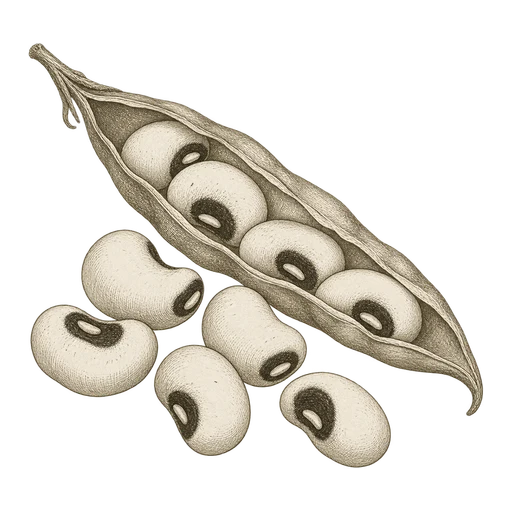
Black-Eyed Peas

Black-eyed peas are mature dry cowpea seeds sourced for human-food markets and processing. Compare whole or processed form, grain condition, moisture context, and the receiving and storage plan before arranging a bulk order.

Explore ingredient
Grains

Pearled Barley

Pearled barley is polished barley grain used mainly as a cooked food grain or milled into flour. Processing degree affects kernel characteristics and cooking performance, so define the form and quality measures needed for your operation.

Explore ingredient
Feed Ingredients

Red Millet

Red millet is a color-described grain used in feed and birdseed markets, but the name does not establish its species. Compare botanical identity, whole or processed form, hull status and lot analysis to match the grain to its intended use and receiving setup.

Explore ingredient
Milo (Sorghum)

Red Milo

Red milo is red-pericarp grain sorghum used as an energy ingredient in animal feed. Color does not establish tannin status, so compare the lot’s identity, physical quality and nutrient analysis, and choose whole or processed grain to match the feeding or milling system.

Explore ingredient
Grains

Rye

Rye grain is used in feed formulations and milled for food products such as bread flour. Whole, broken and ground forms differ in handling, while starch, soluble non-starch polysaccharides and grain condition shape how buyers evaluate rye for a specific use.

Explore ingredient
Grains

Triticale

Triticale is a wheat–rye cereal grain used mainly in livestock feed, with separate food and forage applications. Compare whole or processed forms and evaluate each lot’s condition and analysis against its intended use.

Explore ingredient

A mixed collection of grains and pulses

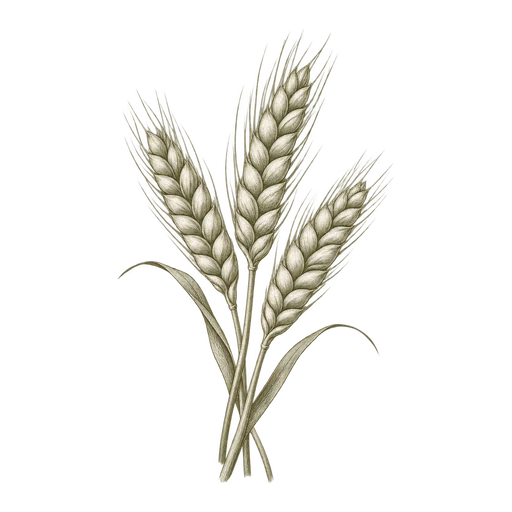
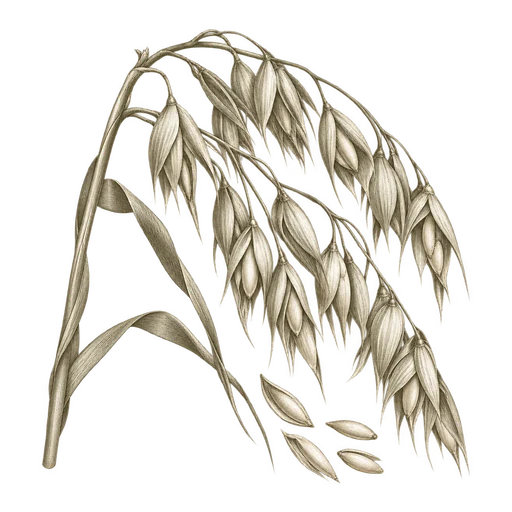
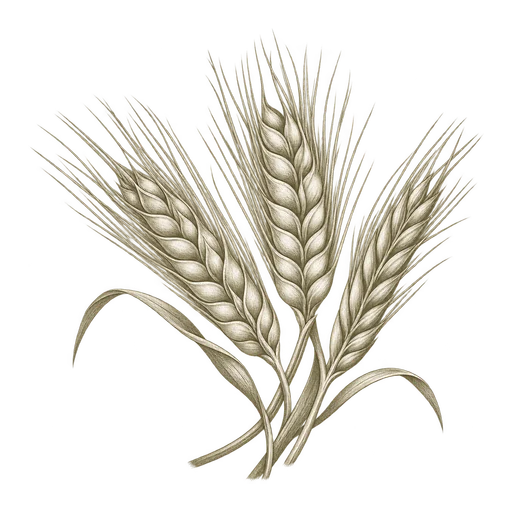
Bulk grains brings together cereal grains and one distinct pulse: oats, pearled barley, red millet, red milo, rye, triticale, wheat and black-eyed peas. Black-eyed peas are cowpeas, not cereal grains, so they belong to a different commodity and specification category. Red milo commonly refers to grain sorghum; confirm the commodity identity and any color or variety requirement for the lot.

The collection spans ingredients for different food and feed uses. Oats, wheat, rye, barley and triticale can be considered for food processing or feed, depending on their quality and form. Sorghum grain is used in food and animal feed. Black-eyed peas are edible pulses, but a particular lot’s suitability depends on its stated use and specifications.

Form and end use change the comparison

Pearled barley has been processed by abrading outer kernel layers; it is not interchangeable with unprocessed barley. Confirm the degree of pearling and whether the required form is whole, cracked or otherwise processed. For oats intended for milling, kernel condition and groat yield can matter; for feed, nutritional fit and the ration are central. These are different buying questions, not one universal grain grade.

Compare lots against their intended use rather than the shared “bulk grains” label. Identity, form, moisture, foreign material and damaged kernels are useful starting points. Food, milling or feed applications may call for additional tests specific to the product and destination.

Make lot quality and delivery requirements explicit

Ask for a specification and current lot documentation, including test methods, results basis and inspection date. Sampling matters: a report is useful only if it represents the lot being considered. Grain standards and quality factors differ by commodity, so one specification should not be assumed to cover the cereals and black-eyed peas alike.

Agree on the required quantity, packaging or transfer method, loading and unloading arrangements, and storage conditions for the specific order. Moisture and storage duration affect grain storability; requirements should match the crop, conditions and intended use.

Common questions.

Are all ingredients in this collection cereal grains?+

No. Black-eyed peas are cowpeas, a pulse. The other listed ingredients are cereal grains.

Can one grade or specification cover every ingredient?+

No. Requirements differ by commodity and intended use. Specify each ingredient and its required form, quality criteria and tests.

What should I check when comparing bulk grain lots?+

Start with commodity identity, form, intended use, moisture, cleanliness and lot-specific inspection or test results. Add end-use tests where needed.

Is pearled barley the same as whole barley?+

No. Pearling abrades outer layers of the barley kernel. Confirm the required degree of processing and resulting form.

Bulk grains · BUYER INSIGHTS

Go deeper before you source.

Focused guides to the specification, application, and delivery questions behind this ingredient.

FIELD GUIDE01Bulk grains
Buyer’s guide

Bulk Wheat Shipping and Storage: Documents, Handling, and Handoff Checks

A practical bulk wheat guide to planning shipment responsibilities, protecting cargo condition, matching records, coordinating sampling, and preparing for receipt and storage.

Read this Insight
FIELD GUIDE02Bulk grains
Buyer’s guide

Choosing Wheat for Bread Flour: Match Wheat Characteristics to Milling Goals

A practical guide to evaluating wheat for bread flour: connect grain characteristics and flour tests to the dough and baking performance your mill needs.

Read this Insight
FIELD GUIDE03Bulk grains
Buyer’s guide

Wheat Specifications: How to Compare Protein, Moisture, and Grade Requirements

Compare wheat specifications by separating grade and class from measured protein and moisture. Align reporting basis, test method, sampling and tolerances before making contract requirements.

Read this Insight
FIELD GUIDE04Bulk grains
Buyer’s guide

Planning bulk triticale grain receiving and storage

Plan a triticale grain order around a clear quantity, destination, receiving method and storage setup. Moisture and grain condition inform storage decisions, while shipment details depend on the offered lot and your facility.

Read this Insight
FIELD GUIDE05Bulk grains
Buyer’s guide

Triticale in swine and poultry diets: formulation questions

Triticale can contribute to swine and poultry diets, but its formulation value depends on the offered grain analysis, NSP characteristics, physical form, animal species and the rest of the ration. Understand those decisions before defining the feed specification and sourcing requirement.

Read this Insight
FIELD GUIDE06Bulk grains
Buyer’s guide

Triticale grain quality: comparing moisture, test weight and condition

Moisture, test weight, foreign material and condition describe different aspects of a triticale lot. Learn how to compare the measures, interpret their limits and request lot-specific records and sampling details.

Read this Insight