Grains
Alfalfa
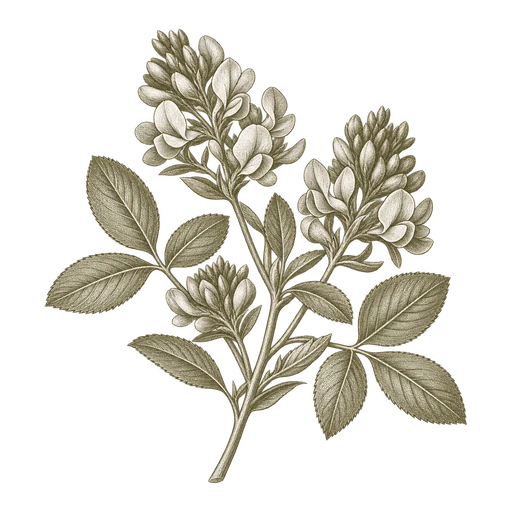
Alfalfa is a forage legume sourced as hay, silage, meal or pellets for livestock feed. Match the form to receiving and ration needs, then compare a lot-specific analysis on a consistent basis.
Explore ingredientA practical guide to comparing whole and ground proso millet for poultry feed, with questions to resolve about grain identity, lot analysis and feed processing.
Before discussing how whole red millet might fit a poultry ration, establish what the product actually is. “Red millet” is a trade name, not enough by itself to confirm the grain species. If the formulation question concerns whole proso millet, ask the supplier to identify the species as proso millet and make sure the product description and any analysis refer to that same grain.
This matters because a nutritionist cannot reliably evaluate an ingredient from its color or common name alone. Millet types are not interchangeable by default: identity determines which ingredient the formulation discussion concerns. Ask what documentation or product description supports the identity, and whether the available lot analysis is for the lot being offered.
Whole proso millet retains the intact kernel; grinding reduces it to smaller particles. That physical difference affects how the grain is handled and incorporated into a ration. Whole kernels remain visibly distinct, while ground millet contributes particles that can be blended with other ground ingredients.
Particle size and uniformity are practical formulation questions, not just appearance. A nutritionist or feed manufacturer may need to consider whether the intended process can handle whole kernels, whether a ground form is needed for mixing, and how particle differences could affect the finished feed. A ground product also needs a defined particle-size description if that property matters to the process. Do not assume that a product called red millet is whole or ground; specify the form being evaluated.
Neither form is automatically the better choice. The decision depends on the poultry diet, the rest of the formulation, and how the feed is made and delivered. A qualified poultry nutritionist should assess the grain in context rather than treating a change in particle size as a simple one-for-one substitution.
A grain’s identity tells you what ingredient you are discussing; its lot analysis helps the nutritionist evaluate the material being considered. Ask whether current analysis is available for the specific lot, what measures it includes, and how the values are reported. Moisture, protein, fat, fiber and ash are examples of measures that can help describe a grain, but no value should be assumed from the ingredient name.
The useful question is not only “What is the analysis?” but “Which parts of it affect this formulation?” The nutritionist can determine which measures matter for the intended poultry feed and whether the supplied results are sufficient for that decision. If results are reported on different bases, ask the nutritionist how to compare them consistently. A generic specification or an analysis from another lot may not describe the grain under consideration.
Discuss the physical form alongside the formulation. If the facility receives and mixes whole grain, ask whether intact kernels fit its existing feed process. If ground millet is under consideration, clarify the particle-size expectations and whether the grinding is already part of the supplied product or would occur at the feed mill. These details help distinguish the ingredient’s nutritional role from the equipment and mixing decisions around it.
Also ask how the proposed ingredient interacts with the complete ration, rather than evaluating millet in isolation. The nutritionist can consider the other ingredients, the target poultry group and the feed’s intended form. This article does not establish an inclusion rate: that decision requires a qualified nutritionist working from the actual formulation and relevant product data.
For a useful discussion of whole red millet for poultry feed formulation, have the intended form, species identity, quantity, delivery destination and timing ready. Request the current lot analysis and clarify whether the offer is whole or ground. Share any receiving or processing constraints that could affect which form your facility can use.
Then review the ingredient and lot information with a qualified poultry nutritionist before setting a formulation. For buyers defining this requirement, the Red Millet sourcing page is the next step for connecting the grain identity and desired form with a bulk sourcing inquiry.
Do not rely on the common name alone. Ask the supplier to identify the species as proso millet and check that the product description and current lot analysis refer to that same grain.
Whole grain retains intact kernels; grinding creates smaller particles. That changes how the ingredient is handled and incorporated into feed. The appropriate form depends on the formulation and feed-manufacturing process, so a qualified poultry nutritionist should assess it in context.
Request current analysis for the specific lot and ask what measures it reports. A nutritionist can determine which results—such as moisture, protein, fat, fiber or ash—are relevant to the intended ration and whether the information is sufficient.
Focused guides to the specification, application, and delivery questions behind this ingredient.
A practical receiving and storage plan for bulk red millet starts with quantity, destination, packaging and unloading. Treat general millet moisture guidance as context—not a guarantee—and assess the delivered lot and your facility’s storage conditions.
Read this InsightRed millet is not a complete product specification. Define botanical identity, color, whole or processed form, and hull condition, then agree on relevant lot-quality measures and contract terms.
Read this InsightAlfalfa is a forage legume sourced as hay, silage, meal or pellets for livestock feed. Match the form to receiving and ration needs, then compare a lot-specific analysis on a consistent basis.
Explore ingredientAlfalfa meal is ground forage used in animal feed, with sun-cured and dehydrated processing routes and meal or pellet forms. Compare the offered process, physical form and analysis against the needs of the species and feed formulation.
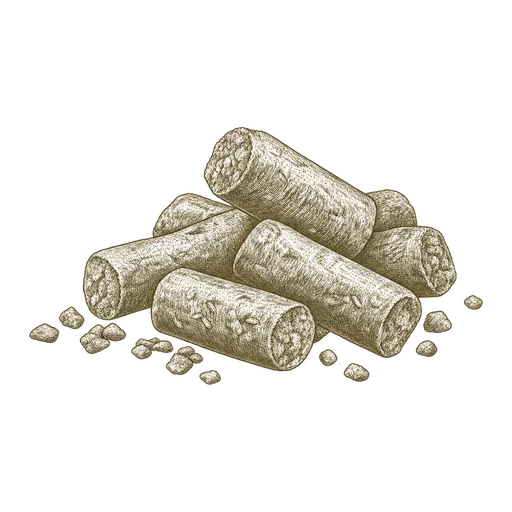
Explore ingredientAlfalfa pellets are ground, compressed forage used in livestock feeding and compound feeds. Compare the drying process, alfalfa material, forage analysis and pellet characteristics to choose a form that fits your ration and receiving setup.
Explore ingredientAlmond hulls are the dried outer layer of the almond fruit, sourced for ruminant feed as hull-only material or as a hull-and-shell mixture. Compare the lot’s composition, physical form, and handling needs before arranging a bulk shipment.
Explore ingredient