Independent sourcing. Better connections.Commercial buyers · Bulk ingredients
tag

Grain storage and handling

Grain storage and handling brings together whole grains and processed grain forms, including wheat, oats, rice, millet, sorghum, ground corn and oat groats. These products differ in identity and physical form, so the collection is a useful starting point—not a shared specification or a guarantee of availability. For bulk purchasing, focus on the exact lot and how it will be received, stored and used.

20 ingredients6 published Insights
EXPLORE THE COLLECTION

Grain storage and handling ingredients

Grains

Brewers Rice

Brewers rice is a broken-rice milling fraction used in brewing, fermented products and animal feed. Compare broken, granulated or ground forms and review lot-specific physical and analytical details before sourcing in bulk.

Explore ingredient
Grains

Brown Rice

Brown rice is hulled rice with its bran layers retained, sourced as whole kernels or flour for food uses. Specify grain class, processing state and quality requirements, then match packaging and storage plans to your facility.

Explore ingredient
Grains

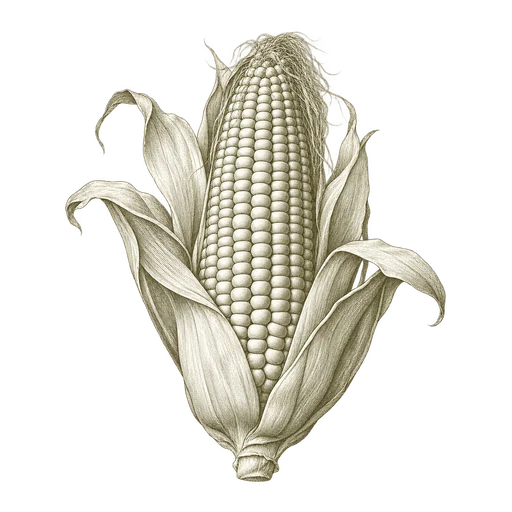
Ground Corn

Ground corn is milled corn grain used as an energy ingredient in livestock diets and commercial feed. Because the name does not define grind size, analysis or intended use, buyers should specify the particle-size requirement and quality measures that fit their process.

Explore ingredient
Seeds, Grains & Specialty

Hulled Millet

Hulled millet is millet grain with its outer covering removed, sold as whole grain and also used in flour or precooked forms. Species and processing status distinguish offers and help food manufacturers match the ingredient to their production method.

Explore ingredient
Other Seeds & Grains

Oat Groats

Oat groats are dehulled oat kernels used in food processing and feed formulations. Specify whole or cut form and processing history, then compare relevant quality measures on a consistent basis.

Explore ingredient
Feed Ingredients

Oats & Oat Products

Oats are sourced as whole grain and as distinct products such as groats, flakes, flour, bran and hulls. Match the form and its analysis to the food or feed application, then plan bulk receiving and storage around that specific material.

Explore ingredient
Grains

Pearled Barley

Pearled barley is polished barley grain used mainly as a cooked food grain or milled into flour. Processing degree affects kernel characteristics and cooking performance, so define the form and quality measures needed for your operation.

Explore ingredient
Feed Ingredients

Red Millet

Red millet is a color-described grain used in feed and birdseed markets, but the name does not establish its species. Compare botanical identity, whole or processed form, hull status and lot analysis to match the grain to its intended use and receiving setup.

Explore ingredient
Millet

Red Proso

Red proso is red-seeded proso millet sold for markets that include feed and birdseed. Choose whole, cracked or ground grain to fit the end use, and compare lot-specific physical quality and analysis against the buyer’s requirements.

Explore ingredient
Other Seeds & Grains

Rice (White or Brown)

Bulk rice is sourced as brown or milled white rice, with whole- and broken-kernel options. The right choice depends on the end use: milling form changes the grain’s composition, while grain type, kernel condition and lot analysis help determine whether it fits a food process or feed formulation.

Explore ingredient
Grains

Rye

Rye grain is used in feed formulations and milled for food products such as bread flour. Whole, broken and ground forms differ in handling, while starch, soluble non-starch polysaccharides and grain condition shape how buyers evaluate rye for a specific use.

Explore ingredient
Feed Ingredients

Sorghum/Milo

Sorghum, also called milo, is a cereal grain used in livestock diets and some human foods. Compare whole, rolled or ground forms, physical grade measures and use-specific analysis to match the grain to your receiving system and formulation.

Explore ingredient
Grains

Spelt

Spelt is a hulled wheat sourced as grain, dehulled kernels, flour, or separated hulls. Choose the form for the intended food or feed use, and compare lot-specific functionality or feed analysis rather than assuming all spelt is equivalent.

Explore ingredient
Grains

Teff

Teff is a small-seeded cereal sourced as food grain or flour and separately as forage or straw. Naming the form and intended use helps buyers compare the right quality measures, plan receiving and protect the product in storage.

Explore ingredient
Grains

Triticale

Triticale is a wheat–rye cereal grain used mainly in livestock feed, with separate food and forage applications. Compare whole or processed forms and evaluate each lot’s condition and analysis against its intended use.

Explore ingredient
Feed Ingredients

White Millet

White millet commonly refers to white-seeded proso millet, sourced for food products, birdseed, and livestock feed. Identify the species, hull status, and processing form to match the grain to its intended use.

Explore ingredient
Milo (Sorghum)

White Milo

White milo is white-class grain sorghum sold for feed and, when the lot meets end-user requirements, food processing. Compare whole and processed forms, grain condition, and the analysis and handling details your use requires.

Explore ingredient
Millet

White Proso

White proso millet is white-seeded Panicum miliaceum used in birdseed, livestock feed and food processing. Compare whole, cracked or ground forms and specify the identity, quality analysis and receiving needs that fit the intended use.

Explore ingredient

Grains and forms in this collection

This collection brings together grains and grain products such as wheat, rye, oats, rice, millet, sorghum, spelt, triticale, teff and ground corn. It also includes named forms such as oat groats, pearled barley and brewers rice. The collection groups products around storage and handling; it does not mean they share the same storage limits or specifications.

Names like “ground,” “hulled,” “pearled” and “groats” identify a form or product category, not a complete specification. Verify the exact product description and intended form for the lot you are considering.

Why grain form and storage plans matter

Whole grains and processed forms can differ in how they are received and handled. Ground corn, for example, is a different physical form from whole grain corn. Do not assume a product name alone specifies particle size, cleanliness, moisture or suitability for a particular use.

Moisture, temperature, airflow and storage duration affect grain storage planning. Guidance for wheat or barley should not be transferred automatically to rice, millet, sorghum, corn or processed grains. Use guidance specific to the exact commodity and form.

Questions to settle before a bulk purchase

Confirm the product identity and processing description, then review lot-specific moisture and its measurement basis, along with available information on fines or foreign material. These details help you assess the product against your own receiving and storage requirements rather than relying on a category name.

Consider the condition of the receiving area and conveying equipment, as well as plans for airflow and ongoing monitoring. Bulk unloading and grain-bin work also involve serious safety hazards; facility procedures should address safe unloading and prevent untrained entry into grain storage.

Common questions.

Can I use one moisture limit for every grain in this collection?+

No. Moisture guidance depends on the commodity, product form and planned storage period. Use guidance for the specific grain rather than applying a wheat or barley limit to other products.

What lot details are useful when comparing bulk grain?+

Check the exact product form, lot-specific moisture and measurement basis, and available information about fines or foreign material.

Does this collection establish whether a grain is suitable for food or feed?+

No. Collection membership does not establish end-use suitability. Check the specific lot’s product information against your requirements.

What should I plan for when receiving grain in bulk?+

Make sure the receiving area and conveying equipment are ready, and plan storage and monitoring around the grain’s specific form and storage guidance. Follow facility safety procedures during unloading and any grain-bin work.

Grain storage and handling · BUYER INSIGHTS

Go deeper before you source.

Focused guides to the specification, application, and delivery questions behind this ingredient.

FIELD GUIDE01Grain storage and handling
Buyer’s guide

Planning bulk white proso millet receiving and storage

Plan a white proso millet order around the receiving site's form, quantity, destination, timing, packaging and unloading needs. Protect the grain from moisture and contamination, and establish lot-specific requirements for the actual offer.

Read this Insight
FIELD GUIDE02Grain storage and handling
Buyer’s guide

Choosing white proso millet for birdseed mixes

A practical guide to choosing white proso millet for wild-bird and caged-bird mixes, with attention to seed color, grain form and blend-specific requirements.

Read this Insight
FIELD GUIDE03Grain storage and handling
Buyer’s guide

White proso millet quality analysis: what to compare

A practical guide to separating white proso millet identity, appearance, form and lot analysis—and making quality results comparable before purchase.

Read this Insight
FIELD GUIDE04Grain storage and handling
Buyer’s guide

White Milo Storage and Receiving: Moisture, Aeration, and Delivery Planning

Plan bulk white milo receiving around lot moisture, unloading capacity and sorghum’s higher resistance to airflow than corn. Match storage and aeration decisions to the grain’s condition and your facility.

Read this Insight
FIELD GUIDE05Grain storage and handling
Buyer’s guide

Processing White Milo for Cattle: Whole, Rolled, or Ground?

Whole, rolled, cracked and ground white milo differ in how much of the kernel is exposed and how readily cattle can access its starch. Compare forms in the context of the complete ration and feeding program.

Read this Insight
FIELD GUIDE06Grain storage and handling
Buyer's guide

White Milo Grade and Analysis: Which Measures Should Buyers Compare?

A buyer’s guide to distinguishing white milo class from grade and lot analysis, and comparing quality measures against a defined end use.

Read this Insight