Grains
Alfalfa
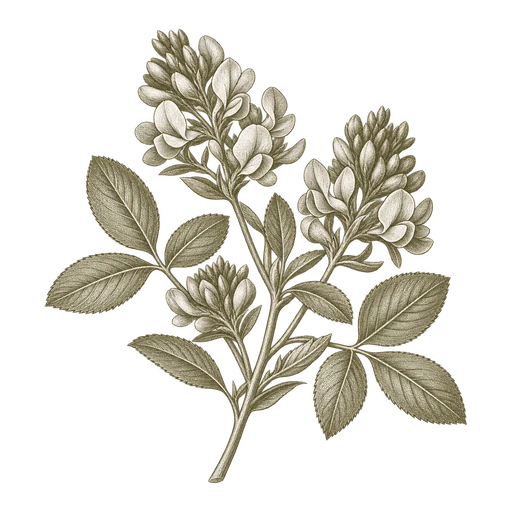
Alfalfa is a forage legume sourced as hay, silage, meal or pellets for livestock feed. Match the form to receiving and ration needs, then compare a lot-specific analysis on a consistent basis.
Explore ingredientPlan bulk corn syrup solids receiving around your order details, facility constraints and the specific product’s storage instructions.
A bulk corn syrup solids order is easiest to receive when the requested quantity, destination, timing and packaging preference are considered together. Corn syrup solids are dried glucose syrup supplied as a dry ingredient. The form and package offered determine how the material reaches your storage area and how it can be transferred into production.
Before requesting a quote, state the quantity and unit your team uses, the delivery destination and the date or delivery window that fits your production schedule. Include any receiving constraints: for example, whether the site can accept only a particular package type, has limited unloading access, or needs an appointment. These details help assess whether the proposed shipment can be received without disrupting operations.
Packaging is not a minor detail for a dry powder. It affects how the shipment is unloaded, where it can be staged and how material moves from receiving into storage or a production line. Describe your facility’s actual setup rather than requesting a package format by name alone: note the unloading equipment, available space, access restrictions and how operators handle the ingredient after receipt.
Packaging options and shipment arrangements depend on the specific offer. Ask what package is being quoted and whether it is compatible with your site’s receiving method. If your facility cannot handle the offered format, resolving that before an order is arranged is simpler than discovering the mismatch when the shipment arrives.
Corn syrup solids are a dry carbohydrate ingredient, but a category name does not establish the storage conditions or shelf life for every offer. Use the current label or technical sheet for the specific product to determine its storage instructions and stated shelf life. Do not substitute a general assumption for the information supplied with the lot.
Moisture exposure is an important practical consideration for dry powdered ingredients: it can affect how freely material flows and can contribute to clumping. Plan to keep the product protected from moisture and contamination, and follow any temperature, package-closure or handling directions stated on the offered product’s documentation. If the label or technical sheet does not answer a storage question your facility needs to resolve, request that information before scheduling receipt.
The delivery date should make sense for both the receiving team and the production plan. Share when the ingredient is needed, when the site can accept deliveries and any restrictions on receiving hours or appointment scheduling. If the order will be staged before use, confirm that the intended storage location and handling process are ready for the quoted package.
Also identify who will check the shipment on arrival and what information they need to reconcile it with the purchase order. Aligning the order description, quantity unit and receiving records reduces avoidable confusion between what was requested and what the site expects to unload.
A useful inquiry gives the broker enough information to discuss a specific offer: corn syrup solids, the required quantity and unit, delivery destination, preferred timing, packaging preference and any facility limits on unloading or storage. Add the quality or documentation requirements that matter to your application, and request the current label or technical sheet so your team can review the product-specific storage guidance.
Delivered pricing can depend on the quoted product and package, order quantity, destination and shipment arrangements. State those details together rather than comparing a product-only figure with a delivered quote. For bulk corn syrup solids sourcing, start with the corn syrup solids page and include your receiving requirements so the discussion can focus on an offer your facility can handle.
Provide the quantity and unit, delivery destination, requested timing, packaging preference and facility receiving constraints. Include any product quality or documentation requirements relevant to your use.
Use the current label or technical sheet for the specific offered product. Storage directions and stated shelf life should come from that product’s documentation, not a category-wide assumption.
Check that the quoted package matches your unloading and staging setup, that the site is ready to receive it, and that the product documentation provides the storage instructions your team needs.
Focused guides to the specification, application, and delivery questions behind this ingredient.
Corn syrup solids can enter a dry blend as a powder and may also need to disperse when the finished mix meets liquid. DE, particle characteristics and actual preparation conditions answer different formulation questions; define the required grade around the process.
Read this InsightA practical guide to interpreting corn syrup solids DE and comparing it with moisture, physical properties and the specification details that affect formulation decisions.
Read this InsightAlfalfa is a forage legume sourced as hay, silage, meal or pellets for livestock feed. Match the form to receiving and ration needs, then compare a lot-specific analysis on a consistent basis.
Explore ingredientAlfalfa meal is ground forage used in animal feed, with sun-cured and dehydrated processing routes and meal or pellet forms. Compare the offered process, physical form and analysis against the needs of the species and feed formulation.
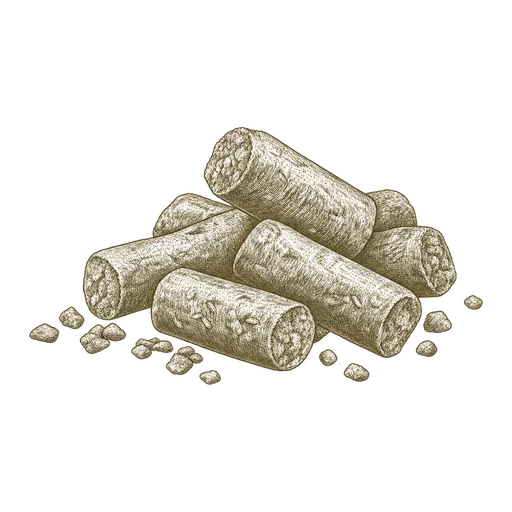
Explore ingredientAlfalfa pellets are ground, compressed forage used in livestock feeding and compound feeds. Compare the drying process, alfalfa material, forage analysis and pellet characteristics to choose a form that fits your ration and receiving setup.
Explore ingredientBeet pulp pellets are a dried, compacted sugar beet co-product used as a fibrous, energy-bearing ingredient in livestock feed. Compare molasses status, lot analysis and pellet handling needs to match the product to your ration and receiving setup.
Explore ingredient