A dry carbohydrate ingredient
The powder form lets food formulators work with dried corn-syrup solids rather than a liquid syrup. Consider how it will be blended or dispersed in the specific process.
Ingredient intelligence · quote-ready sourcing
Corn syrup solids are dried corn syrup supplied as a powder and used as a carbohydrate ingredient in food formulations. Compare dextrose equivalent, moisture and physical properties to match the grade to your process.
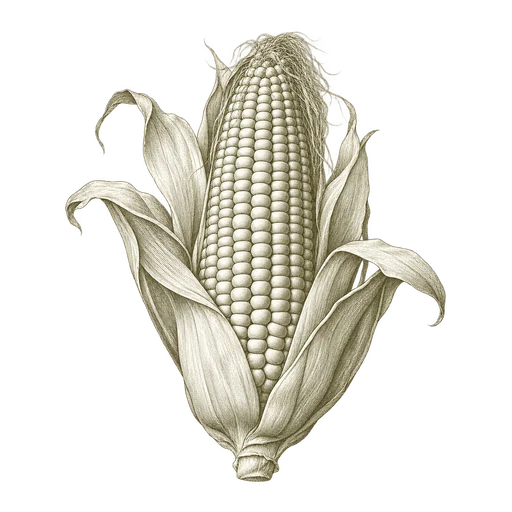
Corn syrup solids are the dried form of corn syrup, a mixture of glucose and other products created by breaking down corn starch. They are not pure dextrose, and they are distinct from high-fructose corn syrup.
The dry powder form is useful when a formulation calls for carbohydrate solids without sourcing a liquid syrup. DE and physical properties differ by grade, so compare the offered specification with the recipe and process.
The powder form lets food formulators work with dried corn-syrup solids rather than a liquid syrup. Consider how it will be blended or dispersed in the specific process.
Dextrose equivalent indicates the degree of starch hydrolysis. Comparing DE helps a formulator distinguish products whose saccharide composition may affect their role in a recipe.
Moisture, particle characteristics and solubility describe different aspects of the powder. Which matters most depends on whether the process blends it dry or incorporates it into liquid.
| Characteristic | Why it matters |
|---|---|
| Dextrose equivalent (DE) | Indicates the degree of starch hydrolysis and helps distinguish grades. |
| Moisture and measurement basis | Describes water content; the basis and limit should match the formulation requirement. |
| Particle characteristics | Relevant to powder handling, blending and incorporation into the process. |
| Solubility | Matters when the powder is incorporated into a liquid phase. |
| Chemical and microbiological limits | Compare the limits required by the intended food use with the offered specification. |
Values and limits are product-specific. Review the current specification and lot analysis for the offered product.
Corn syrup solids provide carbohydrate in a dry ingredient form. Their saccharide composition and physical properties influence how they fit into a formulation, so the intended process matters: a powder being blended into a dry mix presents different handling and dispersion questions from one being dissolved into a liquid.
Corn syrup is used in food for functions that can include sweetening, texturizing and humectancy, but those functions should not be assumed for every corn syrup solids grade. The specific product and recipe determine performance. For feed or pet-food use, do not infer suitability from human-food functionality; confirm intended-use status, applicable requirements and nutritional suitability with qualified specialists.
Start with the formulation's required DE and the physical form needed at your plant. Then compare moisture basis and limit, particle or solubility requirements, and any chemical or microbiological limits relevant to the finished product. Ask whether a specification describes a typical result or a limit, and check that the lot documentation uses the same measurement basis as your requirement.
Corn syrup solids are supplied as a dry powder, but packaging, storage instructions, shelf life and order terms depend on the actual offer. Include your quantity and unit, destination, timing and receiving setup in the sourcing request. For storage and handling, use the offered product's current label or technical sheet; do not assume one supplier's packaging or storage guidance applies to another.
The powder form can be considered for dry formulations that require a carbohydrate ingredient. Particle characteristics and blending behavior are relevant to how it incorporates into the mix.
Corn syrup solids contribute carbohydrate in dried form. The grade's DE and the recipe determine how it fits; do not assume every grade delivers the same formulation behavior.
When a recipe is built around a particular degree of starch hydrolysis, compare the offered DE with the formulation target. Confirm the stated value and basis in the product specification.
Identify corn syrup solids, the required DE and any relevant moisture or physical-property limits. Include quantity and unit, destination and requested timing so the specific product and delivery can be evaluated together.
State the packaging needed and how your facility receives dry powder, including any unloading or access constraints. Packaging and receiving arrangements depend on the offer, so these details are necessary to assess a workable shipment.
Request the offered product's current label or technical sheet for storage conditions and shelf-life information. The reviewed product information does not establish universal humidity limits or storage instructions for all corn syrup solids.
Alfalfa is a forage legume sourced as hay, silage, meal or pellets for livestock feed. Match the form to receiving and ration needs, then compare a lot-specific analysis on a consistent basis.
Explore ingredientAlfalfa meal is ground forage used in animal feed, with sun-cured and dehydrated processing routes and meal or pellet forms. Compare the offered process, physical form and analysis against the needs of the species and feed formulation.
Explore ingredientAlfalfa pellets are ground, compressed forage used in livestock feeding and compound feeds. Compare the drying process, alfalfa material, forage analysis and pellet characteristics to choose a form that fits your ration and receiving setup.
Explore ingredientBeet pulp pellets are a dried, compacted sugar beet co-product used as a fibrous, energy-bearing ingredient in livestock feed. Compare molasses status, lot analysis and pellet handling needs to match the product to your ration and receiving setup.
Explore ingredientNo. Corn syrup solids contain glucose and other products of starch hydrolysis; dextrose is glucose. Their saccharide composition depends in part on the degree of hydrolysis.
Dextrose equivalent, or DE, indicates the degree of starch hydrolysis. It helps distinguish grades, but no single DE value applies to all corn syrup solids. Compare the value and basis on the offered product's specification with your formulation requirement.
The product grade and specification, quantity, packaging, destination and delivery timing all affect a delivered quote. Share those details so the broker handling the inquiry can assess the specific offer and freight.
Send your volume, destination, and key specifications. A broker can follow up with availability and commercial terms.