Grains
Alfalfa
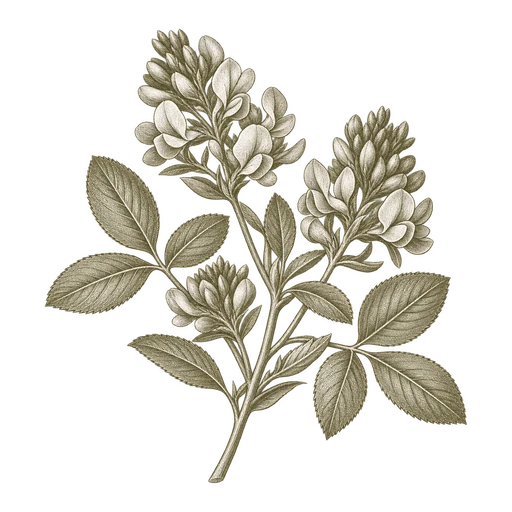
Alfalfa is a forage legume sourced as hay, silage, meal or pellets for livestock feed. Match the form to receiving and ration needs, then compare a lot-specific analysis on a consistent basis.
Explore ingredientCompare corn grain lots more clearly by aligning moisture and nutrient measurement bases, reviewing physical condition separately from laboratory results, and interpreting mycotoxin tests against the intended use.
A useful corn grain comparison starts with the basis of each reported value. Nutrient results may be stated as received or on a dry-matter basis. As-received values include the water in the grain; dry-matter values express the composition after accounting for that water. Comparing one lot on each basis can make nutrient concentrations appear different even when the underlying grain is similar.
Moisture is also central to interpreting a lot’s analysis. Record the reported moisture alongside nutrient results and note the basis, units and test information shown on the analysis. If two reports use different bases, have the values converted consistently before comparing them. Otherwise, differences may reflect reporting conventions rather than meaningful differences in the grain.
Use the same approach when comparing successive offers or shipments. A clear record of lot identity, sample date and measurement basis helps connect the reported figures to the specific corn being considered, rather than treating a result as a general description of all corn from a supplier or origin.
Moisture helps buyers assess a lot’s condition and plan storage and handling. A moisture result is most useful when it is tied to an identified lot and interpreted alongside the intended storage arrangement and receiving schedule. It should not be treated as a stand-alone guarantee of storage performance.
Physical observations add context. Broken or visibly damaged kernels, foreign material, unusual odor, or evidence of heating can affect handling decisions and may prompt closer review. These observations describe visible condition; they do not replace a documented analysis or establish the grain’s nutrient composition.
Compare physical-condition notes consistently across lots, and distinguish what was observed from what was measured. A general description such as “clean” is less informative than a report that identifies the condition assessed and relates it to the delivered lot.
Corn’s nutrient analysis matters because buyers use it to evaluate how the grain fits a specific feed or processing requirement. The relevant measures depend on that use. A buyer comparing lots for a ration, for example, needs analysis that can be interpreted within the formulation process; a buyer with a different end use may prioritize other quality measures.
Before comparing figures, check that the reports identify the same nutrients, units and measurement basis. Also note whether results are reported as measured or calculated, when that information is available. A difference in analyte, basis or reporting convention can make a direct comparison misleading.
Analysis is most useful when the buyer’s acceptance criteria are defined in advance. That lets the buyer judge the reported values against the intended use instead of relying on a general label or an unexplained number. There is no single nutrient profile that establishes suitability for every application.
Visible damage cannot determine a corn lot’s mycotoxin concentration. Appearance may reveal physical problems, but mycotoxins are assessed through testing; kernels that look sound do not by themselves establish that a lot meets a buyer’s requirements. Conversely, visible damage alone does not establish a particular mycotoxin result.
Mycotoxin results depend on the sample and the test performed. Because contamination can be unevenly distributed, the sample needs to represent the lot as well as the buyer’s sampling plan allows. When reviewing a report, connect it to the lot and check which mycotoxin was tested, the method or laboratory information provided, the units, and any stated reporting limit. Results for one analyte do not answer questions about others.
Acceptance criteria should reflect the intended use and applicable buyer requirements, not an assumed universal cutoff. Where a result will determine acceptance, agree on the relevant analytes, sampling approach, test method and decision criteria before relying on the result. Any proposed method or limit should be checked for that specific use.
A practical comparison sheet can put each offer on equal footing: identify the lot; record moisture and the basis of nutrient values; note units and test details; summarize physical condition; and include mycotoxin results when they are required for the intended use. Mark missing or non-comparable information rather than treating it as equivalent.
For a sourcing request, state the corn form and intended use, the quality measures that matter, and the buyer’s acceptance criteria. Include the required quantity, destination and receiving constraints so the offer can be considered in its actual purchasing context. Lot-specific test information, available analyses and commercial terms need to be established for the particular offer.
Use the [corn sourcing page](/ingredients/corn) to describe the quality information your purchase requires and request a lot comparison aligned with those needs.
Yes. Visual inspection describes visible condition, but it does not measure mycotoxins. Use an appropriate test on a sample tied to the lot and interpret the result against the criteria for the intended use.
As-received values include the grain’s moisture, while dry-matter values account for it. Comparing results on different bases can make nutrient concentrations appear different for reasons unrelated to the underlying composition.
Connect the report to the lot and review the analyte tested, sample information, method or laboratory details, units and any stated reporting limit. Confirm that the test and acceptance criteria match the buyer’s intended use.
Focused guides to the specification, application, and delivery questions behind this ingredient.
Plan a bulk corn order around the form your facility can receive, the shipment’s lot condition and the time the grain will remain in storage. Clear details on quantity, destination, timing and unloading help align the order with your operation.
Read this InsightCompare whole kernels, cracked corn and ground corn by particle size and feed-preparation role, then match the form to your ration and handling system.
Read this InsightAlfalfa is a forage legume sourced as hay, silage, meal or pellets for livestock feed. Match the form to receiving and ration needs, then compare a lot-specific analysis on a consistent basis.
Explore ingredientAlfalfa meal is ground forage used in animal feed, with sun-cured and dehydrated processing routes and meal or pellet forms. Compare the offered process, physical form and analysis against the needs of the species and feed formulation.
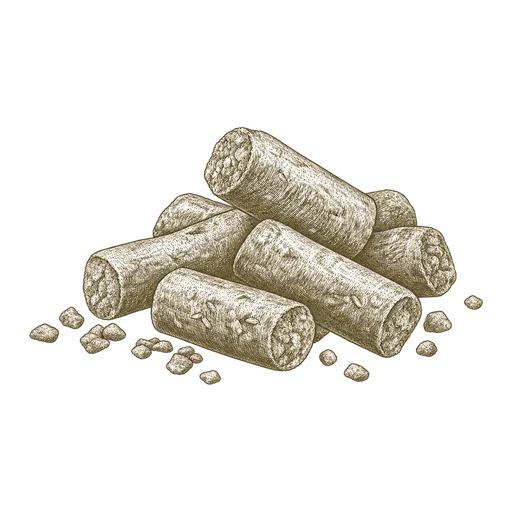
Explore ingredientAlfalfa pellets are ground, compressed forage used in livestock feeding and compound feeds. Compare the drying process, alfalfa material, forage analysis and pellet characteristics to choose a form that fits your ration and receiving setup.
Explore ingredientBeet pulp pellets are a dried, compacted sugar beet co-product used as a fibrous, energy-bearing ingredient in livestock feed. Compare molasses status, lot analysis and pellet handling needs to match the product to your ration and receiving setup.
Explore ingredient