Grains
Alfalfa
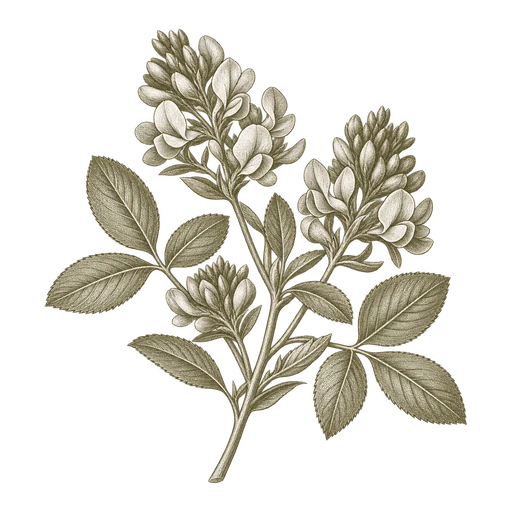
Alfalfa is a forage legume sourced as hay, silage, meal or pellets for livestock feed. Match the form to receiving and ration needs, then compare a lot-specific analysis on a consistent basis.
Explore ingredientPlan a bulk corn order around the form your facility can receive, the shipment’s lot condition and the time the grain will remain in storage. Clear details on quantity, destination, timing and unloading help align the order with your operation.
Planning bulk corn starts with the receiving point, not just the amount you want to buy. Identify the corn form, quantity and unit, delivery destination, preferred timing and the method your facility can accept. Whole, cracked and ground corn are different physical products; the form affects the equipment and handling steps needed after delivery.
Describe the receiving setup in practical terms: how material is unloaded, what equipment or connection it must fit, and whether there are limits on vehicle access, unloading hours or storage capacity. These details help determine whether a proposed shipment can be received without disrupting operations. Do not assume a particular packaging or transport arrangement is available; it must match the offer and your facility.
Give a target delivery window and explain when the corn will be used. A shipment going directly into production has different planning needs from one that will remain in storage before use. The intended holding period helps frame questions about the condition of the grain at receipt and whether the storage space is appropriate for the planned inventory.
Also account for the time needed to receive and move the order. Confirm your receiving hours, staffing and available storage space for the planned arrival period. If deliveries must be coordinated with production or other incoming ingredients, state that early so the shipment schedule can be discussed against real facility constraints.
Moisture and physical condition are central to storage planning. Grain moisture affects how safely corn can be held; warmer or wetter conditions can increase the potential for deterioration. Broken kernels, fines and foreign material can also change how grain flows and is handled. A lot’s starting condition and the storage environment work together, so the same planned holding period should not be treated as appropriate for every lot or facility.
Before placing an order, determine what information is available for the specific lot, including moisture and a description or assessment of physical condition. Consider the storage space’s condition and management practices as well as the expected time before use. Do not rely on an assumed shelf life or a general moisture limit: the suitable acceptance criteria depend on the corn, its intended use and the storage arrangement.
Tell the seller or broker how corn will be unloaded and where it will go after unloading. A bulk receiving setup, a packaged-material process and a system designed for ground corn are not interchangeable. Confirm the offered form and packaging, if applicable, alongside the receiving method, so there is no mismatch between the shipment and your equipment.
Plan for clean, suitable storage that protects the corn from moisture exposure and contamination. Make sure there is room for the order and a clear path from the receiving point to its storage location. Keep the lot’s identity and condition information with the receiving record so that the corn can be managed according to its intended use and holding plan.
A useful corn inquiry gives the sourcing partner enough detail to assess the shipment: form, quantity and unit, destination, requested timing, receiving method, relevant storage constraints and intended holding period. State any quality requirements, such as the moisture information or physical condition you need to review, and clarify how those details should be reported for the offered lot.
Before finalizing, confirm the specific shipment’s form, lot information, packaging or delivery arrangement, timing and any terms that affect receiving. Freight cost and arrangements depend on the shipment and destination, so request those details for the actual order rather than estimating from a generic bulk quote. For a complete sourcing request, see the Corn page.
Provide the corn form, quantity and unit, destination, preferred timing, receiving method and intended holding period. Include storage constraints and the lot moisture or physical-condition information you need to assess.
Moisture affects how corn can be held, and storage conditions influence the potential for deterioration. Assess moisture together with the lot’s physical condition, storage environment and expected holding period rather than relying on a general limit.
Describe your unloading equipment, storage space and handling process, then confirm which corn form and packaging or delivery arrangement the specific offer can accommodate. Whole, cracked and ground corn can require different handling.
Focused guides to the specification, application, and delivery questions behind this ingredient.
Compare whole kernels, cracked corn and ground corn by particle size and feed-preparation role, then match the form to your ration and handling system.
Read this InsightCompare corn grain lots more clearly by aligning moisture and nutrient measurement bases, reviewing physical condition separately from laboratory results, and interpreting mycotoxin tests against the intended use.
Read this InsightAlfalfa is a forage legume sourced as hay, silage, meal or pellets for livestock feed. Match the form to receiving and ration needs, then compare a lot-specific analysis on a consistent basis.
Explore ingredientAlfalfa meal is ground forage used in animal feed, with sun-cured and dehydrated processing routes and meal or pellet forms. Compare the offered process, physical form and analysis against the needs of the species and feed formulation.
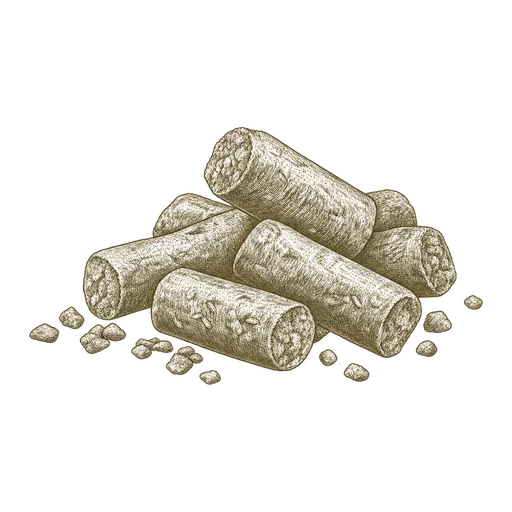
Explore ingredientAlfalfa pellets are ground, compressed forage used in livestock feeding and compound feeds. Compare the drying process, alfalfa material, forage analysis and pellet characteristics to choose a form that fits your ration and receiving setup.
Explore ingredientBeet pulp pellets are a dried, compacted sugar beet co-product used as a fibrous, energy-bearing ingredient in livestock feed. Compare molasses status, lot analysis and pellet handling needs to match the product to your ration and receiving setup.
Explore ingredient