Grains
Alfalfa
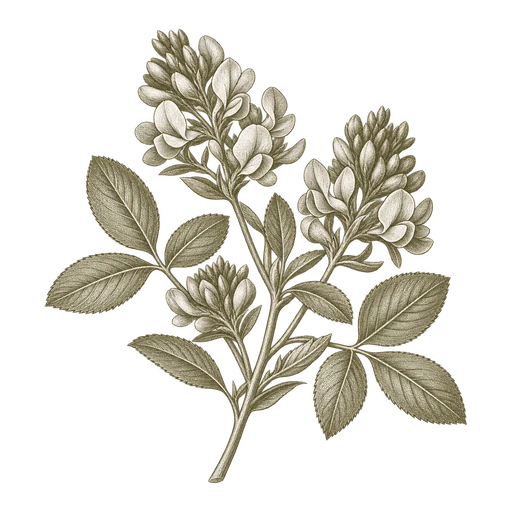
Alfalfa is a forage legume sourced as hay, silage, meal or pellets for livestock feed. Match the form to receiving and ration needs, then compare a lot-specific analysis on a consistent basis.
Explore ingredientCompare whole kernels, cracked corn and ground corn by particle size and feed-preparation role, then match the form to your ration and handling system.
Whole, cracked and ground corn differ mainly in how much the kernel has been reduced in size. Whole corn retains the intact kernel; cracking breaks it into larger pieces; grinding reduces it to smaller particles. That physical difference affects how the grain moves through equipment, how it mixes with other ingredients and how it is presented in a ration.
The right form depends on the animal feeding system and the equipment that prepares and delivers the feed. A form that works well in one operation may not suit another: consider whether corn is fed as grain, blended into a mixed ration, or used in a manufactured feed. Discuss the choice with the nutritionist responsible for the ration rather than assuming finer processing is automatically better.
Whole corn is the intact grain kernel, with no cracking or grinding. It avoids a separate size-reduction step at the point of use, which can matter where the feed system is designed to handle whole grain. Its shape and size remain distinct from other ration ingredients, so consider how the kernels will be distributed and whether the feeding method is intended for that form.
Whole kernels are not interchangeable with processed corn simply because both are corn. The animal, ration design and feeding method influence whether intact kernels fit the program. Ask the nutritionist whether whole grain is appropriate for the specific livestock class and ration, and whether the feeding system can deliver it as intended.
Cracking breaks kernels into pieces without reducing them as finely as ground corn. This intermediate form changes the particle size while retaining visible grain fragments. It may suit feed preparation that calls for broken kernels rather than intact grain or a fine meal, but the term alone does not define a precise particle-size distribution.
For a bulk purchase, ask how the supplier describes the cracking process and what the delivered material looks like. The proportion of larger pieces and smaller fines affects handling and how consistently the grain can be incorporated into a ration. If a mixer or conveying system has particular requirements, compare a representative description or sample with those requirements before deciding.
Grinding reduces corn kernels to smaller particles and increases the exposed surface area compared with whole kernels. The actual result depends on the grinding method and settings, so “ground corn” does not specify a single, uniform particle size. Ask for the particle-size information relevant to your process when consistency in mixing or feed texture matters.
Finer material can behave differently from intact or cracked grain in conveying and mixing. It can also change how much dust or fines a handling system encounters. These practical effects make particle size an equipment and formulation question, not just a preference for finer processing. Do not assume a particular change in starch availability or animal performance from the word “ground” alone.
Corn processing can affect starch availability, but the outcome depends on the processing method and the feeding system. Particle size is one relevant distinction; it does not, by itself, establish a nutritional result. Species, ration composition and management also matter, so processing guidance should come from the nutritionist responsible for the animals and feed program.
Before settling on a form, ask: What form and particle-size characteristics does the ration call for? Can the facility receive, convey and mix it without creating handling or consistency problems? Does the nutritionist have application-specific guidance for this livestock class and feeding system? These questions help turn a general preference into a workable purchase specification.
Once the required form is clear, use the Bulk Ag Exchange [corn ingredient page](/ingredients/corn) to continue sourcing discussions. For a useful quote, specify whole, cracked or ground corn, the quantity and unit, destination, receiving method, and any relevant particle-size or quality requirements. Packaging and commercial terms depend on the particular offer.
No. Cracked corn consists of broken kernels that remain in larger pieces, while ground corn is reduced to smaller particles. The exact particle distribution depends on processing, so the product name alone may not define what a mill or feed system will receive.
Processing effects on starch availability depend on the method and feeding system. Particle size alone does not establish a nutritional outcome; ask the nutritionist responsible for the ration to assess the appropriate form for the animals and management system.
State whether you need whole, cracked or ground corn, and provide the quantity and unit, destination, receiving method and any relevant particle-size or quality requirements. These details help match the product form to the feed-preparation equipment and ration.
Focused guides to the specification, application, and delivery questions behind this ingredient.
Plan a bulk corn order around the form your facility can receive, the shipment’s lot condition and the time the grain will remain in storage. Clear details on quantity, destination, timing and unloading help align the order with your operation.
Read this InsightCompare corn grain lots more clearly by aligning moisture and nutrient measurement bases, reviewing physical condition separately from laboratory results, and interpreting mycotoxin tests against the intended use.
Read this InsightAlfalfa is a forage legume sourced as hay, silage, meal or pellets for livestock feed. Match the form to receiving and ration needs, then compare a lot-specific analysis on a consistent basis.
Explore ingredientAlfalfa meal is ground forage used in animal feed, with sun-cured and dehydrated processing routes and meal or pellet forms. Compare the offered process, physical form and analysis against the needs of the species and feed formulation.
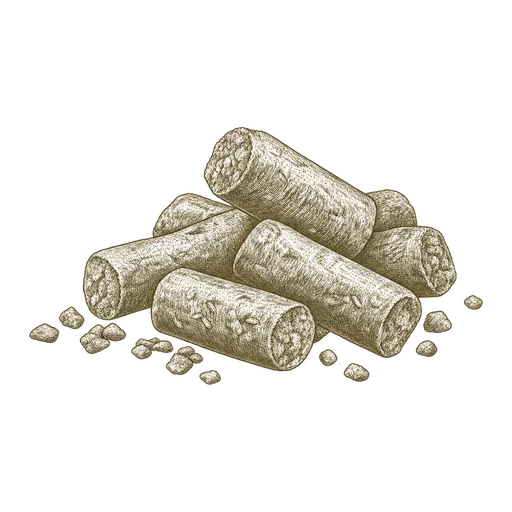
Explore ingredientAlfalfa pellets are ground, compressed forage used in livestock feeding and compound feeds. Compare the drying process, alfalfa material, forage analysis and pellet characteristics to choose a form that fits your ration and receiving setup.
Explore ingredientBeet pulp pellets are a dried, compacted sugar beet co-product used as a fibrous, energy-bearing ingredient in livestock feed. Compare molasses status, lot analysis and pellet handling needs to match the product to your ration and receiving setup.
Explore ingredient