Grains
Alfalfa
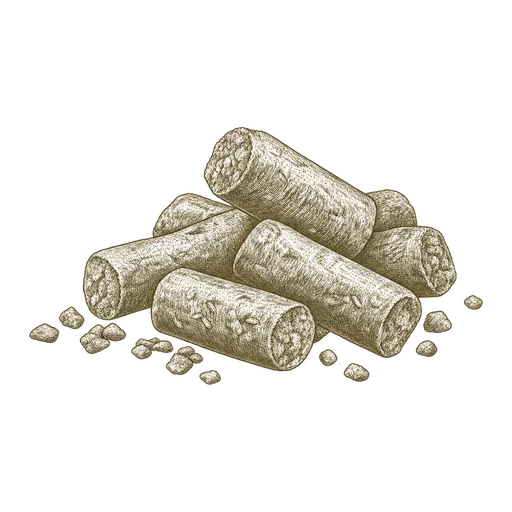
Alfalfa is a forage legume sourced as hay, silage, meal or pellets for livestock feed. Match the form to receiving and ration needs, then compare a lot-specific analysis on a consistent basis.
Explore ingredientBefore arranging whey permeate delivery, match the offered form and packaging to your receiving equipment, storage capacity and site schedule. Confirm handling guidance and shipment documents for the specific product before dispatch.
Before arranging whey permeate delivery, establish which form is being offered, how it will be packaged, and whether your site can receive and store it as delivered. Whey permeate is a dairy-derived ingredient; its composition and handling depend on how it has been processed. Do not assume that a particular format, package or transport arrangement is available. Have the supplier specify the offered form and make sure the carrier and receiving team are working from the same description.
For a powder, consider whether your facility is set up for the proposed packaged or bulk handling method. If the offered product is liquid, receiving equipment, transfer connections and any temperature or handling instructions become central. These are different receiving plans, so settle the product form before comparing freight arrangements.
Packaging is not just a freight choice: it determines how the ingredient moves from delivery into your storage system. Compare the proposed package and discharge method with available labor, lifting equipment, transfer connections and storage capacity. Confirm that the receiving area can accommodate the delivery arrangement and that the ingredient can be moved into the intended storage location without an unplanned repack or transfer.
For bulk receiving, coordinate connection points, unloading procedures and site access with the supplier or carrier before dispatch. For packaged product, establish how packages will be unloaded, staged and protected after arrival. Ask who is responsible for providing any transfer equipment or packaging materials; do not treat them as included unless the commercial offer says so.
Give the supplier the destination, requested quantity and unit, preferred delivery window, and any receiving-hour or site-access constraints. The carrier and receiving team also need clear instructions about where to arrive, who can authorize unloading, and what equipment or connections are required. A workable delivery plan depends on the actual load format and site conditions, not simply the product name.
Agree on how a delay, rejected load or receiving-site change will be handled before the shipment is moving. This is especially important when deliveries must fit a production schedule or limited storage capacity. Confirm the applicable appointment process, contact details and commercial responsibility with the parties arranging the shipment rather than assuming standard terms.
Set storage instructions from the product-specific supplier guidance, not from a generic dairy-ingredient assumption. For whey permeate powder, prevent exposure to moisture and protect the product from contamination; moisture can interfere with powder handling and storage. Keep packages closed when not in use and use clean, dry handling equipment. If a liquid form is offered, obtain its specific storage and handling instructions before committing storage capacity.
Ask the supplier for the recommended storage conditions and shelf-life guidance for the exact product and packaging. Build inventory rotation around the product’s stated date information and your expected rate of use. Do not invent a storage limit or shelf life where the product documentation does not provide one.
Before dispatch, agree which product and shipment records will accompany the delivery and how they will reach the receiving team. Depending on the purchase and destination, relevant items may include the product specification, lot identification and lot analysis, along with any agreed food-safety, allergen or regulatory documents. Requirements vary by application and destination, so define the required records with the supplier and receiving organization.
Check that the product name, form, lot references and quantity information are consistent across the agreed paperwork and delivery details. This helps staff identify the shipment, compare it with purchasing records and route it to the correct storage location. For sourcing discussions, the Whey Permeate page is a natural next step once your site’s receiving method, destination and storage needs are clear.
Confirm the offered form, quantity and unit, packaging or unloading method, delivery destination and timing, site access and receiving requirements, storage instructions, and the documents expected with the shipment.
Follow the supplier’s instructions for the specific form and package. Keep powder protected from moisture and contamination, and obtain product-specific storage and shelf-life guidance rather than assuming a generic limit.
The offered product form, quantity, packaging, destination and delivery arrangement can affect the delivered quote. Share your receiving constraints and timing when requesting terms; freight and commercial details depend on the specific offer.
Focused guides to the specification, application, and delivery questions behind this ingredient.
Whey permeate can contribute lactose and minerals to a swine ration, but its role depends on pig stage, product analysis, form, and the rest of the formula. See the formulation questions buyers and nutritionists should resolve before sourcing.
Read this InsightCompare whey permeate by its reporting basis, analytical methods and intended grade—not by headline values alone. Learn how lactose, ash, moisture, protein and powder characteristics inform a specification review.
Read this InsightAlfalfa is a forage legume sourced as hay, silage, meal or pellets for livestock feed. Match the form to receiving and ration needs, then compare a lot-specific analysis on a consistent basis.
Explore ingredientAlfalfa meal is ground forage used in animal feed, with sun-cured and dehydrated processing routes and meal or pellet forms. Compare the offered process, physical form and analysis against the needs of the species and feed formulation.
Explore ingredientAlfalfa pellets are ground, compressed forage used in livestock feeding and compound feeds. Compare the drying process, alfalfa material, forage analysis and pellet characteristics to choose a form that fits your ration and receiving setup.
Explore ingredientAlmond hulls are the dried outer layer of the almond fruit, sourced for ruminant feed as hull-only material or as a hull-and-shell mixture. Compare the lot’s composition, physical form, and handling needs before arranging a bulk shipment.
Explore ingredient