Grains
Alfalfa
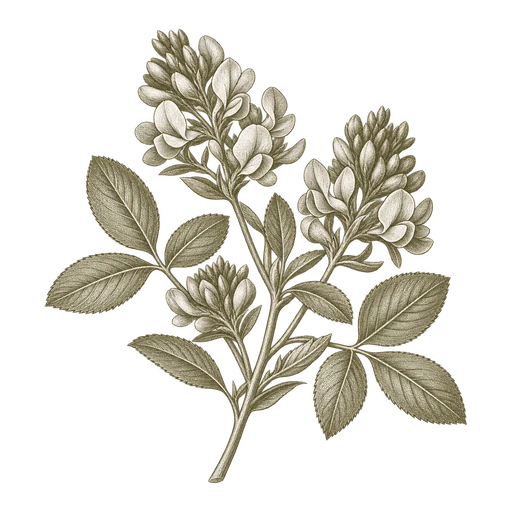
Alfalfa is a forage legume sourced as hay, silage, meal or pellets for livestock feed. Match the form to receiving and ration needs, then compare a lot-specific analysis on a consistent basis.
Explore ingredientCompare whey permeate by its reporting basis, analytical methods and intended grade—not by headline values alone. Learn how lactose, ash, moisture, protein and powder characteristics inform a specification review.
A useful whey permeate specification tells you what product is being described, which characteristics are measured, how results are expressed and whether values are typical or acceptance limits. Before comparing numbers, check that the documents refer to the same product form and intended grade. A powder specification should not be treated as interchangeable with one for a liquid product, and a food-use requirement may differ from a feed-use requirement.
Read the units and reporting basis alongside every result. A value reported on an as-is basis includes the product’s moisture; a dry-matter value excludes it. Those figures can look different even when they describe the same material. Likewise, a range, a maximum limit and a typical result answer different questions: a typical result describes an expectation, while a limit defines a condition for acceptance. Ask which one each line represents.
Whey permeate is the lactose- and mineral-containing fraction remaining after whey proteins are separated during processing. Lactose is often a central comparison point because it describes the main carbohydrate component. Check whether lactose is measured directly or inferred, and note the method, units and reporting basis. A carbohydrate figure calculated by difference is not necessarily the same measurement as a lactose result.
Ash is the residue measured after organic material is removed during analysis. It is useful as an overall indicator of mineral content, but it does not identify individual minerals or their proportions. If a formulation depends on particular minerals, request the specific mineral results and their methods rather than treating ash as a complete mineral profile.
Protein is another distinct measure, not a substitute for lactose or ash. Compare the reported value on the same basis and review how the supplier defines or measures it. The exact composition can depend on processing and product grade, so no single lactose, ash or protein threshold applies to every buyer or use.
Moisture changes the concentration of the dry components when results are reported as received, which is why it should be read together with lactose, ash and protein. It also matters to storage and powder flow: moisture exposure can contribute to caking in lactose-containing powders. Compare the specification limit with your receiving and storage conditions rather than treating moisture as an isolated number.
For a powder that must feed consistently into a mixer or production line, look for relevant physical measures such as particle size distribution or bulk density when those properties matter to the process. Particle size can affect blending and segregation; bulk density affects how much powder occupies a given volume. A description such as “fine” or “free-flowing” is less useful than a defined measure with a method and test conditions. These characteristics may not appear on every specification, so identify the ones your equipment or dosing system depends on.
The product specification establishes the expected characteristics; a certificate of analysis (COA) can show results for a particular lot. When comparing a COA, check its lot identification, date, reported units, methods and whether results are stated as typical values or tested results. If a critical parameter is missing, ask whether it is tested routinely or can be reported for the lots being considered.
Supporting documents should address the risks and traceability needs of the intended use. Buyers may need a product identity statement, lot traceability information, an allergen statement for this milk-derived ingredient, or microbiological and contaminant results under their own acceptance program. Ask which documents are available and whether they apply to the specific product and lot; do not assume that a general specification establishes a certification or a particular safety status.
Create a side-by-side comparison using only like-for-like values: same product form, grade, units, moisture basis, analytical methods and type of result. Mark each required limit separately from a preferred target, and identify any missing measurement that could change formulation, dosing or receiving decisions. This prevents an attractive headline lactose value from obscuring differences in moisture, mineral content or powder behavior.
Once those requirements are defined, use the [Whey Permeate ingredient page](/ingredients/whey-permeate) to continue comparing sourcing options. For a quote, provide the intended use, required form, quantity and destination, along with the specification limits and documents that matter to your process. Available analyses and commercial terms depend on the particular offer.
Ash is a measure of total inorganic residue and can serve as an overall indicator of mineral content. It does not show the amount of each individual mineral; request specific mineral analyses when those values matter to your formulation.
Moisture affects how concentrated the dry components appear. Compare values reported on the same basis, such as as-is or dry matter, or the numbers may not be directly comparable.
A specification describes expected product characteristics, while a lot-specific COA reports results for an identified lot. Depending on the intended use, buyers may also need traceability, allergen, microbiological or contaminant information. Confirm which documents are available for the specific product and lot.
Focused guides to the specification, application, and delivery questions behind this ingredient.
Before arranging whey permeate delivery, match the offered form and packaging to your receiving equipment, storage capacity and site schedule. Confirm handling guidance and shipment documents for the specific product before dispatch.
Read this InsightWhey permeate can contribute lactose and minerals to a swine ration, but its role depends on pig stage, product analysis, form, and the rest of the formula. See the formulation questions buyers and nutritionists should resolve before sourcing.
Read this InsightAlfalfa is a forage legume sourced as hay, silage, meal or pellets for livestock feed. Match the form to receiving and ration needs, then compare a lot-specific analysis on a consistent basis.
Explore ingredientAlfalfa meal is ground forage used in animal feed, with sun-cured and dehydrated processing routes and meal or pellet forms. Compare the offered process, physical form and analysis against the needs of the species and feed formulation.
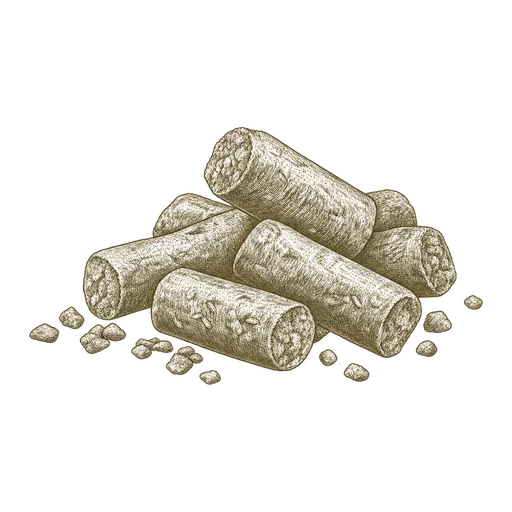
Explore ingredientAlfalfa pellets are ground, compressed forage used in livestock feeding and compound feeds. Compare the drying process, alfalfa material, forage analysis and pellet characteristics to choose a form that fits your ration and receiving setup.
Explore ingredientAlmond hulls are the dried outer layer of the almond fruit, sourced for ruminant feed as hull-only material or as a hull-and-shell mixture. Compare the lot’s composition, physical form, and handling needs before arranging a bulk shipment.
Explore ingredient