Grains
Alfalfa
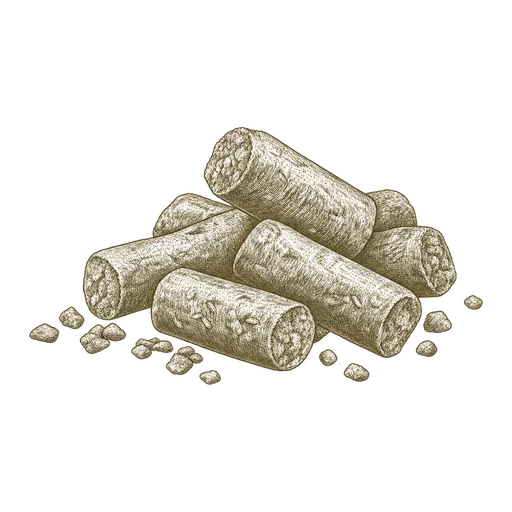
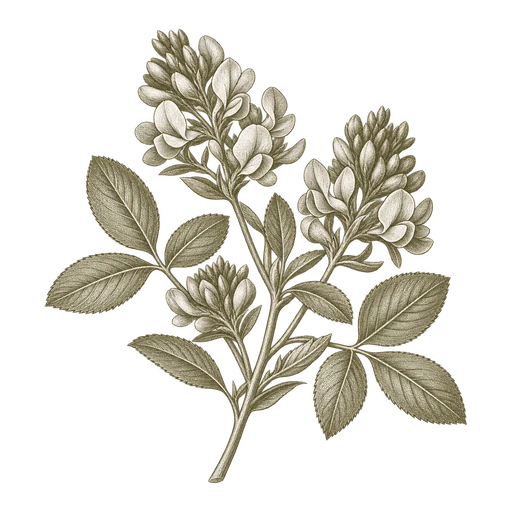
Alfalfa is a forage legume sourced as hay, silage, meal or pellets for livestock feed. Match the form to receiving and ration needs, then compare a lot-specific analysis on a consistent basis.
Explore ingredientWhey permeate can contribute lactose and minerals to a swine ration, but its role depends on pig stage, product analysis, form, and the rest of the formula. See the formulation questions buyers and nutritionists should resolve before sourcing.
Before considering whey permeate, define which pigs the ration is for: newly weaned pigs, later nursery pigs, or another production stage. Their diets have different formulation goals, and an ingredient that fits one stage should not automatically be carried into another. Share the intended stage, the current ration, and the reason for considering a change with the swine nutritionist.
Whey permeate is a dairy co-product made when whey proteins are separated from whey. Its remaining solids are largely lactose and minerals, rather than the concentrated whey protein found in some other dairy ingredients. In swine formulas, it is considered principally as a lactose-bearing ingredient. Its contribution has to be evaluated as part of the complete ration, not as a stand-alone substitute for another ingredient.
Ask for the product’s current analysis and identify the values the nutritionist needs to formulate the diet. Lactose is central to assessing its carbohydrate contribution; moisture, ash or mineral information, protein, and fat can also help distinguish one offer from another. Because whey permeate retains minerals from the whey-processing stream, its mineral contribution matters when balancing the complete formula.
Do not assume that all products sold as whey permeate have identical composition. Processing and the source material can affect the resulting product, so a name alone cannot establish its nutrient value. The analysis should also make clear whether reported values are on an as-fed or dry-matter basis. Comparing values on different bases can lead to an inaccurate view of how much each ingredient contributes.
A nutritionist can use the analysis to reconsider energy, lactose, protein, and mineral contributions alongside the rest of the formula. This is especially important when the ration already contains other ingredients that contribute similar nutrients. The right question is not simply whether whey permeate contains lactose, but how its verified composition changes the balance of the finished diet.
Whey permeate may be offered in dried or liquid form. A dried powder is handled as a solid ingredient and must be incorporated into the feed process accordingly. A liquid product introduces different requirements for storage, movement, metering, and mixing. Confirm the offered form before evaluating either the formulation or the receiving arrangement; do not assume a supplier can provide a particular form.
Ask how the product was processed and whether the analysis describes the same form being quoted. Processing affects moisture and physical handling, while a change between liquid and dried material also changes how the ingredient is weighed and introduced into a ration. If the feed mill uses a specific mixing or manufacturing process, the nutritionist and plant team should assess whether the product can be incorporated consistently.
Taste can matter when formulating diets for young pigs, but an ingredient’s reputation for palatability does not guarantee the same response in every ration or feeding situation. The amount and combination of other ingredients, the feed’s physical form, and the pigs’ stage all shape the practical result. Treat palatability as one consideration in the diet assessment, not as a reason to set an inclusion rate without a full formulation review.
When investigating a diet change, clarify what outcome the operation wants to address and how it will judge the result. Discuss the full formula and the feeding context with the nutritionist, and separate established ingredient composition from claims about expected performance. A supplier’s product analysis can inform formulation; it does not by itself establish a suitable rate or a particular animal response.
For a useful assessment, provide the nutritionist with the pig stage, ration context, intended product form, and available product analysis. Ask which nutrient values are necessary for the formulation, how the ingredient changes the existing balance, and whether the feed mill can handle the form offered. Ask the supplier for the analysis corresponding to the specific product under consideration and clarify the basis on which values are reported.
Any proposed inclusion level should come from the nutritionist’s formulation for the specific pigs and ration—not from a general online recommendation. Feed regulations and labeling requirements can also depend on the market and intended use, so verify applicable local requirements with the responsible feed professional or authority before purchase.
Once the formulation has been assessed, review the [Whey Permeate ingredient page](/ingredients/whey-permeate) to explore sourcing options. For a quote, specify the required form, quantity and unit, destination, timing, receiving method, and relevant analysis requirements. Availability and commercial terms depend on the specific offer.
Whey permeate is a lactose-bearing dairy ingredient, so a nutritionist may evaluate it for its carbohydrate contribution, particularly in diets where lactose is part of the formulation strategy. Its mineral content and the composition of the complete ration also matter. The ingredient name alone does not determine a suitable inclusion level.
No single ingredient should be assumed to fit every production stage in the same way. Define the pigs’ stage and the diet’s purpose, then have a swine nutritionist assess the product analysis and full ration. Do not carry a rate from one stage or formula into another without that review.
Ask for the current analysis relevant to the offered product, including lactose, moisture, mineral or ash information, and any other values the nutritionist needs. Check whether results are stated on an as-fed or dry-matter basis so they can be compared consistently. Processing and product form can affect which information is relevant.
Focused guides to the specification, application, and delivery questions behind this ingredient.
Before arranging whey permeate delivery, match the offered form and packaging to your receiving equipment, storage capacity and site schedule. Confirm handling guidance and shipment documents for the specific product before dispatch.
Read this InsightCompare whey permeate by its reporting basis, analytical methods and intended grade—not by headline values alone. Learn how lactose, ash, moisture, protein and powder characteristics inform a specification review.
Read this InsightAlfalfa is a forage legume sourced as hay, silage, meal or pellets for livestock feed. Match the form to receiving and ration needs, then compare a lot-specific analysis on a consistent basis.
Explore ingredientAlfalfa meal is ground forage used in animal feed, with sun-cured and dehydrated processing routes and meal or pellet forms. Compare the offered process, physical form and analysis against the needs of the species and feed formulation.
Explore ingredientAlfalfa pellets are ground, compressed forage used in livestock feeding and compound feeds. Compare the drying process, alfalfa material, forage analysis and pellet characteristics to choose a form that fits your ration and receiving setup.
Explore ingredientAlmond hulls are the dried outer layer of the almond fruit, sourced for ruminant feed as hull-only material or as a hull-and-shell mixture. Compare the lot’s composition, physical form, and handling needs before arranging a bulk shipment.
Explore ingredient