Grains
Alfalfa
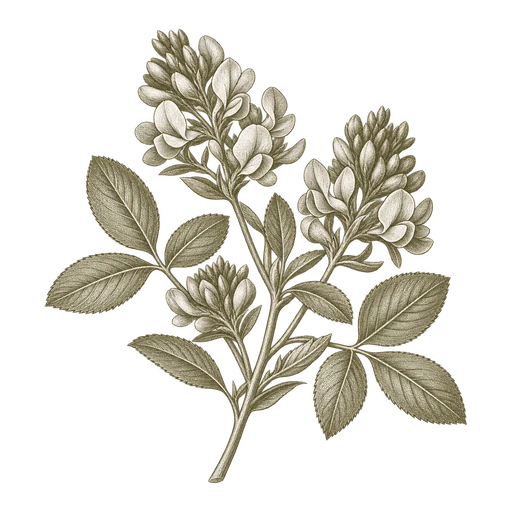
Alfalfa is a forage legume sourced as hay, silage, meal or pellets for livestock feed. Match the form to receiving and ration needs, then compare a lot-specific analysis on a consistent basis.
Explore ingredientA wheat bran analysis is only comparable when product identity, analytical basis and test methods align. Learn how to assess moisture, protein, fiber, particle size, energy and phosphorus for a feed decision.
A wheat bran analysis is useful only if it describes the material you intend to buy. Wheat bran is the outer milling fraction separated as wheat is processed into flour. It can contain some attached endosperm, but it is not automatically interchangeable with wheat middlings or blended wheat millfeed.
Middlings generally include finer milling fractions and more endosperm than bran; “millfeed” can refer to a mixture of bran and other wheat milling fractions. Terminology and product definitions can differ among mills and offers, so a name alone may not resolve the distinction. Compare the stated product identity and description with the supplier’s specification, and ask whether the offer is straight bran or a blend. Particle size can provide context, but it cannot establish composition by itself.
When arranging a bulk wheat bran purchase, use the product name and analysis together. The wheat bran sourcing page is a natural starting point for matching the ingredient to your application and discussing a lot-specific offer.
Moisture affects how much dry matter a delivered quantity represents and is relevant to storage planning. Compare moisture results from the same lot or specification, and note whether nutrient values are reported as received (as-fed) or on a dry-matter basis. As-fed values include the water present in the sample; dry-matter values remove that dilution. Comparing one basis with the other can make otherwise similar analyses appear different.
Crude protein is an estimate derived from measured nitrogen, not a direct measure of usable protein for every animal. It helps characterize a lot, but should be interpreted alongside the rest of the ration and the species-specific formulation method.
Fiber needs similar care. Crude fiber and detergent-fiber measures such as NDF are different analytical measures, not alternate labels for the same result. If fiber affects the formulation, identify which measure is required and compare like with like. A protein or fiber figure without its reporting basis and method is less useful for evaluating differences between offers.
Wheat bran may be supplied in different degrees of fineness. A particle-size description or screen analysis can help a feed buyer anticipate how the material will move through conveying, storage and mixing equipment, and whether its texture fits the intended process. It can also help distinguish a coarse-looking product from a finer milling fraction.
Particle size is not a substitute for product identity or chemical analysis. If consistency matters, look for a defined test method and a stated distribution or screen result rather than relying on a visual description such as “fine.” Confirm that the measurement refers to the lot being offered and that it is relevant to your equipment or formulation.
Energy values are not universal properties that can be transferred unchanged among animal species. The reported value may depend on the species, the energy system used and whether it is measured or calculated. For feed formulation, compare only values that use a method appropriate to the species and can be interpreted consistently with the rest of the ration. If a supplier provides an energy figure without naming its basis, it is difficult to make a sound comparison.
Phosphorus also needs more than a single headline number. Total phosphorus describes the amount present; it does not by itself establish how much is available or digestible to a particular animal. In plant ingredients such as wheat bran, some phosphorus is associated with phytate, and utilization differs by species and diet. For a formulation decision, distinguish total phosphorus from any available or digestible value, and establish the method or system behind that value.
A practical comparison begins with the same identity, analytical basis and test definitions across offers. Review moisture, protein and the fiber measure your formulation uses; add particle size when handling or mixing depends on it. For energy and phosphorus, require species-relevant interpretation rather than assuming unlike figures are comparable.
Ask for the current analysis tied to the offered lot, not a generic reference table presented as a guarantee. Record whether results are as-fed or dry matter and whether values are measured, calculated or otherwise defined where that distinction matters. A concise, aligned comparison makes it easier to see whether differences reflect the wheat bran itself, the reporting method or a different milling fraction.
Check the product definition and whether the offer is straight bran or a blend. Middlings generally contain finer fractions and more endosperm, while millfeed may combine bran with other milling fractions. Particle size can inform the comparison but does not prove identity.
As-fed values include moisture, while dry-matter values exclude it. Compare results on the same basis; otherwise, moisture alone can make nutrient concentrations look different.
Not without checking the basis. Energy depends on the species and energy system, and total phosphorus is not equivalent to available or digestible phosphorus. Compare values using the method relevant to the animal and formulation.
Focused guides to the specification, application, and delivery questions behind this ingredient.
Plan bulk wheat bran receiving before the order is booked: match flakes or meal to your equipment, define quantity and delivery details, and prepare dry, protected storage.
Read this InsightWheat bran contributes fiber, energy and phosphorus to swine rations, but its formulation value depends on the offered lot’s analysis and how the nutritionist accounts for energy and phosphorus availability.
Read this InsightAlfalfa is a forage legume sourced as hay, silage, meal or pellets for livestock feed. Match the form to receiving and ration needs, then compare a lot-specific analysis on a consistent basis.
Explore ingredientAlfalfa meal is ground forage used in animal feed, with sun-cured and dehydrated processing routes and meal or pellet forms. Compare the offered process, physical form and analysis against the needs of the species and feed formulation.
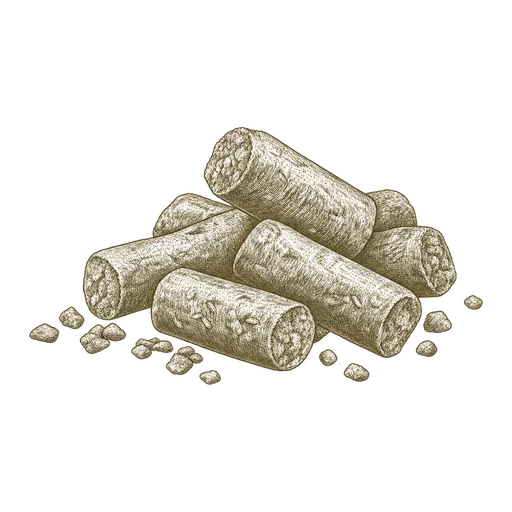
Explore ingredientAlfalfa pellets are ground, compressed forage used in livestock feeding and compound feeds. Compare the drying process, alfalfa material, forage analysis and pellet characteristics to choose a form that fits your ration and receiving setup.
Explore ingredientAlmond hulls are the dried outer layer of the almond fruit, sourced for ruminant feed as hull-only material or as a hull-and-shell mixture. Compare the lot’s composition, physical form, and handling needs before arranging a bulk shipment.
Explore ingredient