Dietary fiber is a broad category rather than one standardized bulk ingredient. This collection brings together Kiwi, Pea Hull Fiber and Wheat Bran, which differ in source and ingredient identity. Pea Hull Fiber comes from pea seed coats; Wheat Bran is a wheat-milling fraction; and the name Kiwi alone does not identify whether the product is fruit, powder, a by-product or extracted fiber. Buyers should compare the exact offered form and specification, not assume that category membership means a.
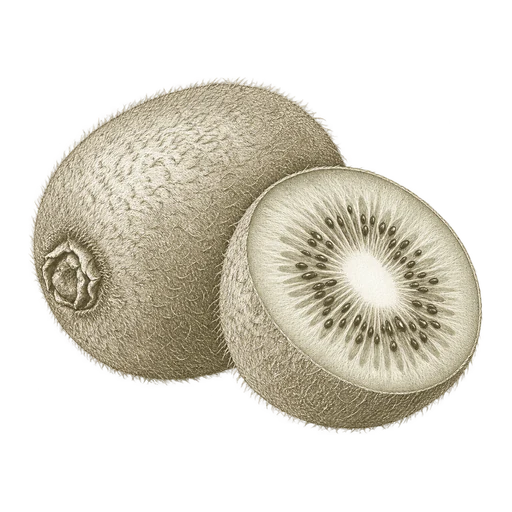
Bulk kiwi can mean whole fruit, puree, dried fruit, peel, pomace, or extracted fiber. Specify the form and processing history, then compare analysis on a consistent basis and match receiving and storage plans to the product.
Pea hull fiber is milled field-pea seed coat used in food formulations and animal feed. Compare hull identity, fiber analysis basis, particle size and intended grade to choose material that fits the formulation and receiving setup.
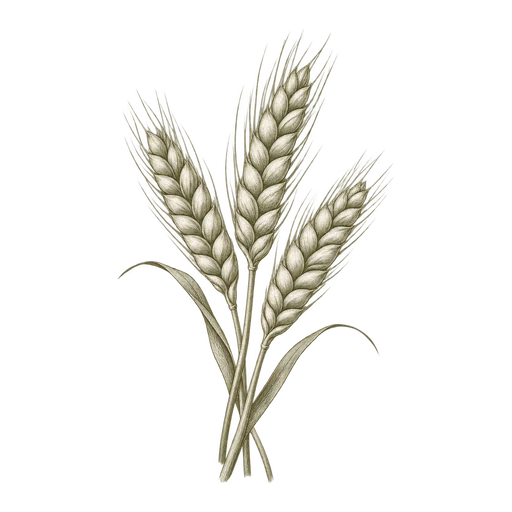
Wheat bran is the coarse outer layer separated during flour milling, used in livestock feed and as a fiber-containing food ingredient. Compare bran identity, flakes or meal, particle size and the analysis needed for your application.
Different plant sources, different ingredient identities
Dietary fiber is a broad grouping, not a uniform ingredient specification. Pea Hull Fiber comes from pea seed coats, while Wheat Bran is the outer covering separated during wheat milling. Wheat bran is not the same as wheat middlings, which can include other milling fractions.
The listing name Kiwi needs clarification before comparison: it does not specify whether the product is whole fruit, dried fruit, powder, a by-product or an extracted fiber. These materials should not be treated as equivalent based on the category label alone.
Form and processing affect formulation
Particle size, processing and soluble and insoluble fiber fractions can influence how a material behaves in a formula. A fiber percentage alone does not establish comparable hydration, texture or bulking performance across different sources and grades.
Use context matters too. Wheat bran has feed uses, but that does not establish suitability or feeding levels for every animal or ration. Human-food labeling and formulation considerations likewise do not establish feed or pet-food suitability.
Compare specifications on the same basis
For a meaningful comparison, confirm the exact source and fraction, product form, moisture, particle-size distribution and fiber analysis. Check the analytical method and whether results are reported as-is or on a dry-matter basis; figures using different methods or bases may not be directly comparable.
For a specific purchase, review the current lot specification and documentation for the intended use. Confirm that the offered product matches the formulation requirement, rather than assuming that all ingredients grouped as dietary fiber will perform alike.
Common questions.
Are Kiwi, Pea Hull Fiber and Wheat Bran interchangeable?+
No. They come from different plant sources, and the exact product form and processing can affect composition and performance.
What does the name Kiwi tell me about the product?+
Not enough to identify its form. Confirm whether it is whole or dried fruit, powder, a by-product or an extracted fiber ingredient.
Is fiber percentage enough to compare products?+
No. Confirm the ingredient identity, analytical method, moisture basis and relevant fiber fractions before comparing figures.
Does food-use information establish suitability for animal feed?+
No. Confirm suitability for the exact ingredient form and intended animal; food-use information does not establish feed performance or feeding levels.
Dietary fiber · BUYER INSIGHTS
Go deeper before you source.
Focused guides to the specification, application, and delivery questions behind this ingredient.