Grains
Alfalfa
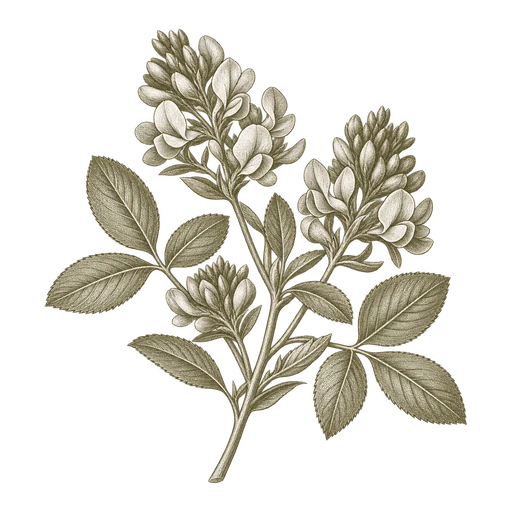
Alfalfa is a forage legume sourced as hay, silage, meal or pellets for livestock feed. Match the form to receiving and ration needs, then compare a lot-specific analysis on a consistent basis.
Explore ingredientWheat bran contributes fiber, energy and phosphorus to swine rations, but its formulation value depends on the offered lot’s analysis and how the nutritionist accounts for energy and phosphorus availability.
Wheat bran is a wheat-milling co-product made largely from the grain’s outer layers. In swine feed, it contributes fiber as well as nutrients, so its role is not captured by treating it as a simple energy ingredient. The amount and characteristics of fiber affect how the ration’s energy contribution should be assessed, while protein and phosphorus also enter the formulation.
The practical question is how a particular bran lot fits the complete diet—not whether wheat bran has one fixed feeding value. Its composition can differ between offers, and the intended pig class and the rest of the ration affect the formulation decision. A swine nutritionist should evaluate the ingredient within the diet’s full nutrient and energy system.
Wheat bran’s fiber is a defining part of its feed profile. More fiber in a ration affects how its energy contribution is estimated and balanced against other ingredients. That makes a current product analysis important: a formulation based on a generic ingredient-table value may not represent the lot being purchased.
When reviewing energy, use the energy measure and calculation system appropriate to the formulation, and compare values on the same basis. As-fed figures include the product’s moisture; dry-matter figures do not. Mixing the two bases can make ingredient comparisons misleading. Ask the nutritionist which energy measure is being used and whether the supplied analysis supports a value for the offered bran.
Wheat bran contains phosphorus, but the total phosphorus value alone does not tell a formulator how much is available to the pig. A substantial portion of phosphorus in cereal ingredients is associated with phytate, which pigs do not use as readily as non-phytate phosphorus. Therefore, a ration should distinguish total phosphorus from the availability or digestibility measure used in the formulation.
Ask which phosphorus values are reported, how the nutritionist accounts for phosphorus availability, and whether the formulation includes phytase or another relevant source of information. Do not assume that total phosphorus can be credited as fully available. The right calculation depends on the analysis and the formulation method, not just the ingredient name.
Before a nutritionist evaluates wheat bran, provide a current analysis for the offered product and establish whether results are reported as-fed or on a dry-matter basis. Useful measures to discuss include moisture, crude protein, fiber, energy and phosphorus. The exact reported measures and methods can vary, so agree on what is needed rather than assuming every offer comes with the same panel.
Then ask how the bran’s fiber and energy affect the intended ration, how phosphorus availability is being credited, and whether the analysis reflects the material to be delivered. Keep the decision specific to the animals and diet being formulated. This article does not prescribe an inclusion rate: a professional formulator should set the amount using the complete ration, product analysis and applicable formulation approach.
Once the nutritionist has defined the needed form and analysis, use those requirements to source wheat bran. Give the broker the desired physical form, quantity and unit, delivery destination, timing, packaging or receiving method, and the quality measures the formulator needs. Ask for the offered product’s current analysis and clarify its reporting basis, especially for moisture, energy and phosphorus.
These details help connect the feed formulation decision to the actual lot and shipment being considered. Commercial terms and product analyses are offer-specific. For bulk sourcing, start with the [Wheat Bran page](/ingredients/wheat-bran), then compare an offer against the nutritionist’s stated requirements.
Total phosphorus does not indicate how much pigs can use. Much of the phosphorus in cereal ingredients is associated with phytate, so the formulation should account for phosphorus availability or digestibility using the method chosen by the nutritionist.
Compare values on the same basis. As-fed values include moisture, while dry-matter values exclude it. Ask which basis applies to the offered analysis and use the basis required by the nutritionist’s formulation system.
A single inclusion rate cannot account for differences in the product analysis, pig class or complete diet. Have a swine nutritionist determine the amount using the current wheat bran analysis and the full ration.
Focused guides to the specification, application, and delivery questions behind this ingredient.
Plan bulk wheat bran receiving before the order is booked: match flakes or meal to your equipment, define quantity and delivery details, and prepare dry, protected storage.
Read this InsightA wheat bran analysis is only comparable when product identity, analytical basis and test methods align. Learn how to assess moisture, protein, fiber, particle size, energy and phosphorus for a feed decision.
Read this InsightAlfalfa is a forage legume sourced as hay, silage, meal or pellets for livestock feed. Match the form to receiving and ration needs, then compare a lot-specific analysis on a consistent basis.
Explore ingredientAlfalfa meal is ground forage used in animal feed, with sun-cured and dehydrated processing routes and meal or pellet forms. Compare the offered process, physical form and analysis against the needs of the species and feed formulation.
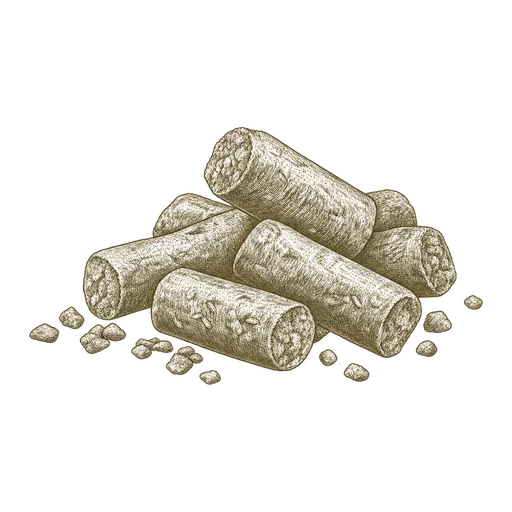
Explore ingredientAlfalfa pellets are ground, compressed forage used in livestock feeding and compound feeds. Compare the drying process, alfalfa material, forage analysis and pellet characteristics to choose a form that fits your ration and receiving setup.
Explore ingredientAlmond hulls are the dried outer layer of the almond fruit, sourced for ruminant feed as hull-only material or as a hull-and-shell mixture. Compare the lot’s composition, physical form, and handling needs before arranging a bulk shipment.
Explore ingredient