Grains
Alfalfa
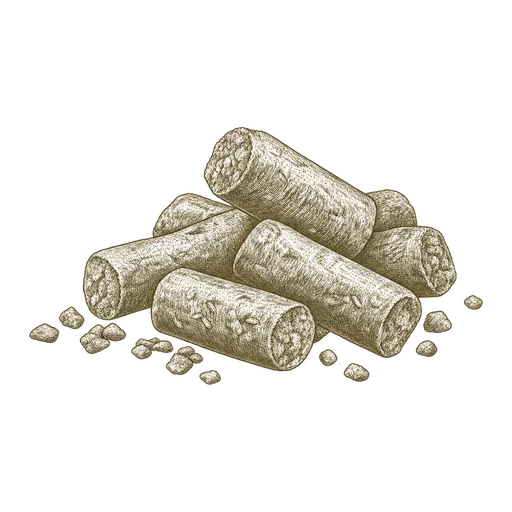
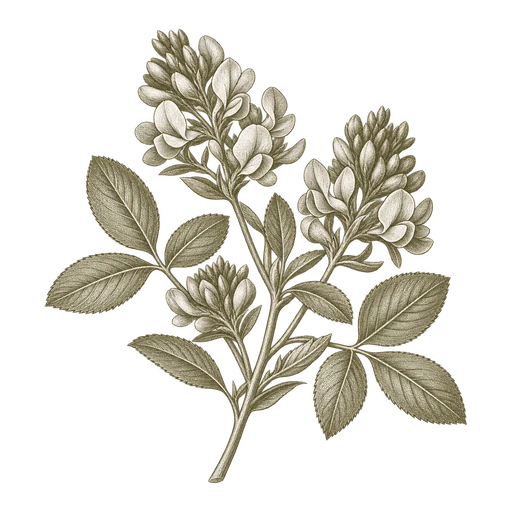
Alfalfa is a forage legume sourced as hay, silage, meal or pellets for livestock feed. Match the form to receiving and ration needs, then compare a lot-specific analysis on a consistent basis.
Explore ingredientPlan bulk wheat bran receiving before the order is booked: match flakes or meal to your equipment, define quantity and delivery details, and prepare dry, protected storage.
Before arranging a bulk wheat bran order, identify whether your process needs flakes or meal. Those forms are not interchangeable for receiving: particle size and flow behavior affect how material moves through unloading equipment, conveyors and storage systems. A site set up for one form may not handle the other as expected.
Ask the supplier to identify the offered form clearly and describe it in the quote or product documentation. If your equipment has limits on particle size, dust, flow or transfer method, explain those before shipment planning. Do not assume that “wheat bran” alone tells you how the material will behave in your facility.
State the order quantity and unit you want quoted, along with the delivery destination and the period when your site can receive it. The quantity unit matters because it gives both parties a clear basis for discussing the amount ordered and the capacity needed for unloading and storage.
Share receiving-hour restrictions, appointment needs and any site access limitations early. A delivery date is useful only if the right people, equipment and empty storage capacity will be available then. For a repeat order, note whether the timing is tied to a production schedule or a planned replenishment point; that helps frame the shipment window without assuming a particular lead time.
Packaging determines how wheat bran reaches your storage area and what your team must do to transfer it. Ask which packaging is actually offered, how it is opened or discharged, and what unloading equipment or labor the receiving plan requires. The quote should make clear whether the proposed arrangement matches your facility rather than leaving that decision until arrival.
Check practical constraints such as access to the unloading location, transfer connections, available labor and the route from receiving to storage. If your site cannot accept a particular package or discharge method, say so before confirming the order. Do not presume that a specific bag, tote, loose-bulk arrangement or transport mode is standard; these details depend on the offer.
Wheat bran is a dry milling co-product, so keep the receiving and storage area dry and protect the material from rain, leaks and damp surfaces. Moisture can cause dry bran to cake and can compromise its condition in storage. A clean, covered space also helps prevent contamination from residues or other materials.
Before the shipment arrives, check that the assigned storage capacity is available and that the space is suitable for the offered form. Flakes and meal can behave differently during transfer, so consider whether the receiving and storage equipment can move the material without creating avoidable blockages or spills. Keep the supplier’s product-specific storage instructions with the receiving paperwork; do not substitute a general assumption for guidance on that lot.
A useful quote request brings the product and the receiving plan together: wheat bran form, quantity and unit, destination, timing, packaging preference or constraint, unloading method, and any quality documentation needed for your use. Include the storage conditions available at the destination if they affect what form or shipment arrangement you can accept.
Before booking, compare the proposed details against the site plan. Confirm the offered form, packaging, unloading compatibility and storage instructions, then make sure the receiving team knows the expected arrival window and handling requirements. For a sourcing request, start with the Wheat Bran page and provide these details so the broker can discuss an offer that can be received and stored appropriately.
Choose the form your handling and production systems can receive and use. Flakes and meal differ physically, so confirm the offered form and check it against your transfer equipment, storage setup and process requirements.
Specify the form, quantity and unit, destination, receiving window, packaging needs or constraints, and unloading method. Mention storage capacity and any documentation requirements that affect whether you can accept the material.
Keep it dry and protected from rain, leaks, damp surfaces and contamination. Follow the storage instructions provided for the offered product rather than assuming a universal storage limit or shelf life.
Focused guides to the specification, application, and delivery questions behind this ingredient.
Wheat bran contributes fiber, energy and phosphorus to swine rations, but its formulation value depends on the offered lot’s analysis and how the nutritionist accounts for energy and phosphorus availability.
Read this InsightA wheat bran analysis is only comparable when product identity, analytical basis and test methods align. Learn how to assess moisture, protein, fiber, particle size, energy and phosphorus for a feed decision.
Read this InsightAlfalfa is a forage legume sourced as hay, silage, meal or pellets for livestock feed. Match the form to receiving and ration needs, then compare a lot-specific analysis on a consistent basis.
Explore ingredientAlfalfa meal is ground forage used in animal feed, with sun-cured and dehydrated processing routes and meal or pellet forms. Compare the offered process, physical form and analysis against the needs of the species and feed formulation.
Explore ingredientAlfalfa pellets are ground, compressed forage used in livestock feeding and compound feeds. Compare the drying process, alfalfa material, forage analysis and pellet characteristics to choose a form that fits your ration and receiving setup.
Explore ingredientAlmond hulls are the dried outer layer of the almond fruit, sourced for ruminant feed as hull-only material or as a hull-and-shell mixture. Compare the lot’s composition, physical form, and handling needs before arranging a bulk shipment.
Explore ingredient